
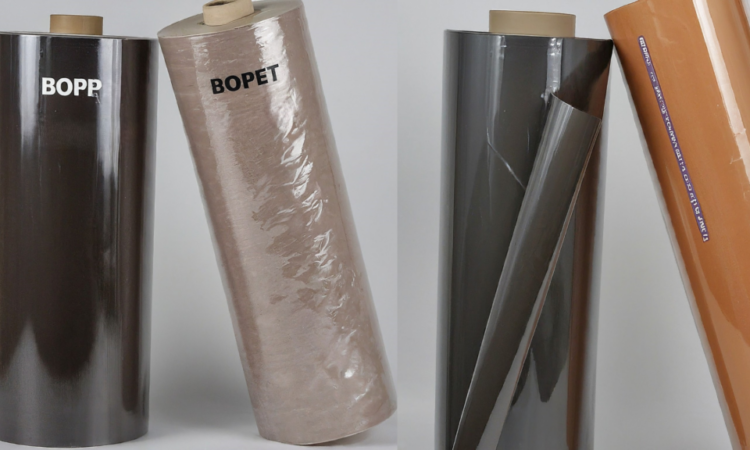
Biaxially Oriented Polypropylene (BOPP) film is one of the most widely used materials in flexible packaging due to its strength, clarity, and versatility. It is commonly found in food packaging, labeling, lamination, and industrial applications where durability and visual appeal are equally important. As global packaging demands increase, understanding film types and technical specifications has become essential for businesses relying on this material.
In this growing market, BOPP film manufacturers are responsible for developing high-performance films that meet strict industrial standards. They use advanced extrusion and orientation technologies to produce films with precise mechanical and optical properties. Their expertise ensures consistency in thickness, transparency, and barrier performance, which are critical for modern packaging applications.
Types of BOPP Films Used in Packaging
BOPP films are available in several types, each designed for specific applications and performance requirements. The classification is generally based on surface treatment, functionality, and end-use.
1. Plain BOPP Film
Plain BOPP film is widely used for general packaging applications. It offers excellent clarity and gloss, making it suitable for products where visual presentation is important. It is often used in food wrapping and stationery packaging.
2. Heat-Sealable BOPP Film
This type of film is designed to provide sealing capability without additional adhesives. It is commonly used in snack packaging and pouches where fast sealing and strong closure are required. It enhances production efficiency and packaging integrity.
3. Matte BOPP Film
Matte BOPP film provides a non-glossy surface finish that enhances aesthetic appeal. It is often used for premium packaging, labels, and luxury product branding. The matte texture also improves print readability and design contrast.
4. Coated BOPP Film
Coated BOPP films are treated with special layers to enhance barrier properties, printability, or adhesion. These coatings may improve resistance to moisture, oxygen, or chemicals depending on the application.
Material Specifications of BOPP Film
The performance of BOPP film depends heavily on its material composition and manufacturing precision. These specifications determine how the film behaves in different environments and applications.
Thickness Range
BOPP films typically range from 15 to 50 microns in thickness. Thinner films are used for lightweight packaging, while thicker films provide higher strength and durability.
Tensile Strength
One of the most important properties of BOPP film is its high tensile strength. The biaxial orientation process aligns polymer molecules, making the film resistant to tearing and stretching under stress.
Optical Clarity
BOPP films are known for their excellent transparency and gloss. This makes them ideal for retail packaging where product visibility is a key marketing factor.
Moisture Barrier Properties
While BOPP film provides good moisture resistance, it is often combined with other materials in multilayer structures to enhance barrier performance for sensitive products.
Surface Energy and Printability
Surface treatment such as corona discharge increases surface energy, allowing inks and coatings to adhere effectively. This is crucial for branding and labeling applications.
Manufacturing Precision and Quality Control
The production of BOPP film requires strict control over processing conditions. Even minor variations in temperature, stretching speed, or cooling rate can affect film quality.
Manufacturers typically use automated monitoring systems to maintain uniform thickness and consistent orientation. Quality control tests include:
- Tensile and elongation testing
- Optical clarity measurement
- Surface tension analysis
- Barrier property evaluation
These tests ensure that the final product meets industry standards and customer requirements.
Industrial Applications of Different BOPP Film Types
Different types of BOPP films are selected based on their specific material properties and performance needs. Common applications include:
- Food packaging such as snacks, biscuits, and frozen foods
- Pressure-sensitive labels for bottles and containers
- Lamination films for printed materials and packaging boxes
- Industrial wrapping and protection films
- Decorative and gift packaging solutions
The versatility of BOPP film allows it to adapt to both high-end and mass-market packaging needs.
Importance of Material Selection in Packaging Performance
Choosing the right type of BOPP film is critical for ensuring product safety, shelf life, and visual appeal. Factors such as barrier requirements, sealing method, and printing quality must be considered before selection.
Incorrect material selection can lead to issues such as poor sealing, reduced shelf life, or compromised branding. This is why collaboration with experienced manufacturers is essential for achieving optimal packaging performance.
Conclusion
BOPP film plays a vital role in modern packaging due to its wide range of types and adaptable material properties. From plain and matte films to specialized coated versions, each type serves a specific function in the packaging industry.
As demand for high-quality flexible packaging continues to grow, BOPP film manufacturers remain at the forefront of innovation. Their ability to control material specifications and develop advanced film solutions ensures that industries can meet both functional and aesthetic packaging requirements efficiently.


