
Aluminum products used in construction, transportation, and consumer goods rely heavily on advanced surface engineering to achieve both durability and visual appeal. One of the most important aspects of this process is the selection of coating materials and finishing systems that determine how the final product performs under environmental and mechanical stress.
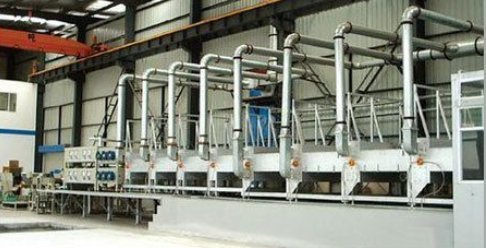
In modern manufacturing, a high-performance aluminum coil coating line plays a central role in applying these coatings with precision and consistency. The system ensures that different coating formulations are evenly applied, properly cured, and optimized for specific industrial requirements, allowing manufacturers to achieve both functional protection and aesthetic flexibility in a single continuous process.
Importance of Coating Material Selection
Choosing the right coating material is essential because it directly affects corrosion resistance, weather durability, color stability, and surface hardness. Different industries require different performance characteristics, meaning no single coating type is suitable for all applications.
Coating systems must balance:
- Environmental resistance
- Mechanical durability
- Aesthetic appearance
- Cost efficiency
- Processing compatibility
The selection process often depends on where and how the aluminum product will be used, especially in outdoor or high-exposure environments.
Polyester Coatings for General Applications
Polyester coatings are among the most widely used options in coil coating production due to their cost-effectiveness and balanced performance. They offer good flexibility, moderate weather resistance, and a wide range of color choices.
These coatings are commonly used in:
- Interior building panels
- Household appliances
- Decorative architectural elements
Polyester coatings are suitable for applications where extreme environmental resistance is not required but visual consistency and affordability are important. They also perform well in controlled indoor environments.
PVDF Coatings for High-Performance Durability
Polyvinylidene fluoride (PVDF) coatings are known for their exceptional resistance to weathering, UV radiation, and chemical exposure. They are often used in demanding outdoor environments where long-term stability is critical.
Key advantages of PVDF coatings include:
- Excellent color retention
- Strong resistance to UV degradation
- High corrosion protection
- Long service life
Because of these properties, PVDF coatings are widely used in architectural projects such as curtain walls, roofing systems, and exterior cladding. They are considered a premium solution for long-term outdoor exposure.
Epoxy Coatings for Strong Adhesion and Protection
Epoxy coatings are primarily used for their excellent adhesion and chemical resistance. While they are not typically exposed to direct sunlight due to potential UV sensitivity, they perform extremely well in protective and structural applications.
Common uses include:
- Industrial equipment components
- Base coating layers
- Indoor structural panels
Epoxy coatings create a strong foundation layer that enhances the bonding of subsequent coatings. Their toughness makes them suitable for environments where mechanical resistance is more important than aesthetic longevity.
Polyurethane Coatings for Balanced Performance
Polyurethane coatings provide a balance between durability, flexibility, and appearance. They offer better UV resistance than epoxy coatings and improved mechanical performance compared to standard polyester systems.
These coatings are often selected for applications that require both decorative and functional performance, such as:
- Transportation panels
- Exterior building components
- High-quality appliance surfaces
Their versatility makes them a popular choice in industries that demand both strength and visual appeal.
Finishing Options in Coil Coating Systems
Beyond coating materials, finishing options play a major role in determining the final appearance and texture of aluminum products. Finishing treatments are applied during or after coating to achieve specific visual or functional effects.
Common finishing options include gloss, matte, metallic, textured, and specialty surface treatments. Each finish serves a different purpose depending on design and performance requirements.
Gloss Finishes for Reflective Appearance
Gloss finishes provide a shiny, reflective surface that enhances color brightness and visual impact. These finishes are often used in decorative applications where aesthetics are a priority.
Advantages include:
- High visual appeal
- Enhanced color depth
- Smooth surface texture
Gloss coatings are commonly found in interior panels, signage, and consumer-facing products.
Matte Finishes for Subtle Aesthetics
Matte finishes offer a non-reflective surface with a smooth, understated appearance. They are increasingly popular in modern architectural design due to their minimalistic look.
Key benefits include:
- Reduced glare
- Contemporary appearance
- Fingerprint resistance
Matte finishes are often used in interior design, office environments, and premium architectural projects.
Metallic Finishes for Premium Design
Metallic coatings incorporate reflective pigments that mimic the appearance of brushed or polished metal. These finishes enhance depth and sophistication in design applications.
They are widely used in:
- High-end building facades
- Automotive panels
- Decorative architectural elements
Metallic finishes provide a premium look while maintaining the protective benefits of coil coating systems.
Textured and Specialty Finishes
Textured coatings create a patterned or embossed surface that improves both aesthetics and functionality. These finishes can also help hide minor surface imperfections.
Specialty finishes may include:
- Wood grain effects
- Stone-like textures
- Anti-slip surfaces
- Anti-fingerprint coatings
These options allow manufacturers to replicate natural materials or improve usability in specific environments.
Factors Influencing Coating and Finish Selection
Selecting the right combination of coating material and finish depends on several technical and design factors. Manufacturers must consider environmental exposure, expected product lifespan, and visual requirements.
Key considerations include:
- Outdoor vs indoor application
- UV and weather exposure levels
- Mechanical stress and usage conditions
- Budget and production scale
- Design and branding requirements
Proper selection ensures that coated aluminum products meet both functional and aesthetic expectations.
Conclusion
Coating materials and finishing options are essential elements in determining the performance and appearance of aluminum products. From durable PVDF systems to versatile polyester coatings, each material serves a specific purpose depending on application needs. Finishing options such as gloss, matte, metallic, and textured surfaces further enhance design flexibility.
A modern coil coating process ensures that these materials are applied with precision and consistency, enabling manufacturers to produce high-quality aluminum products suitable for a wide range of industrial and architectural uses.


