
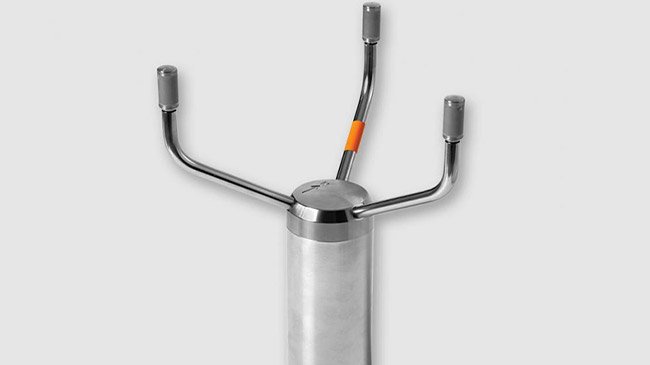
Accurate wind measurement is essential for both meteorology and renewable energy sectors. Understanding airflow patterns not only helps predict weather conditions but also optimizes energy production from wind turbines. Wind sensors play a pivotal role in these applications, and among the most reliable devices available are Rika Wind Sensors. These instruments provide precise, real-time wind data, helping professionals make informed decisions in weather forecasting, climate research, and energy management.
A Rika Wind Sensor is designed to deliver high-accuracy measurements of wind speed and direction across various environmental conditions. The sensor is engineered to withstand harsh weather, providing reliable performance in both remote and urban locations. For weather monitoring stations, these sensors supply critical data that informs forecasts, alerts for extreme weather, and studies on climate patterns. In the renewable energy sector, precise wind measurement ensures that wind turbines operate efficiently, maximizing energy output and reducing mechanical wear. Using a Rika Wind Sensor allows meteorologists and energy professionals to access reliable data for optimal operational planning.
Applications in Weather Monitoring
Meteorological Stations
Meteorological stations use wind sensors to collect real-time data on wind speed and direction. This information is essential for understanding weather patterns, predicting storms, and issuing warnings for hazardous conditions such as hurricanes, tornadoes, or severe thunderstorms. The accuracy and durability of Rika wind sensors make them ideal for continuous operation in outdoor monitoring networks.
Climate Research
Long-term climate studies rely on accurate wind data to track trends in atmospheric movement and global weather changes. Rika wind sensors provide consistent measurements over time, allowing scientists to analyze changes in wind patterns, study the effects of climate change, and model atmospheric dynamics. Data collected from these sensors contribute to predictive climate models that inform policy decisions and environmental planning.
Extreme Weather Alerts
Wind data from Rika sensors supports early warning systems for extreme weather events. By detecting sudden changes in wind speed and direction, meteorologists can issue timely alerts to protect communities, infrastructure, and transportation systems. The ability to provide real-time updates enhances preparedness and mitigates the risk of damage during severe weather.
Applications in Renewable Energy
Wind Farm Site Assessment
Before constructing a wind farm, developers need precise measurements of local wind conditions. Rika wind sensors are used in site assessment to determine average wind speeds, prevailing wind directions, and turbulence levels. Accurate data helps select optimal locations for turbines, ensuring maximum energy generation and efficient operation.
Turbine Performance Optimization
Once a wind farm is operational, continuous monitoring is critical for maintaining performance. Rika wind sensors provide real-time data that informs turbine control systems, allowing adjustments to blade angles and rotational speed based on current wind conditions. This ensures turbines operate at peak efficiency while reducing mechanical stress and extending the lifespan of the equipment.
Predictive Maintenance
Wind sensors also play a role in predictive maintenance for wind turbines. By monitoring wind patterns and recording extreme gusts, operators can anticipate potential stress on turbine components. This information allows for proactive maintenance, minimizing downtime and preventing costly repairs caused by unexpected mechanical failures.
Integration with Modern Systems
Modern wind energy and weather monitoring systems often incorporate automated data collection, cloud-based analysis, and remote monitoring. Rika wind sensors are compatible with digital data loggers and networked control systems, providing seamless integration for real-time analytics. Data from multiple sensors can be combined to create comprehensive wind maps, improving forecasting accuracy and energy production planning.
Environmental Monitoring
Beyond energy and weather, Rika wind sensors are valuable for environmental research. They help track pollutant dispersion, study the effects of wind on ecosystems, and support air quality monitoring programs. Accurate wind measurements allow scientists and policymakers to evaluate environmental impact and implement strategies to reduce hazards.
Aviation and Transportation Safety
Rika wind sensors also contribute to aviation and maritime operations by providing reliable wind data at airports, helipads, and ports. Pilots and captains rely on this information for safe navigation, landing, and takeoff operations. Consistent wind monitoring improves overall transportation safety and operational efficiency.
Conclusion
The versatility of Rika Wind Sensors makes them indispensable tools in weather monitoring, renewable energy, and environmental research. Their high accuracy, reliability, and compatibility with modern data systems enable professionals to optimize performance, ensure safety, and make informed decisions. From forecasting storms to maximizing wind farm efficiency, these sensors play a critical role in capturing and analyzing wind data, ultimately contributing to a safer, more sustainable, and energy-efficient future.


