
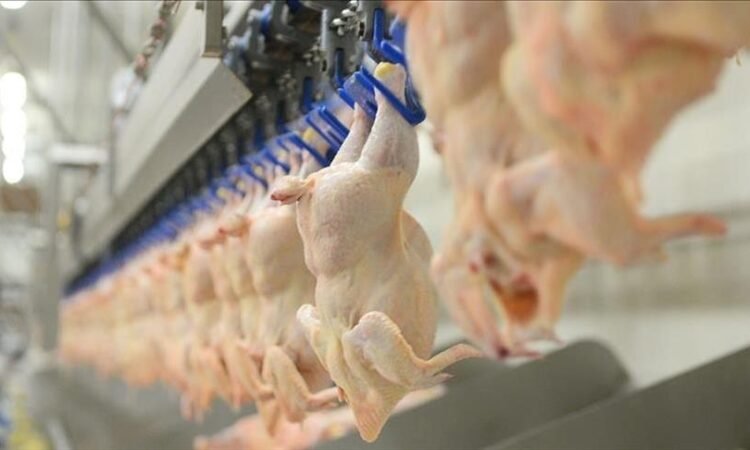
The meat processing industry has witnessed a dramatic shift in recent years, largely due to the adoption of automation in slaughtering operations. Automation in slaughtering equipment has transformed how facilities handle animals, streamline processes, and maintain hygiene standards. By reducing manual labor and integrating technology, modern slaughterhouses are able to improve efficiency, ensure product consistency, and enhance overall safety. Understanding the trends and benefits of automated systems is crucial for industry professionals seeking to optimize operations.
Automation in slaughtering equipment allows for greater precision and efficiency at every stage of meat processing. Tasks that were traditionally labor-intensive, such as stunning, bleeding, skinning, evisceration, and carcass splitting, can now be performed consistently and reliably using machinery. The integration of slaughtering equipment into production lines has revolutionized the industry, offering facilities the ability to increase output while reducing human error. Automated systems also ensure higher hygiene standards by minimizing direct human contact with the meat, which reduces the risk of contamination.
Key Trends in Automated Slaughtering Equipment
The adoption of automation has led to several notable trends in modern meat processing:
Increased Use of Robotics
Robotics technology is increasingly being applied in slaughterhouses to handle repetitive or precise tasks. Robotic arms are used for deboning, trimming, and packaging, allowing for consistent quality and reducing physical strain on workers. These systems can adapt to different animal sizes and cuts, ensuring efficiency in high-volume operations.
Smart Sensors and Data Integration
Modern automated systems often come equipped with sensors and data analytics capabilities. These sensors monitor parameters such as temperature, weight, and processing speed in real time. The collected data can be analyzed to optimize workflow, predict maintenance needs, and ensure compliance with safety and hygiene standards.
Advanced Conveying Systems
Automated conveyor systems are a key feature of modern slaughtering facilities. They move carcasses through different stages of processing with precision and minimal manual intervention. This trend reduces handling errors, ensures consistent processing, and maintains sanitary conditions.
Humane and Ethical Processing
Automation is increasingly applied to improve animal welfare. Automated stunning and handling equipment ensure humane treatment, reducing stress and improving compliance with ethical standards. These systems also provide more consistent results compared to manual methods.
Benefits of Automation in Slaughtering Equipment
Implementing automated systems offers numerous advantages for meat processing facilities:
Enhanced Efficiency
Automated equipment significantly increases throughput, enabling facilities to process more animals in less time. High-speed machinery reduces bottlenecks and ensures smooth workflow from slaughter to packaging.
Improved Hygiene and Food Safety
Reducing manual handling limits the risk of contamination. Automated systems are easier to clean, often designed with stainless steel and smooth surfaces to meet stringent food safety standards. Consistent processing further reduces the likelihood of errors that can compromise hygiene.
Reduced Labor Costs and Workplace Injuries
Automation minimizes the need for extensive manual labor, reducing costs and improving worker safety. Handling heavy carcasses or performing repetitive tasks manually can lead to injuries, which automated equipment helps prevent.
Consistent Product Quality
Automation ensures uniformity in processing, from cuts and deboning to packaging. This consistency improves customer satisfaction and helps facilities meet industry standards reliably.
Scalability and Flexibility
Automated slaughtering equipment can be scaled to accommodate varying production volumes. Many systems offer programmable settings, allowing operators to process different animal types and sizes without significant downtime or adjustments.
Considerations for Implementing Automation
While automation offers significant benefits, careful planning is essential for successful implementation. Facilities should assess their production requirements, budget, available space, and workforce capabilities. Staff training is critical to ensure that operators can effectively manage and maintain automated systems. Additionally, regular maintenance and timely updates are necessary to maximize equipment longevity and reliability.
Future Prospects
The future of automation in slaughtering equipment is closely tied to technological innovation. Artificial intelligence, machine learning, and advanced robotics are expected to play a larger role in optimizing workflow, reducing waste, and improving precision. Sustainable processing technologies are also emerging, focusing on energy efficiency, water conservation, and waste management. As these advancements continue, facilities that adopt automated systems will gain a competitive edge in efficiency, quality, and sustainability.
Conclusion
Automation in slaughtering equipment has transformed the meat processing industry by improving efficiency, hygiene, and product quality while reducing labor costs and workplace risks. From robotics and smart sensors to advanced conveyor systems and humane handling devices, automation ensures consistent, high-quality results. Facilities that invest in modern automated machinery can achieve higher throughput, maintain ethical and safety standards, and adapt to evolving industry trends. As technology continues to advance, automation will remain a driving force in the future of meat processing, offering both operational and strategic advantages.


