Introduction
Effective teaching is a cornerstone of student success, yet ensuring consistent, high-quality instruction across classrooms remains a challenge for many schools. Professional development programs, workshops, and training sessions play an essential role in enhancing teaching skills. However, one of the most powerful tools for teacher growth is direct classroom observation. Observing teachers in their natural teaching environment provides invaluable insights that go beyond theoretical knowledge, helping educators refine their practice and improve student learning outcomes.
Benefits of Classroom Observation
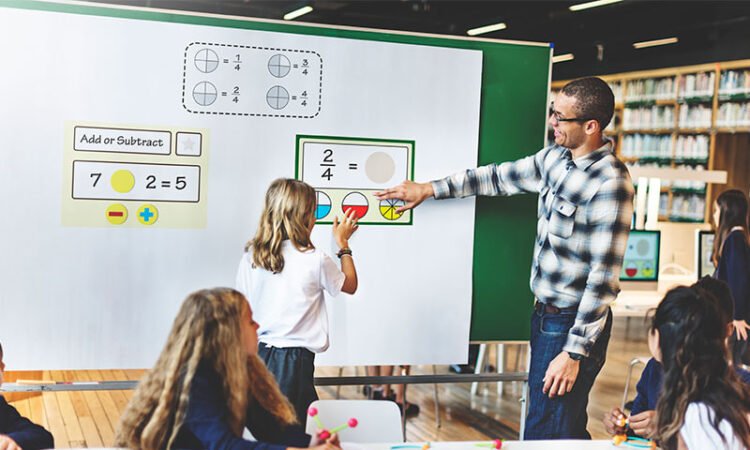
Classroom observation offers a unique opportunity to assess teaching strategies, classroom management, and student engagement in real-time. Unlike self-reports or written assessments, direct observation captures the dynamics between teacher and students, revealing strengths and areas for improvement. Schools often adopt structured methods such as peer observation, mentoring, or administrative walkthroughs to ensure consistency and objectivity. Modern solutions like Classroom observation platforms further enhance this process by providing digital tools to record, analyze, and share observations efficiently. These tools allow educators to receive timely feedback and engage in a continuous cycle of reflection and growth.
Enhancing Professional Development
Classroom observation is not only about evaluation—it is a powerful driver for professional development. Observations provide specific, actionable feedback that teachers can use to adjust instructional methods, classroom management techniques, and communication strategies. When paired with coaching or mentoring programs, teachers can implement suggestions and track improvements over time. This ongoing process encourages a culture of continuous learning, where teachers actively seek ways to enhance their instructional effectiveness.
Supporting Evidence-Based Teaching Practices
Classroom observation allows school leaders to identify effective teaching practices and replicate them across the school. Observers can analyze which strategies promote engagement, comprehension, and critical thinking. By sharing these insights, schools create a knowledge-sharing culture that benefits all educators. Data collected from observations also supports evidence-based decision-making for curriculum design, lesson planning, and professional development priorities. Over time, this leads to more consistent and higher-quality instruction throughout the institution.
Strengthening Teacher-Student Interaction
Observations provide critical insight into the teacher-student relationship, which is fundamental to a positive learning environment. Evaluators can assess how teachers respond to individual student needs, manage classroom behavior, and facilitate participation. This feedback helps teachers develop strategies to improve engagement, inclusivity, and personalized learning. When educators understand their interactions’ impact on student outcomes, they are better equipped to create classrooms that foster both academic and social-emotional growth.
Encouraging Reflective Practice
Classroom observation encourages teachers to reflect critically on their own practice. Recording or reviewing observations allows educators to see what works well and what could be improved. Reflective practice is a cornerstone of professional growth, as it promotes self-awareness and deliberate adjustments to teaching techniques. When teachers analyze observation feedback alongside student performance data, they gain a holistic understanding of their impact in the classroom.
Promoting Collaboration and Mentorship
Observations can also strengthen collaboration among teachers. Peer observation programs allow educators to learn from one another, exchange strategies, and provide constructive feedback. Mentorship initiatives paired with classroom observation help novice teachers receive guidance from experienced colleagues, accelerating their professional development. Collaborative observation creates a supportive environment where feedback is viewed as a tool for improvement rather than evaluation alone.
Monitoring and Measuring Progress
Regular classroom observation enables schools to monitor teacher performance over time. By maintaining detailed records of observations, administrators can track improvements, identify ongoing challenges, and make informed decisions about professional development. Consistent observation helps ensure accountability while recognizing achievements and progress. This data-driven approach reinforces a culture of continuous improvement and aligns teacher development with school-wide goals.
Adapting to Diverse Learning Environments
Each classroom has unique dynamics, including student abilities, learning styles, and cultural backgrounds. Classroom observation helps teachers adapt their instruction to meet diverse needs effectively. Observers can provide feedback on differentiated instruction, classroom management strategies, and engagement techniques that support all students. This tailored approach ensures that every learner receives an equitable and effective educational experience.
Conclusion
Classroom observation is a vital component of teacher development, offering insights that cannot be captured through traditional assessments or self-reflection alone. It enhances professional growth, supports evidence-based teaching, strengthens teacher-student interactions, encourages reflective practice, and promotes collaboration. When implemented consistently and thoughtfully, classroom observation becomes a powerful tool for improving teaching quality and student outcomes. By integrating observation into professional development programs and leveraging modern tools, schools can create a culture of continuous improvement that benefits educators and learners alike.