
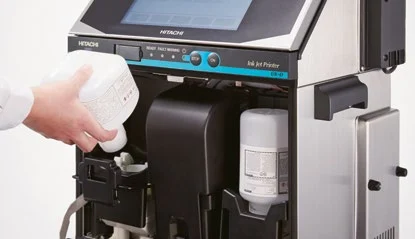
In modern manufacturing and packaging operations, selecting the right equipment is a critical decision that affects both productivity and long-term costs. Small Character Inkjet Printers are widely used for marking products with batch numbers, expiration dates, barcodes, and other essential information. While these printers offer significant advantages in terms of speed and flexibility, understanding the cost implications is crucial for businesses planning to invest in them.
A Small Character Inkjet Printer is a non-contact printing device that sprays tiny droplets of ink onto various surfaces such as plastics, metals, glass, and paper. While the initial investment may vary depending on the model, brand, and features, there are several factors that influence the total cost of ownership. Businesses often work with specialized suppliers like Small Character Inkjet Printer to evaluate options and select a printer that aligns with production requirements and budget constraints.
Initial Purchase Price
The upfront cost of a small character inkjet printer is the first consideration. Prices can range widely depending on the printing technology, speed, resolution, and features. Continuous Inkjet (CIJ) printers tend to have higher initial costs due to their complex mechanics and capability for high-speed production. Drop-on-Demand (DOD) printers, particularly those using piezoelectric technology, may be more affordable but are often best suited for specialized applications. When evaluating initial purchase costs, it is important to consider not only the base unit but also accessories such as printheads, mounting systems, and software packages.
Ink and Consumables
Ink is one of the most significant ongoing expenses for small character inkjet printers. Different printers use different types of ink, including solvent-based, water-based, and UV-curable inks. Solvent-based inks are often more expensive but provide durability on challenging surfaces such as plastics and metals. Water-based inks are typically more economical but may require additional drying time or coatings for certain materials. Additionally, consumables such as filters, cleaning solutions, and replacement printheads contribute to ongoing operating costs. Selecting high-quality consumables and proper maintenance practices can extend the life of components and reduce overall expenses.
Maintenance and Service Costs
Maintaining a small character inkjet printer is essential for consistent performance and longevity. Regular maintenance tasks include cleaning printheads, checking ink levels, and performing system calibrations. Many modern printers offer automated cleaning and monitoring systems that reduce manual intervention, but these features may add to the purchase price. Service contracts and warranties should also be factored into cost considerations. Preventive maintenance can minimize unplanned downtime, which, if not managed, can lead to significant production losses.
Energy Consumption
Energy usage is another cost factor that can impact the total operating expense of a small character inkjet printer. Continuous inkjet printers, which operate at high speeds, may consume more electricity than slower models. Some printers include energy-saving features, such as standby modes and efficient heating systems for solvent-based inks. Evaluating energy consumption in relation to production volume can help businesses choose models that balance performance with cost efficiency.
Integration and Training
The cost of integrating a small character inkjet printer into existing production lines should not be overlooked. Some printers require additional software, mechanical modifications, or automation systems to operate effectively. Initial setup and staff training are necessary to ensure operators can handle the printer correctly, minimize errors, and maintain consistent print quality. While these costs are often one-time expenses, they should be included in the overall budgeting process.
Productivity and ROI
While small character inkjet printers involve initial and ongoing costs, they can deliver a strong return on investment (ROI) through improved productivity and reduced waste. These printers eliminate the need for labels in many applications, saving both time and materials. High-speed printing, reduced errors, and reliable marking contribute to smoother production processes. When evaluating cost considerations, it is important to weigh the upfront and operational costs against the benefits of efficiency, accuracy, and reduced labor expenses.
Conclusion
Investing in a Small Character Inkjet Printer requires careful consideration of multiple cost factors, including the initial purchase price, ink and consumables, maintenance, energy consumption, integration, and staff training. While the upfront investment may seem significant, the long-term benefits in productivity, accuracy, and operational efficiency can justify the expense. By working with experienced suppliers and carefully analyzing production needs, manufacturers can select a printer that offers the best balance between performance and cost, ensuring a strong return on investment and consistent results across all product lines.


