
If you’re planning to build your own website—whether it’s for a personal blog, business website, or portfolio—you’ll need a place to store your website files. That’s where web hosting comes in.
A host website (or web hosting service) is what makes your site accessible on the internet. It stores everything—your images, content, and code—on a web server. When someone types in your domain name, your hosting provider delivers those files to their browser.
Introduction to Web Hosting
Web hosting is a crucial service that enables individuals and organizations to make their websites accessible on the internet. It involves storing and maintaining website files, applications, and data on a server, which is typically provided by a web hosting company. Web hosts offer various types of hosting services, including shared hosting, dedicated hosting, virtual private server (VPS) hosting, and cloud hosting, to cater to different needs and requirements. With web hosting, website owners can focus on creating and managing their online content, while the web host handles the technical aspects of server maintenance, security, and uptime.
How Does Web Hosting Work?
Every website you’ve ever visited is stored on a physical server somewhere. These servers are powerful computers that run 24/7. Web hosting requires the utilization of physical or virtual servers to store and maintain website files, along with a domain name system (DNS) for functionality and accessibility. When you create a site, you upload your content to that server through your hosting account.
Your web hosting provider takes care of the technical stuff—like keeping the server online, managing server configurations, and ensuring your website files are available any time someone wants to visit your site.
Types of Web Hosting
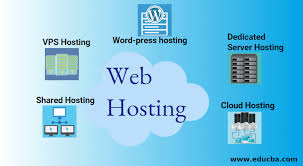
Different websites need different things. That’s why web hosting companies offer several hosting options to suit various needs:
1. Shared Hosting
Perfect for personal websites or small blogs. You share server space with other websites, which keeps costs low. It’s simple and budget-friendly, but you’ll share server resources like bandwidth and storage space with multiple users. Many hosting providers, such as Com Web Hosting, offer excellent entry-level plans with generous features for beginners.
2. Virtual Private Server (VPS) Hosting
Great for growing websites that need more control. A VPS hosting plan divides a physical server into virtual servers, so you get more dedicated resources without the cost of a full dedicated server. You’ll also get more technical control, like root access.
3. Dedicated Hosting
With dedicated server hosting, your site gets an entire server to itself. It’s ideal for high-traffic or complex websites. This option gives you full control and the best performance, though it requires more technical expertise.
4. Cloud Hosting
This spreads your site across multiple servers, making it an ideal solution for users managing multiple websites. If one server goes down, another steps in—making it very reliable. It’s a scalable web hosting solution that adapts to your traffic levels.
5. Managed WordPress Hosting
Tailored for WordPress users, wordpress hosting plans handle updates, security, and speed tuning for you. It’s ideal if you’re using a content management system like WordPress and want fewer technical headaches.
6. Reseller Hosting
Useful if you want to sell hosting services yourself. You buy web hosting plans in bulk and offer them to others under your own brand.
Domain Name and Hosting
A domain name is a unique identifier for a website, and it is essential to register a domain name to establish an online presence. Web hosting providers often offer domain registration services, making it convenient for website owners to manage their domain and hosting from a single platform. When choosing a web hosting provider, it is essential to consider the availability of domain registration services, as well as the provider’s expertise in managing domain names. Additionally, website owners should ensure that their web hosting provider offers reliable DNS (Domain Name System) management, which is critical for directing visitors to their website.
Real-World Hosting Examples
Understanding the types is one thing—knowing how they apply in the real world helps more. Here are some quick examples:
- Shared hosting: You’re starting a food blog with a few recipes and photos. It’s your first website. Shared hosting is cheap and does the job perfectly.
- VPS hosting: Your photography site is growing fast. You need more control and better performance to handle the large image galleries. VPS gives you that space without breaking the bank.
- Dedicated hosting: You run an online store with hundreds of products and customers shopping daily. You need top performance, speed, and full control—dedicated hosting gives you all three.
- Business websites: You manage a small business website that requires reliable uptime, enhanced security, and fast loading times to ensure a smooth customer experience. Choosing the right hosting plan is crucial for maintaining your business operations.
- Cloud hosting: You’ve launched a tech news site that sometimes goes viral. Traffic spikes come out of nowhere. Cloud hosting ensures your site won’t crash when it happens.
- Managed WordPress hosting: You’re a freelance designer building websites for clients using WordPress. You want speed and security without worrying about maintenance.
Key Hosting Features Explained (Plain English Edition)
Here’s a quick breakdown of common hosting terms without the tech jargon:
- Domain name: The address of your site (like yoursite.com).
- Server resources: The power your site uses (like memory, CPU, and storage).
- Root access: Full control over your server—ideal if you know your way around advanced settings.
- Dedicated resources: Guaranteed server power just for your site. No sharing.
- Bandwidth: How much data your site can transfer when people visit.
- Storage space: How much room your website has to store files, images, and code.
- Uptime: The percentage of time your site stays online (99.9% is standard).
- Backups: Automatic copies of your site in case something goes wrong.
- Web hosting features: Integral characteristics offered by various web hosting providers that cater to different needs, varying across different hosting tiers.
Cost and Pricing
The cost of web hosting varies depending on the type of hosting service, server resources, and features required. Shared hosting is generally the most affordable option, while dedicated hosting and VPS hosting are more expensive due to the dedicated resources and customization options they offer. Cloud hosting plans can be scalable, allowing website owners to pay only for the resources they use. When evaluating web hosting providers, it is essential to consider the pricing structure, including any discounts, promotions, or add-ons that may be available. Website owners should also factor in the cost of domain registration, SSL certificates, and other security features that may be required to ensure a secure and reliable online presence.
Web Hosting and Security
Security is a critical aspect of web hosting, as websites are vulnerable to cyber threats, hacking, and data breaches. Web hosting providers should offer robust security features, including firewalls, intrusion detection, and antivirus software, to protect websites and data from malicious attacks. Additionally, website owners should look for web hosting providers that offer regular backups, disaster recovery options, and SSL certificates to ensure the integrity and confidentiality of their data. Managed hosting services can also provide an added layer of security, as the web hosting provider is responsible for managing and maintaining the server, including security updates and patches. By choosing a web hosting provider that prioritizes security, website owners can ensure a safe and reliable online presence for their visitors.
Hosting Starter Checklist
Not sure where to begin? This quick checklist helps you make smarter hosting decisions:
- Define your website’s purpose (blog, shop, portfolio, etc.)
- Choose and register a domain name
- Estimate expected traffic—small or growing?
- Pick the type of web hosting that suits your needs
- Compare web hosting providers (look at support, features, and pricing)
- Check for security features and regular backups
- Choose a web hosting plan with room to grow
- Ensure the customer support team is responsive and helpful
- Launch your site with confidence
Mini-FAQ: Hosting Questions You Might Be AskingQ: Do I need hosting if I’m using a website builder?
A: Yes, although many website builders like Wix or Squarespace include hosting. But if you’re using WordPress or building a site independently, you’ll need to choose a host.
Q: Can I switch hosts later on?
A: Absolutely. Most hosting companies offer migration support or tools to help move your site with minimal downtime.
Q: Is free web hosting a good idea?
A: Free web hosting can be appealing for beginners or budget-conscious individuals. It’s fine for testing or learning, but not for a serious website. Free hosting often lacks support, security, and speed, which can hinder professional growth and performance. For better reliability and features, consider paid hosting alternatives.
Q: How do I know if I need VPS or shared hosting?
If you’re just starting out with low traffic, shared hosting is enough. If you notice your site slowing down or want more control, it might be time to upgrade to VPS.
Final Thoughts
A host website is more than just a place to store your site—it’s the foundation of your online presence. Good web hosting services keep your site fast, safe, and always available. And choosing the right web hosting solution can save you a lot of time and stress down the line.
From virtual private servers to dedicated hosting, there’s a setup that fits your site perfectly. Focus on what your website actually needs, and let that guide your decision.
With the right host behind you, your site has everything it needs to grow, thrive, and impress.


