
Managed IT Services Provider (MSP): A Comprehensive Solution for Modern Businesses What is a Managed IT Services Provider (MSP)?
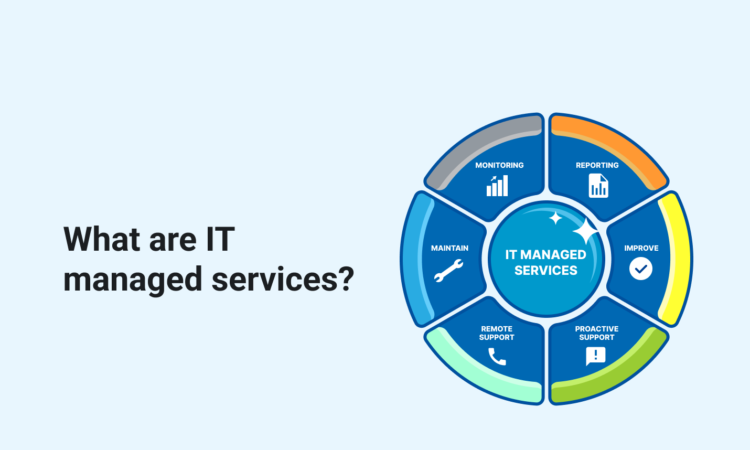
A Managed IT Services Provider (MSP) is an external partner that delivers proactive and comprehensive IT support, management, and solutions to businesses. By leveraging the expertise of an MSP, companies can outsource their IT needs, from infrastructure maintenance to cybersecurity, ensuring seamless operations and allowing internal teams to focus on core business functions.
MSPs offer their services on a subscription basis, where businesses pay a fixed monthly fee for a tailored package of IT services. These can include network monitoring, data backups, cloud solutions, cybersecurity management, and helpdesk support. This model ensures predictability in costs and access to the latest technology without the need for large upfront investments in IT infrastructure or personnel.
Why do businesses choose MSPs?
Businesses of all sizes are increasingly turning to MSPs to address their growing IT needs. One of the main reasons is cost efficiency. MSPs provide access to a wide range of IT services and expertise at a fraction of the cost of maintaining a full in-house IT department.
Another key advantage is proactive IT management. Instead of addressing issues as they arise, MSPs focus on prevention by continuously monitoring and maintaining IT systems. This approach minimizes downtime, enhances productivity, and ensures businesses can operate without disruption.
MSPs also offer scalability. As businesses grow or experience seasonal fluctuations, MSPs can quickly adjust resources and services to meet changing needs, providing unparalleled flexibility.
Lastly, MSPs provide access to the latest technology and IT best practices. With their specialized knowledge and continuous training, MSPs ensure businesses remain competitive and secure in an ever-evolving technological landscape.
Core services offered by MSPs
MSPs provide a wide range of IT services tailored to the specific needs of their clients.
Network Monitoring and Management
MSPs monitor network performance 24/7 to identify and resolve issues before they impact business operations. They also manage network infrastructure, ensuring optimal connectivity and reliability.
Data Backup and Disaster Recovery
MSPs implement robust data backup solutions to protect businesses from data loss due to hardware failures, cyberattacks, or natural disasters. They also create disaster recovery plans to ensure rapid recovery and business continuity.
Cybersecurity Management
MSPs protect businesses from growing cyber threats by implementing advanced security measures such as firewalls, antivirus software, intrusion detection systems, and employee training.
Cloud Services
Many MSPs assist businesses with cloud migration, management, and optimization. This includes setting up hybrid or multi-cloud environments, managing storage, and providing access to secure cloud-based applications.
Helpdesk and IT Support
MSPs offer round-the-clock helpdesk support to resolve technical issues quickly and efficiently, ensuring employees stay productive.
Compliance and Regulatory Assistance
For industries with strict regulatory requirements, MSPs help ensure compliance by managing data privacy and implementing necessary IT controls.
Benefits of working with an MSP
Predictable Costs
MSPs provide fixed-cost models, allowing businesses to plan their IT budgets more effectively and avoid unexpected expenses.
Access to Expertise
MSPs employ IT professionals with diverse skill sets and certifications, ensuring businesses have access to top-tier talent without needing to hire and train in-house staff.
Enhanced Security
By outsourcing IT management to an MSP, businesses benefit from cutting-edge security measures that protect against emerging cyber threats and ensure compliance with data protection regulations.
Proactive Problem Solving
MSPs focus on identifying and addressing issues before they escalate, reducing downtime and ensuring smooth business operations.
Scalability and Flexibility
As businesses grow or face changes in demand, MSPs can quickly scale services up or down to meet evolving needs, ensuring IT resources remain aligned with organizational goals.
MSPs vs. traditional IT support
Unlike traditional IT support, which often operates reactively by addressing issues as they occur, MSPs adopt a proactive approach to IT management. Traditional IT support typically focuses on troubleshooting and repairs, while MSPs provide ongoing monitoring, maintenance, and strategic guidance to prevent problems from arising.
MSPs also differ in their service models. Traditional IT support is often billed per incident, making costs unpredictable. In contrast, MSPs use subscription-based pricing, providing businesses with predictable monthly costs.
Additionally, MSPs offer a broader range of services, including cloud management, compliance assistance, and advanced cybersecurity measures, which traditional IT support may lack.
Key industries that benefit from MSPs
MSPs serve businesses across various industries, tailoring their services to meet sector-specific challenges and requirements.
Healthcare
MSPs help healthcare providers maintain compliance with strict regulations such as HIPAA while protecting sensitive patient data through advanced security measures.
Finance
Financial institutions rely on MSPs for secure data management, fraud prevention, and compliance with regulations such as GDPR and PCI DSS.
E-commerce
MSPs assist e-commerce businesses with scaling their IT infrastructure during high-demand periods, ensuring website uptime, and protecting customer data from breaches.
Education
Schools and universities use MSPs to manage IT infrastructure, provide online learning platforms, and protect against cyberattacks targeting educational institutions.
Manufacturing
Manufacturers leverage MSPs to monitor and optimize production systems, implement IoT solutions, and maintain secure communication networks.
How to choose the right MSP
When selecting an MSP, businesses should evaluate their needs and consider the following factors:
Service Offerings
Ensure the MSP provides the specific services your business requires, such as cybersecurity, cloud management, or compliance assistance.
Experience and Reputation
Look for MSPs with a proven track record and experience in your industry. Read reviews, case studies, and client testimonials to assess their reliability.
Scalability
Choose an MSP that can grow with your business and adapt to changing needs, ensuring long-term partnership success.
24/7 Support
Round-the-clock support is essential to address issues promptly and minimize disruptions to your operations.
Transparency and Communication
A reliable MSP will provide clear communication, regular updates, and detailed reporting on system performance and issues.
The future of MSPs
As businesses continue to adopt advanced technologies such as artificial intelligence, automation, and cloud computing, the role of MSPs will expand further. MSPs are poised to become strategic partners, helping businesses navigate complex IT landscapes and drive innovation.
With cybersecurity threats on the rise and regulatory requirements becoming more stringent, MSPs will play a critical role in ensuring businesses remain secure and compliant.
For modern businesses seeking to optimize their IT operations, reduce costs, and stay competitive, partnering with a Managed IT Services Provider is an investment in long-term success. By leveraging the expertise and resources of an MSP, organizations can focus on growth and innovation while leaving IT management in the hands of professionals.


