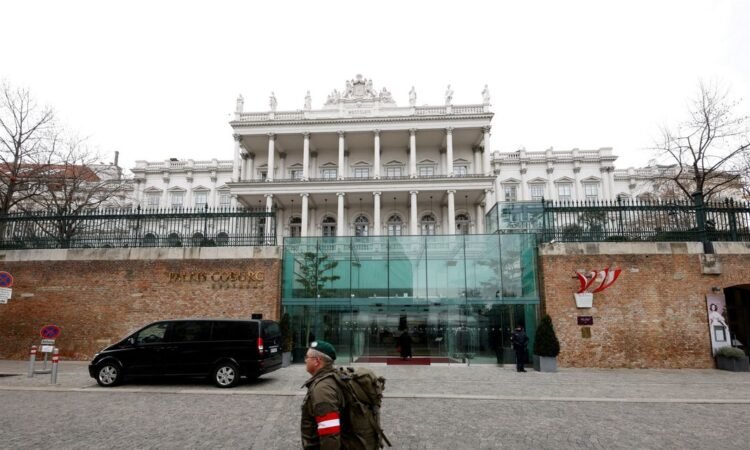
BERLIN—Russia walked back recently made demands on Washington related to the Iran nuclear deal, clearing the way for Tehran and Washington to revive the 2015 agreement, senior western diplomats said.
On Tuesday, after Russia’s Foreign Minister
Sergei Lavrov
met in Moscow with his Iranian counterpart, both Mr. Lavrov and
Hossein Amir-Abdollahian
said Russia wasn’t standing in the way of the accord.
Russia earlier this month had demanded guarantees from Washington that its economic ties with Iran wouldn’t be affected by the Western sanctions imposed on Moscow over Ukraine. The last-minute move was the driving factor that prevented a deal to revive the 2015 nuclear agreement over the past 10 days, western diplomats have said.
The European Union, which coordinates the talks, announced a break in the negotiations on Friday, blaming “external factors” for preventing a deal that is “essentially ready.”
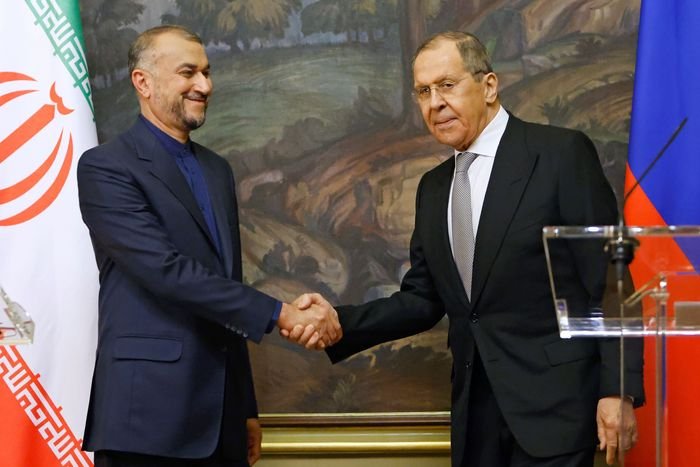
Iranian Foreign Minister Hossein Amir-Abdollahian and Russian Foreign Minister Sergei Lavrov said Russia wasn’t standing in way of an Iran nuclear deal.
Photo:
maxim shemetov/pool/Shutterstock
A senior western diplomat said Tuesday evening that Russia’s chief negotiator at the talks,
Mikhail Ulyanov,
had informed the EU that Russia would accept narrower guarantees ensuring that Russia could carry out the nuclear work it is mandated to do under the 2015 nuclear deal. That includes a uranium swap with Iran, the redesign of the Fordow nuclear facility and the provision of nuclear fuel to Iranian reactors.
“Russia says happy with guarantees on nuclear projects and not asking for anything else,” said the diplomat, who asked to remain unidentified because of the sensitive nature of the talks. “So we can go ahead with negotiations that are now exclusively US-Iran.”
State Department spokesman
Ned Price
said Tuesday evening that “we are not going to sanction Russia for undertaking, for participating in nuclear projects that are part of the” nuclear deal.
The negotiations, which have taken place for almost a year now, aim to reach agreement on the steps Washington and Tehran will take to return into compliance with the 2015 agreement, which lifted most international sanctions on Tehran in exchange for tight but temporary restrictions on Iran’s nuclear work.
After the Trump administration took the U.S. out of the accord and reimposed sweeping sanctions on Iran, saying the accord was too weak, Tehran expanded its nuclear work and has now gathered almost enough nuclear high-grade enriched uranium for a nuclear weapon, according to the United Nations nuclear agency.
Iran says its nuclear program is purely peaceful and U.S. officials have said there is no evidence Iran has decided to build a nuclear weapon.
Over the weekend, a senior U.S. official told The Wall Street Journal that only “a handful of issues left” remained between the U.S. and Iran to reach an accord, mainly on the issue of the scope of sanctions relief Iran would receive from Washington. The official said the U.S. side felt the resolution of these issues was “within reach.”
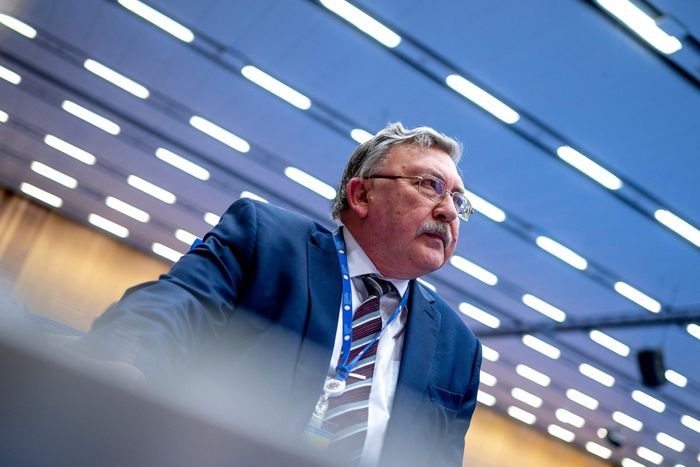
Mikhail Ulyanov Russia’s chief negotiator at the talks.
Photo:
joe klamar/Agence France-Presse/Getty Images
The U.S. official and senior European diplomats said they wouldn’t negotiate broad carve-outs from Western sanctions over Russia’s invasion of Ukraine with Moscow to save the nuclear deal. They warned that if Russia didn’t back off its demands, they would seek to complete an agreement with Iran, bypassing Russia.
Mr. Ulyanov said Tuesday evening on Twitter it was a lie that Russia had stood in the way of the accord with its demands for guarantees. He added that “some demands were accepted.” Iran, which has friendly ties with Moscow, has also continued to blame Washington for not completing the deal.
Negotiations between the U.S. and Iran could resume without negotiators returning to Vienna, where the talks have been held since April 2021, the senior western diplomat said. Iran so far has refused to talk directly with the Americans and instead have negotiated through the European powers at the talks. With so few issues still to be resolved, negotiators could work from capitals to resolve the remaining differences.
Time is pressing. U.S. and European officials say that Iran’s nuclear work has expanded close to a point that the deal’s main benefit to the West—keeping Iran months away from amassing enough nuclear fuel for a nuclear weapon—would be impossible.
European diplomats in particular have warned that with the war in Ukraine becoming ever-deadlier, the diplomatic window for concluding the deal is closing.
—Courtney McBride contributed to this article.
Copyright ©2022 Dow Jones & Company, Inc. All Rights Reserved. 87990cbe856818d5eddac44c7b1cdeb8