
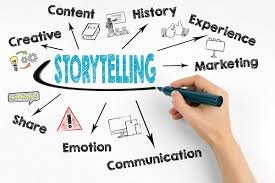
In an era where consumers are inundated with marketing messages, the ability to tell a compelling story has become one of the most powerful tools in a brand’s arsenal. Storytelling in public relations isn’t just about spinning a narrative; it’s about crafting an authentic connection that resonates with the audience. In 2025, where categories like wellness marketing and food and beverage PR are more competitive than ever, effective storytelling can be the key to standing out.
Why Storytelling Matters in PR
At its core, storytelling is about human connection. A well-told story evokes emotions, builds trust, and fosters loyalty. In PR, this translates into creating narratives that align with a brand’s values and the interests of its target audience. People no longer want to be sold to; they want to be part of a larger journey or mission.
For example, a wellness brand might share the personal journey of its founder overcoming health challenges to create a product that transforms lives. Similarly, in food and beverage PR, a brand can capture attention by highlighting the stories of the farmers behind its ingredients or the traditions that inspire its recipes. These narratives provide depth and authenticity, making the brand memorable.
The Storytelling Techniques Shaping PR in 2025
- Data-Driven Narratives In 2025, consumers expect stories backed by evidence. Integrating data into storytelling can lend credibility and authority to a brand. For instance, a wellness marketing campaign might highlight statistics about the effectiveness of a product, combined with testimonials from real users.
- Multimedia Storytelling Text alone no longer suffices. PR professionals are leveraging videos, podcasts, and interactive content to immerse audiences in their stories. A food and beverage brand might create a short documentary showcasing its sustainable practices, offering a richer narrative experience.
- User-Generated Content Authenticity is amplified when customers tell the story themselves. Encouraging users to share their experiences through social media, reviews, or videos creates trust and strengthens the brand’s credibility.
- Cause-Driven Narratives Modern consumers, especially Millennials and Gen Z, gravitate toward brands with a purpose. Storytelling that emphasizes a brand’s contribution to social or environmental causes can forge strong emotional connections. For example, a food and beverage brand partnering with hunger relief organizations can spotlight these efforts in its campaigns.
Building Brand Awareness Through Storytelling
Effective storytelling doesn’t just engage—it drives action. For wellness brands, storytelling can highlight how a product fits into a healthier lifestyle, inspiring customers to make it part of their daily routine. In food and beverage PR, it can evoke nostalgia, joy, or even a sense of adventure, prompting people to try something new.
One standout example is the rise of “origin stories” in food and beverage PR. Consumers are increasingly interested in knowing where their food comes from, who made it and how it’s produced. By weaving these elements into a narrative, brands can establish themselves as transparent and trustworthy.
The Future of PR Storytelling
As PR continues to evolve, storytelling will remain a cornerstone of effective communication. The key for brands will be staying authentic, leveraging technology to enhance narratives, and always putting the audience first. Whether it’s in wellness marketing or food and beverage PR, the brands that master storytelling will not only capture attention but also build lasting loyalty.
In 2025, the art of storytelling isn’t just about telling a story—it’s about making the audience feel like they’re part of it. And in doing so, PR professionals can turn brand awareness into something far more powerful: a meaningful connection.


