
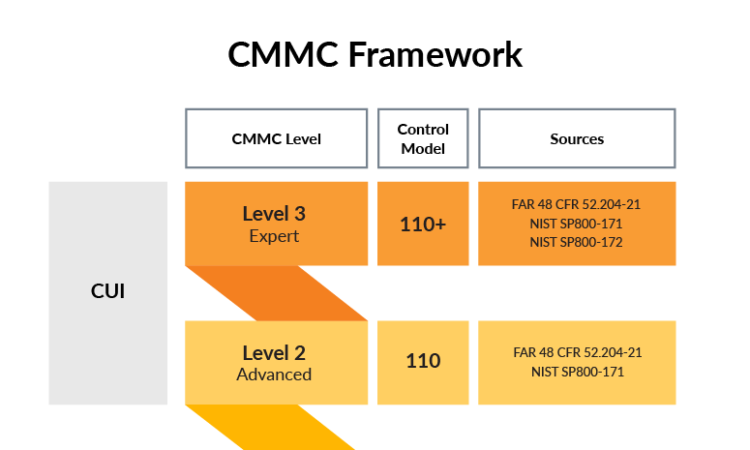
Securing a defense contract often requires more than just meeting technical requirements—it’s about demonstrating trust and reliability in handling sensitive information. With CMMC certification becoming a standard for defense contractors, the level of certification achieved can significantly affect a company’s eligibility and competitiveness. Each level represents a step up in both cybersecurity practices and opportunities within the defense sector.
Eligibility Requirements Tied to Higher Certification Levels
CMMC levels are not just arbitrary benchmarks; they define what types of contracts an organization can pursue. Each level is tied to specific requirements, and higher levels demand more advanced cybersecurity practices. This tiered system ensures contractors meet the necessary safeguards to protect sensitive information.
Organizations aiming for higher-level contracts must undergo rigorous CMMC assessments to prove their readiness. For example, Level 3 certification demonstrates the ability to protect Controlled Unclassified Information (CUI), a requirement for many mid-tier and advanced contracts. Meeting these eligibility requirements may seem challenging, but working with a CMMC consultant and utilizing a detailed CMMC assessment guide can simplify the process. Companies that invest in higher certification levels open doors to more lucrative and strategically important opportunities.
Increased Trust Between Contractors and Government Agencies
Achieving CMMC certification is more than a compliance milestone—it’s a demonstration of trustworthiness. Government agencies need assurance that contractors can handle their sensitive data securely and consistently, and higher certification levels provide that confidence. This trust is essential in building long-term working relationships.
Higher certification levels signal to agencies that an organization is not only compliant but also proactive about cybersecurity. Contractors who invest in robust CMMC assessments and maintain their compliance demonstrate a commitment to protecting national interests. In an industry where trust can make or break a contract, this level of assurance gives certified companies a distinct advantage.
Enhanced Opportunities for Securing Competitive Contracts
In the competitive world of defense contracts, standing out often comes down to meeting and exceeding compliance standards. CMMC certification levels directly impact the types of contracts an organization can pursue, with higher levels offering access to more competitive and high-value agreements.
Defense contractors with advanced certifications, such as Level 4 or 5, have a clear advantage when bidding on contracts that involve sensitive information or complex projects. These certifications demonstrate advanced risk management and cybersecurity protocols, making them more attractive to agencies. Additionally, having higher CMMC levels often leads to less scrutiny during the bidding process, as agencies view certified organizations as low-risk partners.
Improved Data Security Measures in Collaborative Projects
Collaboration is often a cornerstone of defense projects, but it also introduces vulnerabilities. CMMC certification ensures contractors have the necessary safeguards to protect data in a collaborative environment, reducing the risk of breaches and unauthorized access.
For example, Level 3 and above certifications require the implementation of strict data-sharing protocols. These measures allow multiple parties to work together securely, even on highly sensitive projects. Organizations that undergo thorough CMMC assessments and follow a CMMC assessment guide can better manage these collaborative risks. This not only benefits the contractor but also strengthens the entire defense supply chain.
Long-term Cost Savings Through Streamlined Compliance Efforts
While achieving CMMC certification requires an upfront investment, the long-term savings often outweigh the initial costs. Contractors who implement advanced cybersecurity practices as part of their certification process can avoid costly penalties, reduce downtime from potential cyberattacks, and improve overall operational efficiency.
Higher certification levels streamline compliance by incorporating best practices that align with broader cybersecurity frameworks. By working with a CMMC consultant, organizations can identify and address gaps early, avoiding expensive rework or non-compliance fines down the road. These savings not only improve profitability but also make certified contractors more attractive to government agencies looking for dependable, cost-effective partners.
Reduced Risk of Penalties for Non-compliance in Agreements
Failing to meet compliance requirements can lead to severe penalties, including loss of contracts or financial repercussions. CMMC certification levels act as a safeguard against these risks by ensuring contractors meet all necessary standards before entering into agreements.
Organizations with higher certifications reduce the likelihood of non-compliance issues, as they have already demonstrated their adherence to rigorous standards. CMMC assessments help identify vulnerabilities and ensure they’re addressed before they become liabilities. By achieving the appropriate certification level, contractors protect themselves from penalties while reinforcing their reputation as reliable and responsible partners.


