
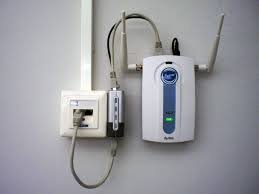
Power over Ethernet, or PoE, is a convenient and cost-effective technology revolutionizing modern network infrastructure. It makes delivering power and connectivity where you need it most easier without extensive rewiring.
What is PoE?
PoE capability enables data and power transmission over a single Ethernet cable. The added flexibility provided by reducing cabling offers several benefits and grants administrators greater freedom when designing or modifying their network setups.
Why should I use PoE?
Power over Ethernet solutions offers several potential advantages:
1. Decreased Costs
Traditional solutions rely on electrical wiring, and should changes need to be made to the network setup, changes may also need to be made to the wiring. This can pose a huge added cost for even minor changes. Because PoE provides data and electricity over a single cable and doesn’t require alterations to electrical wiring, this technology can lower costs.
2. Flexibility and Sustainability
As your business grows, your technology needs may change too. PoE makes it easier to make future changes, whether adding more devices or changing your existing setup. Furthermore, PoE is more sustainable than other solutions, including making scaling easier for your business.
3. Control
You can manage your network with PoE devices from a single, centralized switch. That makes it easier to determine which devices are on at any given time or implement other essential controls. Not only can this feature decrease power costs, but it also provides greater insight into device usage and security across your network.
What are some of the applications of PoE?
A variety of devices support PoE capability, including:
- IP phones.
- Security cameras.
- Wireless access points.
- VoIP phones.
- Computer terminals.
- Laptop connectivity.
If you are looking for an effective solution that will allow you to make the most of your available space and technology, PoE could be the ideal tool.
How far can PoE transmit power and data over an Ethernet cable?
Ethernet cables run a maximum of 295 feet long. Beyond that distance, signal degradation will begin to occur, meaning users will experience speed and reliability issues.
Can this distance be extended?
You can extend PoE connections an additional 32 feet by using a patch cable of up to 16 feet at each end. PoE extender devices can also be added to the setup, allowing greater range and greater overall functionality.
What are the four types of PoE?
The four standard types of PoE include:
- PoE (IEEEE 802.3af standard) provides a max of 15.4 W of power per port.
- PoE+ (IEE 802.3at standard) provides a max of 30 W per port.
- PoE++, Type 3 (IEE 802.3bt, Type 3 standard) provides a max of 60 W per port.
- PoE++, Type 4 (IEE 802.3bt, Type 4 standard) provides a max of 100 W per port.
Which PoE standard you’ll need will depend on the power your users require to perform their the daily tasks while ensuring maximum efficiency from connected devices. Consider how many devices you must attach to each port and always leave room for future growth.
What voltage is PoE?
PoE is available in various voltages, typically between 24 and 57 volts.
Can a PoE network have both PoE and non-PoE devices?
Yes, a PoE network can support both PoE and non-PoE devices. You can use a PoE switch device which will determine whether a device needs power, ensuring electricity is routed to the correct devices. In addition, you can use a PoE injector or midspan to send power to specific devices.
Are there heat rise concerns associated with PoE?
When delivering high-level current through Ethernet cables via PoE capability, it’s normal to see a significant level of heat buildup. The higher the power level or the greater number of devices in use, the more heat the cables are likely to generate. Furthermore, if you choose to bundle cables together, this could compound the risk of heat buildup. Preparing for these risks, including using the right tools and solutions and making sure that you have selected the right power for your network, can go a long way toward mitigating these challenges.
How can I minimize overheating in IEEE 802.3bt devices?
There are several strategies you can use to minimize overheating in your devices.
Cable Management
Cable management tools can help improve airflow around cables, provide ventilation, and prevent heat buildup. Also, consider how your cables are grouped. Large bundles may generate more heat than smaller ones. Looser bundling will allow room for more heat to dissipate.
Cable Types
Shielding cables makes them less likely to transmit heat to other building areas. Furthermore, using the right cable connectors –(those with a solid metal body) can enhance conduction and improve heat dissipation.
Larger Conductors
Sometimes, overheating occurs because of conductor resistance. Choosing a cable with a larger conductor can minimize those impacts.
Is PoE technology safe?
PoE technology is considered extremely safe. Most PoE networks deal with low-voltage power delivery, making them safer than other network technology. However, overheating issues can arise in PoE networks (though only in networks that deliver more than 60 W of power) and this should be addressed to ensure the highest level of safety for users. Working with a reputable PoE provider can make it easier to ensure all your equipment is in line with established standards.
Find a PoE Provider for Your Needs
If you’re ready to implement PoE, look for an experienced PoE solution provider who will understand your specific needs, from the size of your building to which devices are mission critical. Versatek provides PoE solutions including switches, extenders, splitters, and IP cameras.


