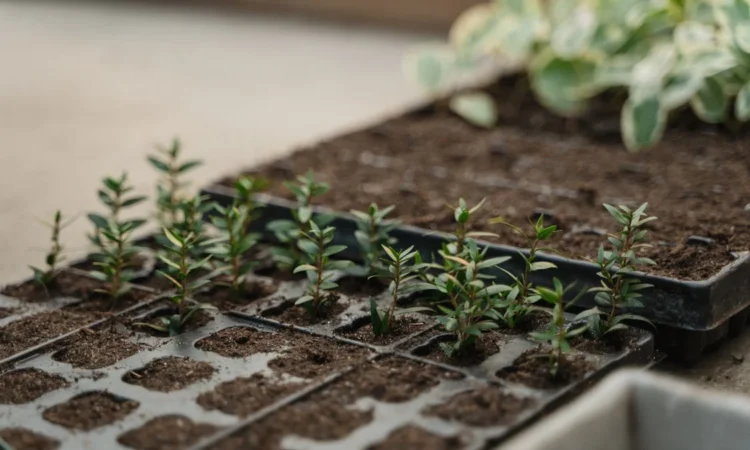
Proper watering techniques are critical for establishing robust root systems and promoting vigorous growth in newly planted trees, shrubs, and other vegetation. During the initial years after transplantation, these young plants heavily rely on supplemental moisture to thrive in their new environment. This comprehensive guide delves into the intricacies of watering regimens, offering practical insights to nurture your plants’ development effectively.
Plants can only absorb water through their root systems, rendering foliar watering ineffective. To ensure optimal hydration, direct the water flow toward the base of the plant, allowing the moisture to seep into the soil gradually. Soaker hoses and targeted watering wands prove more efficient than sprinklers, as the latter may be obstructed by foliage or structures, leading to uneven distribution.
Assessing Soil Moisture Levels
Monitoring soil moisture levels is crucial to determine when watering is necessary. Use a trowel to dig a few inches below the surface; if the soil feels dry at this depth, it’s time to water. As a general guideline, most plants require approximately one inch of water per week to saturate the soil six inches deep. However, this requirement may escalate during periods of intense heat or drought.
Deep Watering for Robust Roots
Light and frequent watering promote shallow root growth, making plants more susceptible to drought stress. Instead, aim for deep, infrequent watering sessions that saturate the soil to a depth of six inches or more. This approach encourages the development of an extensive, deep-reaching root system, enhancing the plant’s ability to access and retain moisture effectively.
Accommodating Young Plants’ Needs
Newly transplanted trees and shrubs have limited root systems, necessitating more frequent watering until their roots become established. During the first two growing seasons, young plants may require supplemental watering once or twice weekly to prevent any portion of the root ball from drying out.
Quantifying Water Requirements
The amount of water needed in gardens varies according to the plant’s size. As a general rule, small shrubs require 2-3 gallons per watering session, larger shrubs need 3-5 gallons, and small trees demand 5-8 gallons. Adjust the quantities accordingly for larger trees and more substantial plantings.
Watering Techniques
Several practical techniques can be employed to deliver water effectively:
- Slow Trickle: Position a hose at the base of the plant, allowing water to trickle slowly and soak the root mass thoroughly.
- Bucket Watering: Gradually pour large buckets of water around the plant, permitting each bucket’s contents to absorb fully before proceeding.
- Drip Irrigation: Install a dripper hose on a timer, alleviating the need for manual watering and ensuring consistent moisture delivery.
- Targeted Watering: For perennials, identify drought-tolerant varieties (e.g., Sedum, Coneflower, Yarrow) and those requiring regular watering. Use a watering can or a gentle hose trickle directed at the base to hydrate moisture-loving plants effectively.
Establishing Healthy Roots and Growth in Cannabis Farming
When cultivating cannabis, fostering robust root development in young seedlings is paramount for achieving optimal growth and yields. Most cannabis growers prefer feminized weed seeds to ensure a uniform crop of female plants, renowned for their superior potency and resin production. These seeds undergo a specialized process that induces female flowering characteristics, enabling growers to maximize their efforts and resources.
Nurturing healthy cannabis roots from the outset is crucial, as a strong foundation supports the plant’s overall vigor and resilience. Proper watering techniques play a pivotal role in this endeavor. Consistent moisture levels, achieved through deep, infrequent waterings, promote extensive root growth and prevent the formation of stunted, shallow root systems.
Accounting for Rainfall
While rainfall may seem sufficient, light showers often fail to penetrate deeply enough to saturate the root ball adequately. Utilize a rain gauge or weather app to track weekly precipitation totals, ensuring that established plants receive at least one inch of water weekly, supplementing with additional watering as needed
Avoiding Detrimental Watering Practices
Certain watering strategies can harm plant health:
- Frequent, Shallow Watering: This approach promotes surface root development, rendering plants vulnerable to drying out during water deficits.
- Persistent Oversaturation: Maintaining excessively wet soil conditions depletes oxygen levels, which can be detrimental to plant life. Allow the soil to partially dry between waterings.
Continuing Watering Efforts
Even as temperatures cool and morning dew appears on the grass, it is crucial to maintain supplemental watering until the ground freezes. Most plants thrive with deep, infrequent waterings rather than frequent, shallow applications.
Monitoring Growth and Adjusting Watering Needs
As cannabis plants progress through their vegetative and flowering stages, their water requirements may fluctuate. Attentive monitoring of soil moisture levels and plant indicators, such as leaf appearance and overall vitality, can guide adjustments to the watering regimen. Overwatering or underwatering can lead to issues like nutrient deficiencies, root rot, or stunted growth, emphasizing the importance of striking the right balance.
Enhancing Drainage and Aeration
Proper drainage and aeration are essential for preventing waterlogged conditions, which can suffocate roots and encourage the proliferation of harmful pathogens. Incorporating well-draining soil amendments and ensuring adequate drainage in containers or grow beds can mitigate these risks and promote a healthy root environment for cannabis plants.
Conclusion
Establishing a robust root system is pivotal for the long-term health and productivity of newly planted trees, shrubs, and other vegetation, including cannabis crops. By implementing thoughtful watering practices, monitoring soil moisture levels, and adjusting techniques as plants mature, growers can nurture vigorous root growth and lay the foundation for thriving plant life. Remember, deep, infrequent waterings are generally preferable to frequent, shallow applications, promoting resilient root systems capable of withstanding environmental stressors and supporting optimal plant development.