
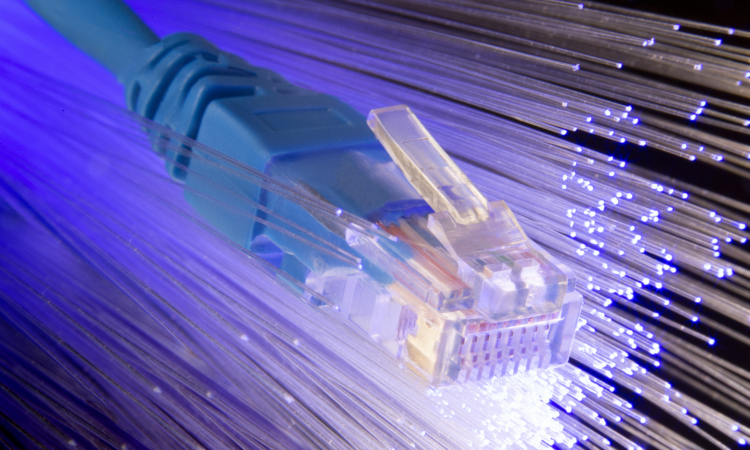
Fiber optic technology offers versatile benefits for modern connectivity. Its high-speed transmission, immunity to electromagnetic interference, and long-distance capabilities make it ideal for various applications, from telecommunications to internet services.
An Overview of Fiber Optic Technology
The digital age requires cutting-edge solutions to handle vast amounts of data reliably and quickly. Enter fiber optic technology, a game-changer in the realm of connectivity. Unlike traditional metal-based cables, fiber optics use glass or plastic threads to transmit data through light signals. Their capacity to transmit vast amounts of data over long distances without appreciably sacrificing speed or quality makes them stand out. Their high capacity for bandwidth and immunity to electromagnetic interference make them a core component in modern communication infrastructures, from internet service providers to corporate data centers.
The Role of Fiber Optics in Network Design
Network designers increasingly rely on fiber optics for modern network design, prioritizing performance, longevity, and adaptability. Fiber optics outshine copper cables due to their ability to transmit data over longer distances without signal degradation and their immunity to electromagnetic interference. This technology meets today’s demands and provides a scalable infrastructure for future expansion in network cabling & wiring.
Expanding Broadband Access with Fiber Optics
The quest to bridge the digital divide hinges on expanding high-speed broadband access, where fiber optic technology shines. It is a pillar for providing equitable internet services across diverse communities, propelling educational, economic, and social growth. Governments and corporations globally recognize fiber optics as the key to delivering broadband services that can effortlessly scale to support future technologies such as 5G and the Internet of Things (IoT), ultimately improving the socio-economic fabric across urban and rural regions.
Accessibility and expansion of broadband are especially pertinent issues today. For a detailed discussion, the FCC’s Broadband Deployment Report offers a comprehensive view of broadband accessibility challenges and progress.
Innovations in the Fiber Optic Market
The fiber optic market thrives on continuous innovation that drives the technology forward. New developments such as bend-insensitive fibers allow for greater installation flexibility, minimizing loss and disruption of service. The multi-core fibers innovation is pushing the boundary of how much data can be transferred simultaneously, holding promise for a future where data limitations become a thing of the past. In light of these changes, the fiber optics industry is expanding significantly as people prepare for more technological breakthroughs that will continue influencing how we connect with and rely on data.
In terms of industry dynamics and future trends, the fiber optics market is exploding, as confirmed by a study available on PR Newswire. The report provides a comprehensive market analysis, highlighting growth sectors and future market predictions.
Ensuring Data Security Through Fiber Optics
Fiber optics’ inherent security features make them a reliable channel for sensitive communication when security breaches are more frequent and data is more precious than ever. The nature of light-based transmission in fiber cables prevents interference and ensures only the intended recipient receives the data. Any attempt to intervene in the transmission can be quickly detected, thanks to sophisticated monitoring systems that track the signal’s integrity. This adds another degree of protection, giving businesses handling sensitive data piece of mind.
The Environmental Impact of Fiber Optics
Among the many advantages of fiber optics, their environmental impact is often undervalued. These innovative cables offer energy efficiency by needing less power than traditional copper cables. They have a lower carbon footprint when deployed and lower transportation expenses because they are lighter and thinner. Additionally, fiber optic cables have a longer lifespan and are more durable, which means less frequent need for replacement and less waste generated.
Critical Factors in Choosing Fiber Optic Solutions
When implementing fiber optic solutions, decision-makers must consider a spectrum of factors beyond the point of purchase. The initial cost must be assessed in light of the long-term savings that come with minimal maintenance requirements and the absence of expensive upgrades. Integration with existing systems, the complexity of installation, and the availability of qualified technicians to handle setup and troubleshooting are also crucial factors. The decision further hinges on the support a fiber optic provider can offer, evidenced by their track record and customer service responsiveness.
When all these benefits and factors are considered, fiber optic technology is unrivaled in securing a connected future. By adopting fiber optic solutions, communities and businesses position themselves at the forefront of a rapidly evolving digital landscape, ready to harness the full potential of what connectivity can offer.


