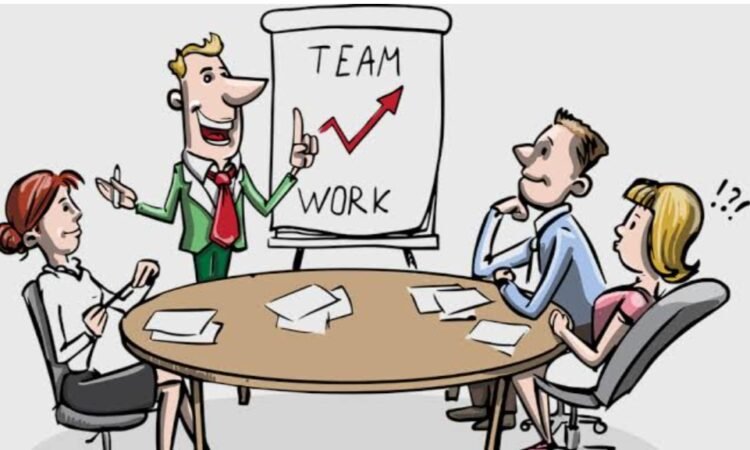
In the ever-changing world of managing projects, achieving success depends much on good planning and carrying out plans well but also on getting active participation and help from stakeholders. These people or groups include everyone from those who give money for the project and work in the team to partners outside of it and final users; they are very important in deciding how a project turns out. Organizations should put money and effort into training programs for stakeholders to make sure they can contribute in a valuable way.
Understanding the Importance of Stakeholder Training
Stakeholders contribute different viewpoints, skills, and desires to a project. Yet, if they do not fully grasp the project’s aims, duties, and what is expected of them, it might be hard for them to match their work with the goals of the organization or to work together well with other stakeholders. Here is where training and developing stakeholders become important, giving them the knowledge, abilities, and resources necessary to understand all the complicated parts of a project’s environment and make choices that help in making the project successful.
Enhancing Stakeholder Understanding
Central to teaching and growing stakeholders is the aim to improve their grasp of project aims, what it wishes to achieve, and what is anticipated. It means giving them knowledge about the extent of the project, when things will happen, how much money is involved, and main outcomes; also making clear what they are supposed to do in context of the project plan. When organizations give stakeholders this basic knowledge, they help to make sure everyone involved in the project understands and agrees on the goals, which creates a common purpose.
Facilitating Virtual Learning
Community engagement software involved in the community provides various functions and instruments to help with online learning projects. This includes webinars that are interactive, courses on the internet, classrooms that exist in virtual space, and places for people to have discussions online. These platforms give those involved chances to learn in a way that is both easy to reach and adaptable. Stakeholders have the ability to join training programs from any place if they have an internet connection, which makes it more flexible and convenient.
Empowering Stakeholder Collaboration
Good cooperation is very important for the success of a project, and teaching the stakeholders is key in making this cooperation happen. When stakeholders learn about how significant it is to work as a team, communicate well, and solve disagreements, organizations can create an environment where people collaborate beyond the limits of their own departments or groups. Training programs for stakeholders might have workshops, seminars or activities to build teams which help make stronger connections, create trust and encourage everyone to talk freely with each other.
Building Stakeholder Confidence
Having confidence is very important for successfully engaging with stakeholders. Programs that focus on training and development can give stakeholders the skills and knowledge they require to be good at their jobs. These programs might include learning how to use new tools or technologies, improving leadership abilities, or getting a better grasp of the top methods used in the industry. The aim of these training activities is to make sure stakeholders feel ready and able to tackle new tasks confidently and with strength.
Driving Stakeholder Engagement and Ownership
Engaging with stakeholders is not just a single event, but it’s an ongoing activity that needs constant work and resources. By giving focused training and growing their skills, companies can build feelings of responsibility in the stakeholders. This makes them feel more involved and helps them to add positively to the success of projects. When organizations include stakeholders in making decisions, ask for their opinions and acknowledge what they have done, it helps to create a feeling that everyone owns the project together and is dedicated to reaching its goals.
Measuring Training Effectiveness
Organizations need to set up ways to measure how well their training and development programs for stakeholders are working. They might do this by checking the knowledge and skills of stakeholders before and after training, asking for opinions from those who took part in the training to see where it could be better, and watching important signs that show if stakeholder involvement and project results are getting better. Organizations that regularly assess and improve their training programs can make the effect of stakeholder education better, leading to ongoing enhancements in how projects are completed.
Conclusion
In the business world now, which is very complicated and always changing, it’s really important to work well with everyone involved in a project if you want it to succeed. When companies teach their stakeholders better skills and give them what they need for this, these people can help a lot more in making the project go well. Improving how stakeholders understand and work together, as well as building their confidence and feeling of ownership, is very important because it makes them more involved. This involvement is key for meeting the goals of a project. As companies keep realizing that managing stakeholders well helps projects succeed, they see that putting money into training these stakeholders is a smart move to perform better than others in the market.