
Deciphering PEM Electrolyzer Components: Essential Insights for Sustainable Hydrogen Production
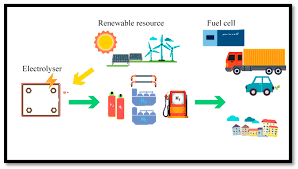
The quest for sustainable energy sources has driven intense research into hydrogen production methods. Among these, Proton Exchange Membrane (PEM) electrolysis stands out as a promising technology. It offers efficient conversion of water into hydrogen and oxygen using renewable energy sources like solar or wind power. Understanding the components of PEM electrolyzers is crucial for optimizing their performance and advancing towards a greener future.
Proton Exchange Membrane (PEM): The Heart of Electrolysis
At the core of PEM electrolyzers lies the proton exchange membrane. This thin, selective barrier allows protons to pass through while blocking electrons, facilitating the electrochemical reaction. Typically made from perfluorinated sulfonic acid materials like Nafion, the PEM ensures high conductivity and durability under harsh operating conditions. Its efficiency directly impacts the electrolyzer’s overall performance and longevity.
Electrodes: Catalysts for Hydrogen Evolution Reaction
Electrodes play a pivotal role in PEM pem electrolysis by catalyzing the hydrogen evolution reaction (HER) and oxygen evolution reaction (OER). Platinum-based catalysts are commonly used for HER due to their high activity and stability. However, their cost and scarcity pose challenges for large-scale deployment. Researchers are exploring alternative catalysts, including non-precious metals and metal oxides, to mitigate these limitations without compromising performance.
Current Collectors and Bipolar Plates: Ensuring Uniform Distribution
Current collectors and bipolar plates are essential components that facilitate the even distribution of electrical current across the electrode surfaces. They prevent localized hotspots and ensure uniform electrolyte flow, maximizing the utilization of active catalyst sites. Materials with high electrical conductivity, corrosion resistance, and mechanical strength are preferred for these components to maintain efficiency and reliability over prolonged operation.
Water Management Systems: Maintaining Optimal Moisture Levels
Effective water management is critical for PEM electrolyzers to maintain optimal membrane hydration levels and prevent dehydration or flooding. Water management systems regulate the flow of reactants and byproducts, removing excess water from the cathode and supplying it to the anode. Advanced designs incorporate features like hydrophobic coatings and microchannels to enhance water transport while minimizing parasitic losses and membrane degradation.
Gas Diffusion Layers (GDLs): Enhancing Mass Transfer
Gas diffusion layers (GDLs) facilitate the transfer of gases between the electrodes and the PEM while providing mechanical support. Typically composed of carbon fiber materials, GDLs possess high porosity and permeability, enabling efficient gas diffusion and rapid reaction kinetics. Optimizing GDL properties, such as pore size distribution and hydrophobicity, is essential for minimizing mass transport limitations and maximizing electrolyzer performance.
Control and Monitoring Systems: Ensuring Operational Stability
Control and monitoring systems play a crucial role in maintaining operational stability and optimizing PEM electrolyzer performance. Real-time monitoring of parameters like temperature, pressure, and voltage enables early detection of abnormalities and facilitates proactive maintenance. Advanced control algorithms adjust operating conditions dynamically to accommodate variations in feedstock quality, ambient conditions, and power input, ensuring consistent hydrogen production with minimal energy consumption.
Conclusion
Deciphering the components of PEM electrolyzers provides valuable insights into the intricacies of sustainable hydrogen production. From the proton exchange membrane to the control and monitoring systems, each component plays a vital role in ensuring efficiency, reliability, and scalability. Continued research and innovation in materials science, electrochemistry, and system engineering are essential to overcome existing challenges and unlock the full potential of PEM electrolysis for a cleaner, greener future. By harnessing renewable energy sources and advancing electrolyzer technology, we can pave the way towards a hydrogen economy that promises energy security and environmental sustainability for generations to come.


