
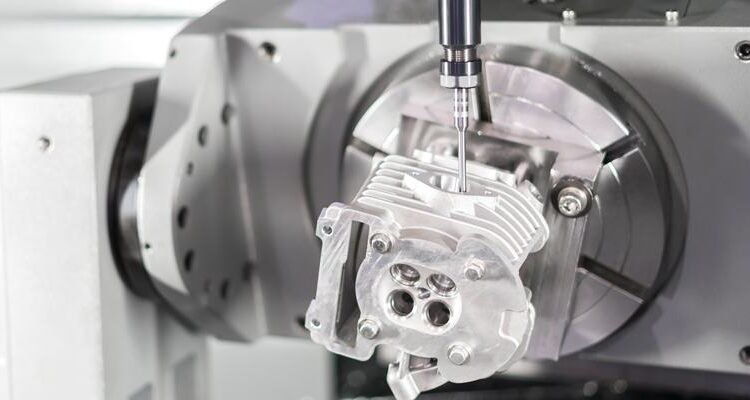
CNC machining aluminum parts has become a cornerstone in manufacturing, offering exceptional precision, durability, and versatility across a wide range of industries. This comprehensive guide delves into the intricacies of CNC machining aluminum parts, including its process, advantages, applications, quality standards, technological advancements, and future prospects.
Understanding CNC Machining Aluminum Parts
CNC machining aluminum parts involves the use of Computer Numerical Control (CNC) machines to fabricate precise components from aluminum materials. The process begins with digital CAD (Computer-Aided Design) models that guide CNC machines to cut, mill, drill, and shape aluminum blocks or extrusions into finished parts. CNC machining ensures high accuracy, tight tolerances, and repeatability in producing aluminum components with complex geometries.
Advantages of CNC Machining Aluminum Parts
1. High Precision: CNC machines offer exceptional precision and accuracy, allowing for tight tolerances and intricate designs in aluminum parts.
2. Versatility: Aluminum is a versatile material suitable for a wide range of applications, including automotive, aerospace, electronics, medical, and industrial sectors.
3. Lightweight yet Durable: Aluminum parts exhibit a high strength-to-weight ratio, making them ideal for applications requiring lightweight yet durable components.
4. Corrosion Resistance: Aluminum naturally forms a protective oxide layer, providing excellent corrosion resistance, particularly in harsh environments.
5. Thermal Conductivity: Aluminum’s excellent thermal conductivity makes it suitable for heat sinks, electronic enclosures, and components requiring efficient heat dissipation.
Applications of CNC Machining Aluminum Parts
CNC machining aluminum parts find applications in various industries, including:
· Automotive: Engine components, transmission parts, chassis components, brackets, and heat exchangers.
· Aerospace: Aircraft components, structural parts, interior fittings, engine housings, and UAV (Unmanned Aerial Vehicle) components.
· Electronics: Enclosures, heat sinks, connectors, housings, and mounting brackets for electronic devices and assemblies.
· Medical: Surgical instruments, equipment housings, medical device components, and implants made from biocompatible aluminum alloys.
· Industrial: Machinery parts, tooling, prototypes, fixtures, and components for industrial equipment and machinery.
Quality Standards in CNC Machining Aluminum Parts
Top manufacturers adhere to stringent quality standards and certifications to ensure the highest quality aluminum parts, including:
· ISO 9001: Quality Management System standards for consistent quality, process control, and customer satisfaction.
· AS9100: Aerospace Quality Management System standards specific to the aerospace industry, ensuring compliance with CNC machining aluminum parts aviation requirements.
· ISO/TS 16949: Quality Management System standards specific to the automotive industry, emphasizing quality and continuous improvement in automotive manufacturing.
Technological Advancements in CNC Machining Aluminum Parts
Technological advancements in CNC machining aluminum parts include:
· Advanced CNC Machines: Utilization of high-speed CNC machining centers, multi-axis machines, and robotic automation for enhanced productivity and efficiency.
· CAD/CAM Software: Integration of advanced CAD/CAM software for precise toolpath generation, simulation, and optimization of machining processes.
· Tooling and Cutting Strategies: Implementation of optimized tooling, cutting strategies, and coolant systems for improved surface finish, tool life, and chip control.
· Aluminum Alloys: Innovations in aluminum alloys, including aluminum-magnesium, aluminum-silicon, and aluminum-zinc alloys, for enhanced performance and properties.
Future Prospects of CNC Machining Aluminum Parts
The future of CNC machining aluminum parts looks promising, with trends indicating:
· Advanced Materials: Development of lightweight, high-strength aluminum alloys and composites for specialized applications in aerospace, automotive, and high-tech industries.
· Additive Manufacturing Integration: Fusion of CNC machining with additive manufacturing techniques for hybrid manufacturing processes, enabling complex geometries and design freedom.
· Smart Manufacturing: Integration with Industry 4.0 technologies such as IoT, data analytics, and automation for smart, connected, and efficient manufacturing operations.
· Sustainability: Emphasis on sustainable practices, recycling of aluminum materials, and energy-efficient machining processes to minimize environmental impact.
In conclusion, CNC machining aluminum parts offers unparalleled precision, versatility, and performance across diverse industries. With continuous technological advancements, adherence to quality standards, and a focus on innovation, CNC machining of aluminum parts is poised to drive advancements in manufacturing, engineering, and product development for years to come.


