
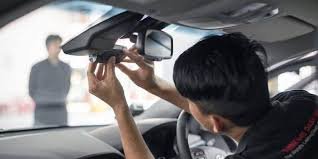
In recent years, the proliferation of surveillance technology has sparked questions and concerns about privacy in various aspects of daily life. Among the areas of interest is the rental car industry, where travelers often find themselves behind the wheel of vehicles equipped with various features and technologies. One common question that arises is whether rental cars are equipped with cameras, leading to speculation and uncertainty among renters about the extent of surveillance in their rental vehicles.
Navigating Privacy in the Rental Car Industry
Privacy has become a central concern in the digital age, with individuals increasingly wary of surveillance and data collection in various contexts. In the rental car industry, where customers often rely on vehicles for temporary transportation, questions about privacy and surveillance have become particularly relevant. As technology continues to advance, it’s essential to understand the implications of surveillance in rental cars and how it may impact renters’ privacy rights.
Understanding the Role of Surveillance Technology
Surveillance technology in rental cars can serve various purposes, ranging from enhancing driver safety to protecting against theft and vandalism. Common types of surveillance technology found in rental cars include dashcams, backup cameras, and GPS tracking systems. While these technologies can offer benefits such as improved driving visibility and security, they also raise questions about privacy and surveillance, particularly regarding the collection and use of renters’ personal data.
The Presence of Cameras in Rental Cars: Fact vs. Fiction
One common question among renters is whether rental cars are equipped with cameras. The answer to this question is not straightforward, as it depends on various factors such as the make and model of the vehicle, the policies of the rental company, and the specific features included in the rental agreement. While some rental cars may be equipped with cameras for safety or security purposes, not all vehicles will have this feature. It’s essential for renters to inquire with the rental company about the presence of cameras and their purposes before agreeing to rent a vehicle.
Safety and Security Features: Understanding the Purpose of In-Car Cameras
In-car cameras in rental cars can serve multiple purposes related to safety and security. Dashcams, for example, may be used to record footage of the road ahead, providing a record of the journey and potentially capturing any incidents or accidents that occur. Backup cameras assist drivers in parking and maneuvering in tight spaces, reducing the risk of collisions and property damage. Additionally, some rental companies may use cameras for vehicle tracking and anti-theft purposes, enhancing the security of their fleet.
Privacy Concerns: Balancing Safety and Surveillance
While surveillance technology in rental cars can enhance safety and security, it also raises concerns about privacy and surveillance. Renters may feel uncomfortable knowing that their movements and behaviors are being monitored, especially if they are unaware of the presence of cameras or the extent of surveillance in the vehicle. Additionally, questions may arise about the collection, use, and storage of renters’ personal data captured by in-car cameras, do rental cars have cameras highlighting the need for transparency and accountability in the use of surveillance technology.
Transparency and Disclosure: Rental Companies’ Responsibilities
Rental companies have a responsibility to be transparent about the presence of surveillance technology in their vehicles and the purposes for which it is used. Clear communication and disclosure about the presence of cameras, their locations, and how data is collected and used can help renters make informed decisions and feel more comfortable with the rental process. Rental companies should also provide renters with options for opting out of camera-enabled vehicles if they have privacy concerns.
Legal Considerations: Privacy Laws and Regulations
From a legal standpoint, the use of surveillance technology in rental cars raises questions about privacy laws and regulations. Rental companies must adhere to relevant privacy laws and regulations governing the collection, use, and storage of renters’ personal data, including any footage or recordings captured by in-car cameras. Renters also have rights regarding their privacy and data protection, which rental companies must respect and uphold. Understanding these legal considerations is essential for both rental companies and renters to ensure compliance and protect individuals’ privacy rights.
Consumer Awareness: Educating Renters About Surveillance
Consumer awareness and education play a crucial role in addressing concerns about surveillance in rental cars. Rental companies can take proactive steps to educate renters about the presence of surveillance technology, its purposes, and how data is handled to alleviate concerns and build trust. Similarly, renters should take the time to familiarize themselves with the terms and conditions of their rental agreements and ask questions about any surveillance technology before agreeing to rent a vehicle.
Mitigating Privacy Risks: Steps for Rental Companies and Renters
To address privacy concerns associated with surveillance technology in rental cars, rental companies and renters can take steps to mitigate risks and protect individuals’ privacy rights. Rental companies should implement clear policies and procedures for the use of surveillance technology, obtain consent from renters where required, and securely store and dispose of data in accordance with privacy regulations. Renters, meanwhile, can take precautions such as covering or disabling cameras when not in use and being mindful of their surroundings to protect their privacy while driving a rental car.
The Future of Surveillance in Rental Cars: Emerging Trends and Ethical Considerations
As technology continues to evolve, the future of surveillance in rental cars is likely to evolve as well. Advances in artificial intelligence, machine learning, and sensor technology may further enhance the capabilities of in-car cameras, raising new ethical and privacy considerations. Questions about consent, transparency, and accountability will become even more critical as surveillance technology becomes more sophisticated and ubiquitous in vehicles. Balancing the potential benefits of enhanced safety and security with the need to respect individuals’ privacy rights will be essential for navigating this rapidly evolving landscape.
Conclusion: Navigating Privacy and Surveillance in Rental Cars
In conclusion, the presence of cameras in rental cars raises important questions about privacy, surveillance, and consumer rights. While surveillance technology can enhance safety and security for both renters and rental companies, it also raises concerns about transparency, consent, and data privacy. By fostering transparency, educating consumers, and implementing clear policies and procedures, rental companies can mitigate privacy risks and build trust with renters. Similarly, renters should take steps to understand their rights and protections regarding surveillance in rental cars and take precautions to protect their privacy while driving. As technology continues to advance, it’s essential for all stakeholders to navigate the intersection of privacy and surveillance thoughtfully and ethically to ensure that individuals’ rights and interests are protected.


