
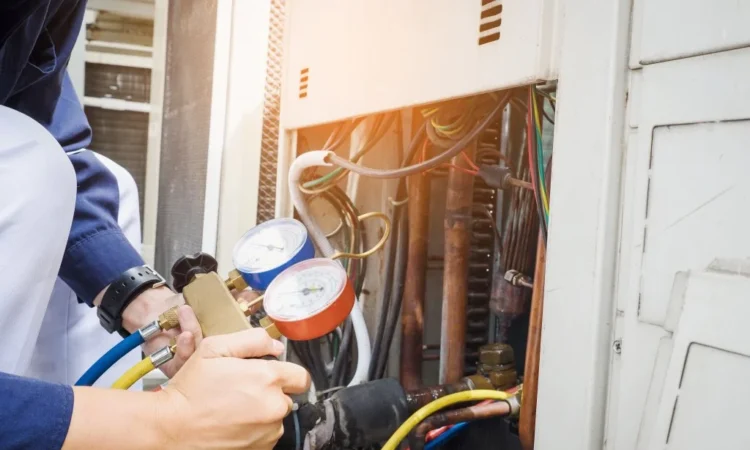
The decision to install a new furnace in your home is not one to be taken lightly, requiring a thorough evaluation of several key factors. These include understanding energy efficiency ratings, correctly sizing the furnace, considering the local climate, and evaluating both the installation and long-term maintenance costs.
The following discussion will offer a deeper exploration into these considerations, providing you with the necessary knowledge to make an informed decision. The question that remains is, are you ready to navigate the complexities of furnace installation in Palo Alto?
Understanding Energy Efficiency Ratings
Often, one of the most critical factors to consider before installing a new furnace is understanding the energy efficiency ratings, which are instrumental in determining the appliance’s operational cost and environmental impact.
A furnace’s energy efficiency rating is typically expressed as an Annual Fuel Utilization Efficiency (AFUE) percentage, which signifies the amount of fuel converted into heat in a year.
When considering energy source options, the most common are gas, oil, and electricity. Gas furnaces tend to have higher AFUE ratings, making them more efficient and cost-effective, while oil furnaces offer robust heating capabilities but with lower efficiency. Electric furnaces, although boasting near 100% efficiency, can lead to higher operational costs due to electricity prices.
Efficiency improvements are a pivotal aspect of modern furnace systems. High-efficiency models incorporate advanced technology such as variable speed blowers and two-stage gas valves to enhance the furnace’s performance, thus improving its AFUE rating.
Moreover, sealing and insulating your home’s ductwork can also contribute to efficiency improvements, reducing heat loss and lowering energy consumption.
Sizing the Furnace for Your Home
In addition to understanding the energy efficiency ratings, correctly sizing the furnace for your home is another vital factor to consider before installation. The correct size ensures optimal performance, efficiency, and longevity of the furnace.
Furnace types vary greatly in size and capacity, ranging from smaller, single-room units to large, central heating systems capable of warming an entire building. Your choice will largely depend on the size of your home and your specific heating needs.
Fuel options also play a critical role in sizing your furnace. Natural gas furnaces tend to be larger, requiring more space, while electric furnaces can be more compact. Moreover, the energy content of the fuel type can influence the furnace size.
For example, propane and oil furnaces often need to be larger to provide the same amount of heat as a natural gas furnace.
To determine the right size, professionals often perform a load calculation, considering factors such as the home’s square footage, insulation levels, and window size. It’s advisable to seek expert help in this process to avoid under-sizing or oversizing, which can lead to inefficiencies and increased energy costs.
Considering Your Climate Type
Your geographic location and the type of climate you experience also significantly influence the choice of furnace you should install in your home. Climate adaptation is a crucial factor in this decision-making process, as the furnace should be capable of effectively and efficiently heating your home, even during the most extreme temperature conditions.
Considering your climate type involves understanding several critical aspects:
- Temperature Variability: The range of temperatures your location experiences throughout the year.
- Extreme Weather Conditions: The frequency and severity of extreme weather events, such as blizzards or heatwaves.
- Humidity Levels: The regular humidity levels in your area which can affect the efficiency of the furnace.
- Seasonal Changes: The length and severity of different seasons, including the intensity of the winter season.
These factors, when considered in tandem with your home’s size and insulation, will dictate the type of furnace best suited to your needs. A furnace that is well-adapted to your climate type will not only provide comfortable and consistent heating but also contribute to lower energy costs and longer equipment life.
Evaluating Installation Costs
The financial aspect of a new furnace installation in Palo Alto, an integral part of the consideration process, involves a thorough evaluation of both upfront and long-term costs. The initial investment encompasses not only the cost of the unit itself but also the labor charges for installation and any necessary modifications to your home’s infrastructure.
When assessing these costs, it is crucial to explore warranty options and financing possibilities. Warranty options can vary significantly between manufacturers and models, with some offering comprehensive coverage that includes parts and labor, while others may only cover specific components.
A strong warranty can significantly mitigate potential future expenses, making it a key factor in your overall cost assessment.
Equally important are the financing possibilities. Many companies offer financing plans that allow you to spread the cost of the new furnace over a set period, reducing the immediate financial burden. Some may even offer promotional interest rates or deferred payments, making the investment more manageable.
However, it’s essential to read the fine print and fully understand the terms of your financing agreement. Keep in mind that while financing can ease the initial cost, it could potentially result in higher long-term expenses due to interest. An informed decision will ensure the best value for your investment.
Maintenance and Long-Term Costs
Beyond the initial investment, ongoing maintenance and long-term operational costs form a significant part of furnace ownership expenses. To manage these costs effectively, it is crucial to understand their components and influencing factors.
Here are a few key considerations:
- Warranty coverage: A comprehensive warranty can cover parts and labor costs for repairs, significantly reducing your out-of-pocket expenses. It’s essential to understand the terms and duration of your furnace’s warranty.
- Preventative measures: Regular maintenance can prevent costly breakdowns and extend your furnace’s lifespan. This includes routine cleaning, filter replacement, and professional inspections.
- Energy efficiency: High-efficiency furnaces may cost more upfront but can save money in the long run through lower energy bills.
- Replacement parts: The cost and availability of replacement parts can vary, impacting the long-term maintenance costs.
Conclusion
In conclusion, factors such as energy efficiency ratings, appropriate sizing, climate type, installation costs, and long-term maintenance expenses are pivotal when considering a new furnace installation in Palo Alto.
Making an informed decision can ensure not only a comfortable and warm environment but also significant savings in terms of energy and maintenance. Therefore, thorough research and careful deliberation are instrumental before embarking on this crucial home improvement venture.


