
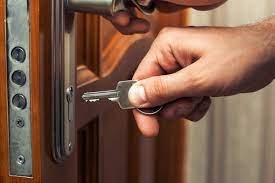
Residential lock problems can be a frequent source of frustration. Whether it’s a stuck key, a jammed lock, or a misaligned deadbolt, these issues can disrupt your daily routine and compromise your home’s security. Undoubtedly, these are problems that require immediate attention.
In the proceeding discussion, we will be examining these common lock issues, along with seven others, and providing practical and effective methods to resolve them, ensuring that your lock-related concerns are efficiently attended to.
Stuck Key: Simple Solutions
While encountering a stuck key in your residential lock can be frustrating, there are a few straightforward solutions you can try to rectify the problem before resorting to a professional residential locksmith in Denver services. One of the most effective is utilizing key extraction techniques.
These methods involve carefully manipulating the key to free it from the lock without causing damage. For instance, you might gently jiggle the key while applying a slight turning pressure, or use specialized tools like broken key extractors if you have them at your disposal.
Another advisable solution is the application of a lubricant. Lubrication benefits are manifold in this situation. Firstly, lubricants reduce the friction between the key and the lock mechanism, making it easier to turn or withdraw the key.
Secondly, they can help dislodge any debris or dirt that may be causing the key to stick. Silicone-based lubricants, graphite lubricants, or even household items like WD-40, can be used for this purpose.
Addressing a Jammed Lock
Similar to a stuck key, a jammed lock poses a common yet solvable problem for homeowners, often requiring a keen understanding of lock mechanisms and a practical approach to resolve. Regular lock maintenance and understanding lubrication techniques can significantly alleviate the issue and prolong the lock’s lifespan.
Here are several steps to effectively address a jammed lock:
- Inspect the Key: Sometimes, the problem lies with the key, not the lock. If the key is bent or damaged, it may not function properly.
- Clean the Lock: Over time, dirt and grime can accumulate inside the lock, causing it to jam. A thorough cleaning can often fix the problem.
- Lubricate the Lock: Use a graphite or silicone-based lubricant to help the lock mechanism function smoothly. Never use oil-based lubricants as they can attract more dirt.
- Loosen the Lock: If the lock is too tight, it can become jammed. Loosening the lock slightly can help.
- Seek Professional Help: If all else fails, it may be time to call a residential locksmith in Denver. They can diagnose and fix the problem without causing further damage.
Fixing a Loose Door Knob
Beyond the complications of a jammed lock, homeowners often face another common issue: a loose door knob, which can compromise both security and convenience. It’s a problem that often arises from prolonged use, improper installation, or poor knob material selection.
Addressing this issue requires careful evaluation of the knob. If the issue is due to wear and tear, consider the knob material selection during replacement. Brass knobs are known for durability while stainless steel provides a sleek, modern aesthetic.
However, if the problem is a result of improper installation, you might simply need to tighten the set screw located on the knob’s shaft using a screwdriver.
In some cases, a loose knob indicates a larger problem with the lock mechanism itself. If this is the case, it would be prudent to consult a locksmith or consider upgrade opportunities. Upgrading to a higher quality lockset not only resolves the loose knob issue, but it can also significantly improve your home’s security.
Deadbolt Won’t Turn: Easy Fixes
Occasionally, homeowners may encounter a stubborn deadbolt that refuses to turn, presenting a frustrating yet common problem that often has straightforward solutions. This situation can be due to a variety of reasons, including incorrect installation or a lack of deadbolt lubrication.
Understanding the potential issues can be helpful in diagnosing and resolving the problem. Here are a few possible reasons for your deadbolt’s stubbornness:
- The deadbolt is incorrectly installed, causing misalignment with the strike plate
- The lock mechanism is jammed due to dirt or debris
- The key is worn out, preventing it from effectively engaging the lock mechanism
- The deadbolt requires lubrication to function smoothly
- The lock mechanism has become worn or damaged over time
To address these issues, assess the alignment of your lock and strike plate. If it’s off, adjust as necessary. A can of compressed air can help remove any debris within the lock. Consider replacing an old or worn key, and remember that a good quality lock lubricant can restore smooth operation to a stiff deadbolt. Should the lock mechanism itself be worn or damaged, a professional residential locksmith in Denver may be required.
Tackling a Broken Key Inside Lock
Another common residential lock issue that homeowners may encounter is a broken key lodged within the lock, a predicament that requires careful handling to prevent further damage to the lock mechanism.
The first step to tackle this issue is to establish whether the lock is still functional. If the lock turns without the key, you are dealing with a broken key rather than a damaged lock mechanism.
When facing a broken key situation, key extraction techniques become essential. One popular method is using a broken key extractor tool, which is designed to grip and pull out the broken part of the key. If the broken piece is not too deep inside the lock, a pair of needle-nose pliers might also work.
However, prevention is always better than cure. To avoid broken key incidents, ensure that your keys are in good condition. Regularly inspect your keys for signs of wear and tear and replace any that appear worn or old.
Also, using a lubricant on your locks can reduce friction and wear on your keys, further preventing breakage. Remember, a little preventative maintenance can save you from a big headache down the line.
Door Lock Is Frozen: What to Do
When winter’s icy grip takes hold, residential door locks can sometimes freeze, creating a frustrating barrier to home entry. This is a common problem faced by many homeowners living in colder climates. Fortunately, with the right knowledge and tools, you can effectively resolve this issue.
Here are some practical solutions and thawing techniques to combat a frozen door lock:
- Heat your key with a lighter or matches before inserting it into the lock. The heat can help to melt the ice inside.
- Use de-icer sprays, which are specially designed to thaw frozen locks. These are widely available in auto and hardware stores.
- Apply a heated ice pack or a warm cloth around the lock. Be careful not to overheat as it may damage the lock.
- Lubricate the lock with a silicone-based lubricant to prevent water from seeping in and freezing.
To avoid this situation in the future, here are some steps for frozen lock prevention:
- Regularly clean and lubricate your locks.
- Use a lock cover to keep out moisture and prevent freezing.
- Install storm doors or use weather stripping for added insulation.
Dealing With a Misaligned Deadbolt
While freezing locks are a seasonal issue primarily in colder climates, a misaligned deadbolt is a common lock problem that can occur in any home, regardless of climate or season. This issue arises when the bolt does not align properly with the strike plate on the door frame. It can prevent the bolt from extending or retracting smoothly, causing difficulty in locking or unlocking the door.
Realigning Techniques for a misaligned deadbolt largely involve adjusting the strike plate. First, identify the misalignment by slowly closing the door and observing how the bolt hits the strike plate.
If it’s too high or low, you may need to adjust the position of the plate by unscrewing it and moving it up or down accordingly. If the bolt is hitting the plate too far to the left or right, you might need to file the hole in the plate to make it wider.
For Deadbolt Maintenance, it’s beneficial to regularly lubricate the bolt and keyhole with a graphite-based lubricant to ensure smooth operation. Also, ensure that the door and frame are in good condition as warping can cause misalignment. By following these simple tips, one can effectively deal with a misaligned deadbolt.
Keys Turn But Don’t Unlock
Experiencing a scenario where your keys turn but fail to unlock the door can be particularly frustrating, indicating potential issues with the lock cylinder or key itself. This problem signifies that the internal mechanism is not engaging properly, which may be due to several factors.
Here are some possible issues and their solutions:
- Worn-out keys: Over time, keys wear down and fail to engage the lock pins correctly. Key duplication can resolve this issue by providing a fresh copy.
- Damaged lock cylinder: This could result from a broken pin or spring. It often requires professional locksmith intervention.
- Dirty lock cylinder: Sometimes, dirt or grime buildup can interfere with the lock mechanism. A thorough cleaning or lock lubrication could solve the problem.
- Incorrectly cut keys: Newly cut keys might not work if they are not accurately cut. Ensure the key duplication process is done correctly.
- Faulty lock installation: If the lock was not installed correctly, it may not function properly. Reinstallation or replacement might be necessary.
Slow Door Locks: Quick Remedies
A sluggish response from your door lock can be an annoying inconvenience, often attributed to a lack of lubrication or an accumulation of dirt within the lock mechanism. Over time, dust and grime can build up, hindering the cylinder rotation and ultimately slowing down the lock’s functionality.
To remedy this, you need to focus on two key areas: lock lubrication and proper maintenance. For lock lubrication, a graphite-based lubricant is recommended due to its resistance to freezing and stickiness. Simply spray the lubricant into the keyhole and insert the key a few times to distribute it evenly. Avoid using oil-based lubricants as they tend to attract more dust and dirt.
In terms of maintenance, regular cleaning can prevent dirt accumulation. Use a damp cloth to wipe the exterior of the lock and a cotton swab for the interior, ensuring you dry everything thoroughly afterward to prevent rust.
Solving a Lock and Key Misfit
Moving on from sluggish door locks, another common issue that homeowners often encounter is a misfit between the lock and the key. This problem can be attributed to several factors such as key duplication errors or a lack of necessary lubrication.
Here are some possible reasons for the lock and key misfit and their solutions:
- Key duplication errors: Often, duplicated keys do not fit well with the lock. To fix this, ensure that you get your keys duplicated by a professional locksmith who has the right equipment and expertise.
- Lack of lubrication: Sometimes, the key does not turn smoothly in the lock due to a lack of lubrication. Regularly applying a lock lubricant can prevent this issue.
- Worn out keys: Over time, keys can wear down and deform, causing them to misfit. In this case, it’s wise to get a new key cut.
- Damaged lock: If the lock itself is damaged or worn out, it may not accept the key. A professional locksmith can repair or replace the lock.
- Incorrect key: Using the wrong key will obviously cause a misfit. Always ensure that you’re using the correct key for the lock.
Conclusion
In conclusion, addressing residential lock issues promptly and effectively is essential to maintain home security. By understanding common problems like a stuck key, jammed lock, or misaligned deadbolt, and knowing their respective solutions, homeowners can ensure seamless lock operation. The knowledge of these practical fixes not only amplifies the convenience but also elevates the safety quotient of home environments.


