
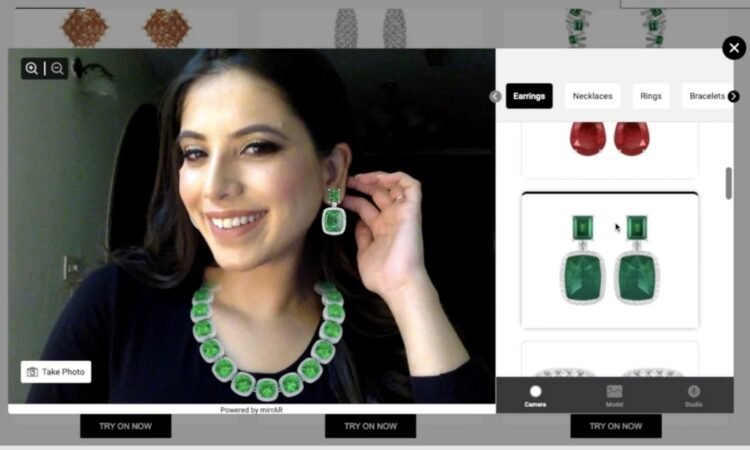
As e-commerce is constantly changing, the combination of technologies and consumer experience has become a significant one. One such revolutionary feature is Augmented Reality AR and in this realm Web AR Solutions are making their way as crucial additions transforming the dynamics of e-commerce shopping online. This blog delves into the evolving synergy of digital transformation and augmented reality and how Web AR is transforming the e-commerce landscape.
E-Commerce Evolution and AR Integration
The incorporation of AR software in e-commerce signifies a huge shift from the perspective which has evolved the online shopping process as not static and transactional but interactive and engaging. AR started as an innovative idea and over time has grown into a potent tool that impacts consumer behavior through immersive informative experiences. At last with the new emerging Web AR Platforms e-commerce is ready to make another revolution.
Understanding Web AR Platforms
Web AR which is one of the smaller branches of augmented reality lets users play with or view AR content without having to install separate applications. Instead they can interact using a web browser on their computing device. Web AR Platforms enhance this concept further by giving e-commerce businesses the capabilities to smoothly incorporate augmented reality into their online stores. Unlike the traditional AR applications Web AR Platforms democratized access to immersive experiences through making them available to a wider audience.
Consider a situation where customers could virtually try on clothes, visualize furniture in their living rooms or see how make ups would look like when applied to their faces – all within the web browser. Web AR Platforms are not only the technological advances; it shows how things have moved towards democratizing AR experiences and placing them right at the consumer’s digital doorstep.
Benefits of Web AR in E-Commerce
The advantages of integrating Web AR into e-commerce platforms are far-reaching:
- Improved Product Visualization: Web AR allows customers to see products in their real-world environment which helps them understand size, color and style easier. This consequently minimizes uncertainty and the probability of product returns.
- Enhanced Customer Engagement: Interactive and immersive experiences are highly captivating to the audience making them keep their attention for longer periods. This heightened participation may result in improved conversion rates and a lasting perception of their shopping encounter.
- Reduced Returns: Web AR provides customers with a realistic preview of products in their own spaces so that they can set proper expectations. This in turn reduces the likelihood of dissatisfaction and returns.
- Bridging Online and In-Store Experiences: Web AR Platforms are the stepping stone between digital and physical spheres offering middle ground for customers missing out in-store experiences.
Navigating the Top Web AR Platforms
As the demand for augmented reality in e-commerce is growing several Web AR Platforms are emerging. These platforms are not the same in terms of features, pricing and ease of set up. Among the notable players are:
- 3DLOOK: 3DLOOK is focused on virtual clothing, offering users a personalized shopping experience by giving them the chance to virtually try clothes and see how they fit in real time.
- ARitize by NexTech AR Solutions: As a versatile platform ARitize enables businesses to develop AR experiences not only for home goods but also beauty products driving customers’ interaction and satisfaction.
- BLIPPAR: The Web AR Platform of BLIPPAR is focused on the development of interactive and immersive brand experiences that increase product engagement by adding a new level of interactivity to content.
Each platform has its distinct advantages and serves different e-commerce necessities; therefore businesses can select the one that fits their product offerings as well as customers’ preferences.
Implementation Strategies for E-Commerce Businesses
Businesses that intend to adopt Web AR for their e-commerce business should do so in a strategic and phased manner. Here are some steps to seamlessly integrate Web AR into existing platforms:
- Understand Your Audience: Study your target audience to figure out what types of AR experiences will appeal the most. Customize your Web AR implementation according to the preferences and expectations of your customers.
- Choose the Right Platform: Evaluate various Web AR Platforms against your business requirements, product offerings and financial constraints. Look for those platforms that can integrate easily, scale and have a user-friendly interface.
- Start Small Scale Gradually: Begin with a few products or categories to test the waters. Monitor customer engagement and feedback slowly but steadily increase the use of Web AR as you learn from it.
- Educate Your Customers: Give clear orders and directions on how customers can reach out to the Web AR features you offer in your platform. This ensures that users who are not familiar with augmented reality have a smooth and enjoyable experience.
- Collaborate with Experts: Work with AR development professionals if necessary to ensure smooth integration.
Conclusion
Thus the incorporation of Web AR platforms in e-commerce marks a major milestone in the digital evolution of online trade. By implementing augmented reality using web browsers directly businesses can offer customers immersive interactive and personalized experiences.


