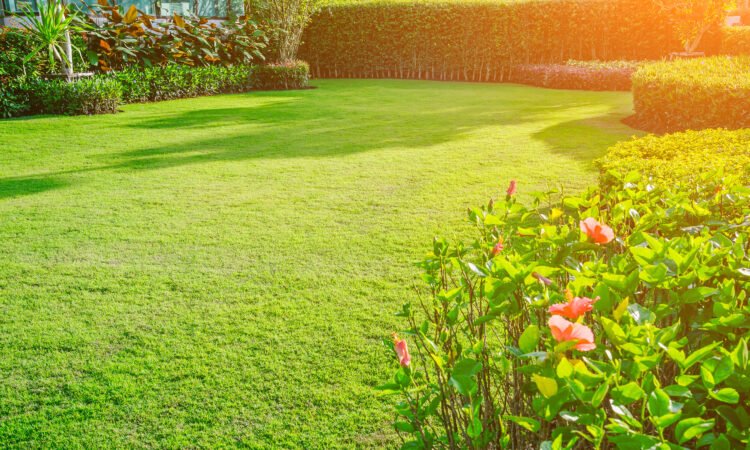
Backyards, playgrounds, and sports fields are increasingly using synthetic turf or artificial grass carpets. Artificial turf rivals natural grass in durability and low maintenance. However, artificial grass has environmental concerns. Below, we examine the sustainability and environmental impact of synthetic grass carpets.
Main Environmental Impacts of Artificial Grass Carpets
The Plastic Production Process
Synthetic lawns are constructed of polyethylene grass blades with polyurethane or polypropylene backing. These plastics come from fossil fuels like natural gas and crude oil. Greenhouse gas emissions and pollution result from plastic production using non-renewable resources.
Manufacturing processes, including extrusion, coating, and thermoforming, need a lot of energy and water. Using virgin fossil fuel plastic instead of recycled components raises sustainability problems.
Artificial Grass Carpet Dubai, besides plastic, has sand and recycled tire rubber for a real feel. But this can cause problems. Harmful things like benzene and lead can get into the environment. When it rains, these bad things can go into rivers. Also, it’s hard to recycle because of the mix of materials. So, used turf ends up in landfills for a long time.
Water Usage Tradeoffs
Artificial grass, also known as artificial turf, doesn’t need any water at all. Real grass does. A few drops of water may be all you need to clean it or cool it down on hot days after you put it in. It’s good to save water, but there’s more. It’s good for the earth that natural grass soaks up water. The fake grass, on the other hand, doesn’t let water through.
It means that when it rains, the water can pick up small bits of plastic, metal, and chemicals. Dirty water goes to lakes, streams, and seas through drains. Also, real grass cools things down when it’s hot because it lets water evaporate. Fake grass doesn’t do that, so it can make cities warmer.
End-of-Life Waste Issues
Synthetic turf, like the grass on sports fields, is meant to last a long time, more than 10 years if taken care of. But eventually, it wears out from weather and use. Its plastic and rubber composition makes recycling difficult. There are few ways to recycle it, so most of it ends up in landfills for centuries or millennia. Some companies are testing novel recycling methods, but it isn’t easy.
Some companies offer used turf take-back programs, which seems progressive. However, even these collected materials often end up in a dump despite the good intentions. Proper disposal is critical to avoid the leaching of lead, chemicals, and microplastics as materials degrade without containment. Unfortunately, many installers leave this burden to the homeowner. More accountability for full life cycle impacts is needed within the artificial grass industry.
Impact of Grass Carpets on the Local Ecosystem
It’s not just to save water that we replace real grass with fake grass. It also changes the world around us. Lawns are useful because they keep the earth healthy, make oxygen, and store carbon. Many small bugs, like worms and beetles, live in the ground and help the grass grow.
Bugs and bees also need real grass to eat and live on. Real grass is also food for birds. Things that live don’t do well on fake grass made of plastic and rubber because it’s not natural and can even be dangerous. Real grass is like a big group that helps nature, but fake grass doesn’t play for that group.
Studies have shown urban tree growth can even be stunted when surrounded by artificial turf instead of living grass. The excess heat absorbed and retained by the synthetic surface creates increased temperatures and altered moisture and soil conditions compared to natural lawns. Surface temperatures above 120°F have been recorded on hot sunny days. These urban heat island effects contribute to overall warming locally and planet-wide.
Best Practices to Make Grass Carpet More Sustainable
For those who still opt for the upfront benefits of artificial turf, it is possible to mitigate some impacts through conscientious material sourcing, installation methods, and care. Here are some best practices to make synthetic grass more eco-friendly:
- Choose grass with recycled plastic, reused tire rubber, coconut fiber, or cork backing. Avoid virgin plastics and SBR tire crumbs.
- Install a permeable aggregate base with perforated plastic sheets to drain and prevent runoff.
- Reduce chemical leaching with osmocote controlled-release fertilizer instead of high-salt quick-release.
- Select lighter color ‘cool’ turf options that absorb less heat than black or dark green.
- Clean with eco-friendly detergents using dry brushing methods instead of power washing.
- Consider donating used turf to community gardens for landscaping instead of landfilling.
- Ensure old turf is disposed of properly to avoid chemicals leaching from waste rubber.
With smart choices, artificial grass can be a somewhat greener solution. However, weighing the true long-term impacts is important for responsible environmental stewardship.
Conclusion
Artificial grass is super easy to take care of and lasts a long time, but it’s made of plastic, which can harm the environment. Getting the materials for it and making it can cause problems like messing up local nature and making tiny plastic pieces that go everywhere. Some companies are trying to make it better by using recycled stuff and eco-friendly materials.
But remember, fake grass can’t help the environment like real plants can. Consider its environmental impact before putting it in your yard. Use it only where you need it, and don’t construct large fake grass patches.