321views
Are you familiar with ASME vessels? These remarkable pieces of equipment play a crucial role in various industries, ensuring safety and efficiency in numerous processes. Whether it’s for storing, transporting, or processing liquids and gases, ASME vessels are an essential component in many industrial operations. In this blog post, we will explore the benefits of using ASME vessels, discuss common types available on the market today, and highlight their importance in different industries. So let’s dive right into this fascinating world of ASME vessels!
Benefits of Using ASME Vessels
When it comes to industrial processes, safety is always a top priority. ASME vessels provide a reliable and secure solution for handling various substances such as liquids and gases. These vessels are designed and constructed in accordance with strict codes and standards set by the American Society of Mechanical Engineers (ASME).
One of the significant benefits of using ASME vessels is their ability to withstand high pressures. They are built to handle extreme conditions, ensuring that the contents inside remain contained without any risk of leakage or failure. This durability gives industries peace of mind knowing that their operations can run smoothly without compromising safety.
Moreover, ASME vessels offer versatility in terms of customization options. Whether you need a vessel with specific dimensions, materials, or additional features, these vessels can be tailored to meet your exact requirements. This flexibility allows businesses to optimize their processes and maximize efficiency.
Furthermore, ASME vessels undergo rigorous inspections during manufacturing and installation stages. This ensures compliance with industry regulations and guarantees quality control at every step. By adhering to these standards, businesses can avoid costly repairs or replacements down the line.
In addition to safety considerations, ASME vessels also contribute to operational efficiency. Their design allows for easy integration into existing systems while minimizing space requirements. Moreover, vacuum system installations benefit from ASME vessels’ capability in creating controlled environments necessary for optimal performance.
Common Types of ASME Vessels
ASME vessels come in a variety of types, each designed to meet specific industrial needs. Let’s take a closer look at some common types of ASME vessels:
-
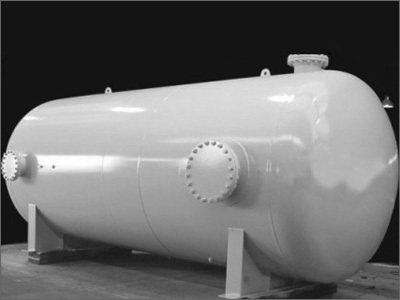
- Pressure Vessels: These are designed to store and contain gases or liquids under high pressure. They are commonly used in industries such as oil and gas, chemical processing, and power generation.
-
- Heat Exchangers: As the name suggests, heat exchangers transfer heat between two fluids without allowing them to mix. They play a crucial role in maintaining temperature control in various processes.
-
- Storage Tanks: Used for storing liquids or gases, storage tanks can be found in industries like petroleum refining, water treatment plants, and food processing.
-
- Reactors: Reactors are essential for carrying out chemical reactions on an industrial scale. They provide controlled conditions for chemical processes while ensuring safety and efficiency.
-
- Separators: Separators are used to separate different components within a mixture based on their physical properties like density or phase separation.
-
- Filters: In industries that require filtration processes, ASME vessels equipped with filters help remove impurities from liquids or gases before they move further along the production line.
add a comment