
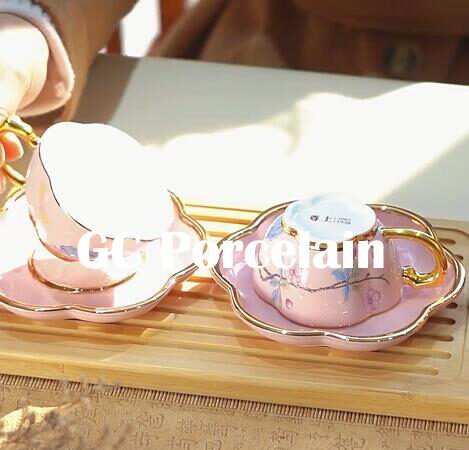
When it comes to selecting tableware, durability is a pivotal factor for those seeking pieces that can withstand the rigors of daily use without compromising on elegance and charm. The choice between bone china and porcelain, two of the finest materials in the realm of ceramics, often hinges on their durability. In this article, we will delve into the distinct characteristics of bone china and porcelain that contribute to their durability, offering an insightful comparison to aid you in making an informed decision for your tableware needs.

Unveiling Bone China’s Durability Traits
Bone china, known for its delicate appearance, harbors a surprising level of durability. This paradox arises from its unique characteristics that combine both strength and grace. One key attribute that enhances bone china’s durability is its flexibility. Unlike many other ceramics, bone china possesses a degree of flexibility that allows it to absorb impacts without shattering. This quality makes it less susceptible to chipping or breaking when subjected to accidental falls or knocks.
Furthermore, bone china’s chip resistance sets it apart as a formidable choice for everyday use. Its composition, which includes bone ash, contributes to its ability to withstand minor impacts. This resilience translates into a longer lifespan for your tableware, ensuring that it remains a cherished part of your dining experience for years to come.
The ability of bone china to retain heat is another factor that bolsters its durability. This characteristic makes it an excellent choice for serving hot beverages and dishes. Its capacity to hold heat without cracking or breaking elevates its practicality and makes it a reliable companion for your culinary endeavors.
Porcelain’s Enduring Strength and Versatility
Porcelain, with its dense structure and distinctive firing process, exhibits a different facet of durability. The high firing temperatures that porcelain undergoes contribute to its remarkable strength. This strength is reflected in its ability to withstand both mechanical stresses and temperature variations. The firing process renders porcelain more resistant to cracks and breakage, making it a reliable option for households that prioritize longevity.
Porcelain’s composition, typically comprising kaolin, feldspar, and quartz, lends it a versatile nature that suits various purposes. This adaptability is rooted in its durability, allowing it to seamlessly transition from daily use to special occasions. Whether you’re serving a casual family meal or hosting a formal dinner party, porcelain’s enduring strength ensures that your tableware can cater to diverse settings.
Comparing Durability Factors: Bone China vs Porcelain
To better understand the durability of bone china and porcelain, let’s examine some key factors side by side:
Resistance to Thermal Shock:
Both bone china and porcelain excel in resisting thermal shock, meaning they can withstand sudden temperature changes without cracking. This property makes them suitable for serving hot and cold dishes without compromising their integrity.
Impact Resistance:bone china vs porcela
Bone china’s flexible nature grants it a degree of impact resistance, making it more adept at handling accidental bumps or drops. Porcelain’s denser structure enhances its overall impact resistance, making it a sturdier choice for households with bustling kitchens or young children.
Long-Term Resilience: Maintaining Beauty Over Time
The durability of tableware extends beyond the ability to endure impacts. Factors such as fading, staining, and the overall appearance contribute to long-term resilience. Both bone china and porcelain exhibit commendable resistance to fading and staining. Their non-porous surfaces make it difficult for stains to penetrate, ensuring that their beauty endures even after prolonged use.
However, it’s important to note that bone china, while delicate in appearance, may show signs of wear over time. The delicate glaze might develop fine lines, commonly referred to as “crazing.” This, however, doesn’t compromise its functionality or overall aesthetics. Porcelain, with its dense composition, tends to maintain its pristine appearance for a longer duration, making it an attractive option for those who prioritize impeccable tableware.
In Conclusion: A Matter of Preference and Purpose
In the grand debate of bone china vs porcelain durability, it’s evident that both materials offer unique strengths. Bone china’s delicate strength and ability to retain heat make it an exquisite choice for those who appreciate refinement. Porcelain’s enduring strength, versatility, and long-term resilience suit various occasions and settings.
Ultimately, the choice between bone china and porcelain should be based on individual preferences, intended use, and the significance of aesthetic appeal. Both materials can withstand the demands of daily use with proper care. Whether you opt for the delicate charm of bone china or the enduring strength of porcelain, your decision will result in tableware that not only serves its purpose but also enhances the visual and tactile experience of your dining moments.


