
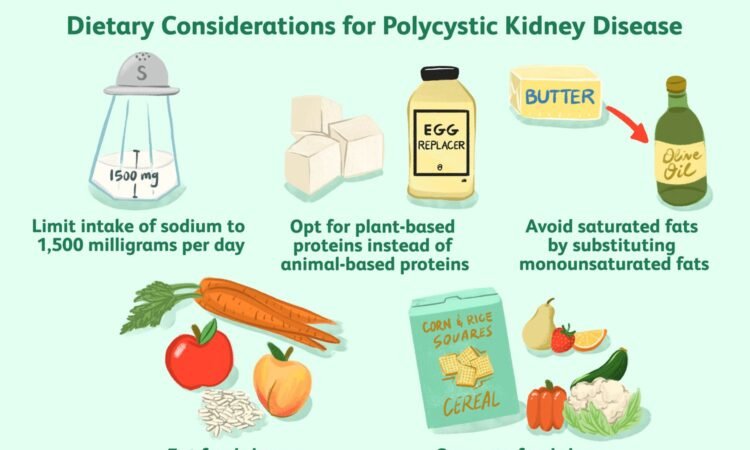
A kidney-friendly diet is crucial for individuals with kidney disease as it can help manage the condition, slow its progression, and alleviate symptoms. The best diet for people with kidney disease typically involves controlling the intake of certain nutrients to reduce the workload on the kidneys and minimize waste buildup in the bloodstream. It’s essential to work with a healthcare provider or a registered dietitian to create a personalized meal plan tailored to your specific condition and dietary needs.
- Control Protein Intake: Limiting protein intake can reduce the burden on the kidneys. However, it’s essential not to restrict protein too severely, especially for those on dialysis, as adequate protein is necessary for overall health. High-quality sources of protein, such as lean meats, poultry, fish, and egg whites, are preferred.
- Monitor Phosphorus Intake: Kidney disease can lead to high levels of phosphorus in the blood, which can weaken bones and damage blood vessels. Limiting phosphorus-rich foods is important. Foods to limit include dairy products, nuts, seeds, and processed foods with phosphate additives. Choose phosphorus binders as prescribed by your healthcare provider to help control phosphorus levels.
- Reduce Sodium (Salt) Intake: High sodium intake can lead to high blood pressure and fluid retention, both of which can worsen kidney disease. Limit sodium in your diet. Avoid processed and packaged foods, which often contain high levels of sodium. Use herbs and spices to flavor food instead of salt.
- Limit Potassium Intake: Kidneys regulate potassium levels in the body. When they are not functioning well, potassium levels can become elevated. Foods high in potassium, such as bananas, oranges, tomatoes, and potatoes, should be limited. Cooking certain high-potassium vegetables can reduce their potassium content.
- Manage Fluid Intake: Depending on the severity of your kidney disease, you may need to restrict fluids to avoid fluid buildup in the body. Your healthcare provider or dietitian can provide specific guidance. Be mindful of the fluid content in foods like soups, fruits, and vegetables. For detailed information visit a Urologist in Islamabad.
Conclusion:
A kidney-friendly diet is essential for individuals with kidney disease to help maintain kidney function and overall well-being. While it involves controlling protein, phosphorus, sodium, potassium, and fluid intake, it is crucial to work closely with healthcare professionals to tailor your diet to your specific needs. Regular monitoring and adjustments are essential to manage your condition effectively.
By following these dietary guidelines and working collaboratively with your Urologist in Lahore, you can better manage kidney disease, slow its progression, and improve your quality of life. It’s important to remember that dietary changes should be individualized, and your healthcare provider can provide the most accurate guidance for your specific condition.


