
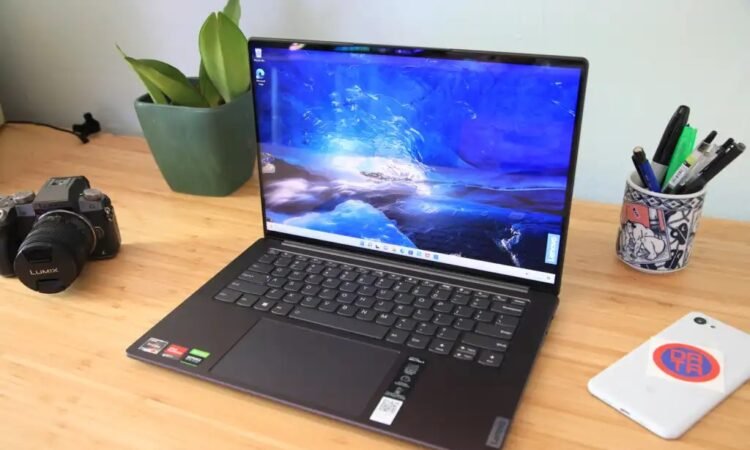
In today’s fast-paced digital world, laptops have become an indispensable tool for both work and leisure. Among the various components that contribute to a laptop’s overall performance, the LCD (Liquid Crystal Display) is a crucial aspect that directly impacts the user’s visual experience. In this article, we will delve into the LCD technology of two renowned laptop brands, Dell and Lenovo, to understand their differences and how they enhance the user’s viewing pleasure.
Dell Laptop LCD
Dell, a pioneer in the computer industry, has been delivering high-quality laptops for decades. Their LCD displays are well-regarded for their vibrant colors, sharpness, and overall visual clarity. Dell offers various display options across its laptop lineup, catering to different user needs and preferences.
Resolution: Dell laptop comes with a range of display resolutions, from the standard HD (1366 x 768) to Full HD (1920 x 1080) and even higher resolutions like 4K UHD (3840 x 2160). Higher resolutions are especially advantageous for content creators, graphic designers, and anyone who requires precision in their work.
Panel Technology: Dell utilizes different panel technologies, such as IPS (In-Plane Switching) and OLED (Organic Light Emitting Diode) displays. IPS panels offer wide viewing angles and accurate colors, making them suitable for multimedia consumption and creative tasks. On the other hand, OLED displays offer deeper blacks, better contrast, and vivid colors, ideal for users who prioritize an immersive visual experience.
Refresh Rate: For gamers and video editors, Dell also offers high-refresh-rate displays, such as 120Hz or 144Hz, which deliver smoother visuals, reducing motion blur during fast-paced scenes.
Lenovo Laptop LCD
Lenovo, a global technology leader, is known for its reliable and versatile laptop offerings. The brand equips its laptops with LCD displays optimized to suit various user requirements, from productivity to entertainment.
Resolution: Similar to Dell, Lenovo laptops come with a variety of display resolutions. Depending on the model and series, users can choose between HD, Full HD, and 4K UHD displays. The selection of resolution is based on individual needs and budget considerations.
Panel Technology: Lenovo also utilizes IPS panels in many of its laptops, providing excellent color reproduction and wide viewing angles. This feature ensures that colors remain consistent and accurate, even when viewed from different angles.
Privacy and Touchscreen Options: Lenovo has been a front-runner in implementing innovative features, such as PrivacyGuard screens, which prevent shoulder-surfing by narrowing the viewing angle. Additionally, some Lenovo laptops offer touchscreen capabilities, enhancing user interactions and improving workflow efficiency.
Comparing Dell and Lenovo Laptop LCD
While both Dell and Lenovo offer excellent LCD displays, certain differences set them apart:
Design Aesthetics: Dell and Lenovo laptops often exhibit different design philosophies. Dell laptops may emphasize sleekness and minimalist aesthetics, while Lenovo laptops may focus on a balance between functionality and professional looks.
OLED Displays: As of my last knowledge update in September 2021, Dell was more inclined to incorporate OLED displays in its premium models compared to Lenovo. However, both companies might have made advancements in their offerings since then.
Brand Preference: Often, a user’s choice between Dell and Lenovo laptops depends on brand preference, previous experiences, and the specific features they prioritize.
Conclusion
In conclusion, both Dell and Lenovo laptops boast LCD displays that cater to a wide array of user preferences. Dell, with its diverse range of resolutions and OLED options, may appeal to content creators and those seeking an immersive media experience. Meanwhile, Lenovo’s emphasis on IPS panels and innovative features like PrivacyGuard and touchscreen capabilities may be attractive to productivity-focused users.
Ultimately, the choice between Dell and Lenovo laptop LCD depends on individual needs, such as the intended usage, budget, and desired visual experience. Regardless of the brand, both companies continuously strive to improve their LCD technology, ensuring that users can enjoy crisp and vibrant visuals while using their laptops.


