
I. Introduction to Managed Cloud Services
What are Managed Cloud Services?
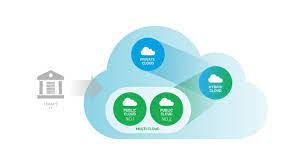
Managed Cloud Services refer to the outsourcing of cloud computing management and support to a third-party service provider. These providers take care of various cloud-related tasks, including infrastructure management, application monitoring, security, and data backup. By leveraging the expertise of these providers, businesses can focus on their core competencies while ensuring optimal cloud performance.
The Growing Demand for Managed Cloud Services in Pakistan
In recent years, the demand for Managed Cloud Services has surged in Pakistan. Businesses of all sizes are recognizing the potential of cloud technology to enhance operational efficiency, agility, and scalability. Additionally, the increasing complexity of cloud environments and the need for robust security measures have led many organizations to seek professional assistance from Managed Cloud Service providers.
II. Advantages of Managed Cloud Services
1. Cost Savings and Flexibility
Managed Cloud Services offer cost-effective solutions for businesses by eliminating the need for in-house IT infrastructure and personnel. With pay-as-you-go pricing models, companies can scale their resources up or down based on demand, reducing unnecessary expenses. This flexibility ensures that businesses only pay for the resources they actually use.
2. Enhanced Security and Data Protection
Security is a top priority for any organization. Managed Cloud Service providers implement advanced security measures, such as data encryption, firewalls, and intrusion detection systems, to safeguard sensitive information. They also perform regular security audits and updates to protect against evolving threats.
3. Scalability and Performance Optimization
As businesses grow, so do their cloud requirements. Managed Cloud Services offer seamless scalability, enabling businesses to adapt quickly to changing needs without interruptions or downtime. Service providers optimize performance through load balancing and resource allocation, ensuring smooth operations even during peak periods.
III. Key Features of Managed Cloud Services
1. Infrastructure as a Service (IaaS)
IaaS provides businesses with virtualized computing resources over the internet. This includes virtual machines, storage, and networking. Managed IaaS allows businesses to focus on their applications while leaving the infrastructure management to the service provider.
2. Platform as a Service (PaaS)
PaaS offers a platform for developers to build, deploy, and manage applications without dealing with the complexities of infrastructure. Managed PaaS solutions streamline the development process, allowing developers to concentrate on coding and innovation.
3. Software as a Service (SaaS)
SaaS delivers software applications over the internet, eliminating the need for installation and maintenance. Managed SaaS solutions ensure that businesses have access to the latest software updates and continuous support.
IV. Understanding Cloud Service Providers in Pakistan
1. Leading Managed Cloud Service Providers
Pakistan boasts a growing number of reputable Managed Cloud Service providers. These include both local and international companies, each offering a unique set of services tailored to different business needs.
2. Differentiating Factors Among Providers
While all providers offer Managed Cloud Services, their service packages, pricing models, and additional features may vary significantly. It’s essential for businesses to assess their requirements carefully and choose a provider that aligns with their goals and objectives.
3. Customer Case Studies and Success Stories
Examining case studies and success stories of businesses that have successfully adopted Managed Cloud Services can provide valuable insights. Understanding how other organizations have benefited from these services can help in making informed decisions.
V. Choosing the Right Managed Cloud Services for Your Business
1. Assessing Business Needs and Objectives
Before selecting a Managed Cloud Service provider, businesses must assess their specific requirements and objectives. Factors to consider include the size of the organization, the complexity of applications, and the desired level of support.
2. Key Considerations When Selecting a Provider
Businesses should consider factors such as service level agreements (SLAs), pricing structures, customer support availability, and security measures when choosing a Managed Cloud Service provider.
3. Service Level Agreements (SLAs) and Support Options
SLAs outline the terms and conditions of service, including uptime guarantees, response times, and support availability. Choosing a provider with robust SLAs ensures a reliable and responsive cloud environment.
VI. Implementing Managed Cloud Services
1. Migration Strategies and Best Practices
Migrating existing applications and data to the cloud requires careful planning and execution. Managed Cloud Service providers can assist businesses in developing migration strategies that minimize disruption and ensure data integrity.
2. Managing Data and Applications in the Cloud
Once the migration is complete, effective data management and application monitoring become crucial. Managed Cloud Services include regular backups, data replication, and proactive troubleshooting to ensure smooth operations.
3. Integrating Cloud Services with Existing Infrastructure
Integrating cloud services with on-premises systems is essential for many businesses. Managed Cloud Service providers offer expertise in seamless integration, enabling efficient data flow between cloud and on-premises environments.
VII. Security and Compliance in Managed Cloud Services
1. Data Security Measures and Encryption Protocols
Ensuring data security is a primary concern when moving to the cloud. Managed Cloud Service providers implement encryption and access controls to safeguard sensitive information from unauthorized access.
2. Compliance Standards and Certifications
Businesses in regulated industries must adhere to specific compliance standards. Managed Cloud Service providers can assist in maintaining compliance and obtaining necessary certifications.
3. Disaster Recovery and Business Continuity Planning
Disasters and data loss can cripple a business. Managed Cloud Services include disaster recovery planning and data backup solutions to minimize downtime and ensure business continuity.
VIII. Cost Management and Optimization
1. Understanding Cloud Service Pricing Models
Managed Cloud Services typically offer various pricing models, such as pay-as-you-go or reserved instances. Understanding these models is essential for optimizing costs and avoiding unexpected expenses.
2. Strategies for Cost Optimization
Managed Cloud Service providers can help businesses identify areas of cost inefficiency and implement strategies to optimize cloud spending.
3. Monitoring and Analyzing Cloud Usage
Regular monitoring and analysis of cloud resource usage allow businesses to identify trends and patterns, leading to more informed decisions regarding resource allocation.
IX. Performance Monitoring and Management
1. Tools for Performance Monitoring and Analysis
Managed Cloud Service providers deploy advanced monitoring tools to track the performance of applications and infrastructure. These tools enable proactive issue detection and resolution.
2. Identifying and Resolving Performance Bottlenecks
Identifying and resolving performance bottlenecks is critical for maintaining a high-performing cloud environment. Managed Cloud Service providers conduct regular performance analysis to enhance system efficiency.
3. Ensuring High Availability and Reliability
Managed Cloud Services include redundancy and failover mechanisms to ensure high availability and reliability of cloud resources.
X. Innovations in Managed Cloud Services
1. Artificial Intelligence and Machine Learning in Cloud Management
AI and machine learning technologies are revolutionizing cloud management by automating tasks, predicting issues, and optimizing resource allocation.
2. Internet of Things (IoT) Integration and Benefits
Managed Cloud Services can support IoT applications by efficiently processing and analyzing data from connected devices.
3. Blockchain Applications in Cloud Services
Blockchain technology in Managed Cloud Services offers enhanced security, transparency, and trust in data transactions.
XI. Managed Cloud Services for E-commerce Businesses in Pakistan
1. Leveraging Cloud Services for Online Stores
Managed Cloud Services enable e-commerce businesses to handle high website traffic, ensuring a seamless shopping experience for customers.
2. Managing High Traffic and Seasonal Demands
During peak seasons, e-commerce businesses can scale their resources with Managed Cloud Services to accommodate increased demand.
3. Securing Customer Data and Transactions
Security measures in Managed Cloud Services protect customer data and payment information, instilling trust in online transactions.
XII. Managed Cloud Services for Startups and SMEs
1. Tailored Solutions for Small and Medium Enterprises
Managed Cloud Services offer flexible solutions that cater to the unique needs and budget constraints of startups and SMEs.
2. Supporting Rapid Growth and Expansion
As startups and SMEs grow, Managed Cloud Services can seamlessly accommodate increased resource requirements.
3. 24/7 Technical Support and Assistance
Managed Cloud Service providers offer round-the-clock technical support to address any issues that may arise.
XIII. Real-Life Success Stories of Managed Cloud Services Adoption
1. Business Transformations Through Cloud Migration
Case studies of businesses that successfully adopted Managed Cloud Services demonstrate the positive impact on productivity and efficiency.
2. Achieving Operational Efficiency and Cost Savings
Businesses can learn from real-life examples of how Managed Cloud Services led to cost reduction and streamlined operations.
3. Customer Testimonials and Feedback
Customer feedback and testimonials provide valuable insights into the effectiveness of Managed Cloud Services from a user’s perspective.
XIV. Addressing Common Misconceptions about Managed Cloud Services
1. Security and Privacy Concerns
Misconceptions about cloud security can be addressed through a detailed explanation of the robust security measures in Managed Cloud Services.
2. Performance and Reliability Myths
Explaining the performance optimization and reliability features of Managed Cloud Services can dispel myths surrounding performance issues.
3. Cost and Affordability Assumptions
Clarifying pricing models and cost optimization strategies can address concerns about the affordability of Managed Cloud Services.
XV. Future Trends and Predictions for Managed Cloud Services
1. Emerging Technologies and Innovations
Predicting emerging technologies that will shape the future of Managed Cloud Services in Pakistan.
2. Shaping the Future of Cloud Computing in Pakistan
Analyzing how Managed Cloud Services will play a pivotal role in shaping the overall cloud computing landscape in the country.
3. Predictions for the Next Five Years
Forecasting the growth and impact of Managed Cloud Services in Pakistan over the next five years.
XVI. Conclusion
1. Recap of the Benefits of Managed Cloud Services
Summarizing the numerous benefits of adopting Managed Cloud Services for businesses in Pakistan.
2. Importance of Choosing the Right Provider
Highlighting the critical role of selecting the most suitable Managed Cloud Service provider to achieve desired outcomes.
3. Embracing the Cloud for Sustainable Growth
Encouraging businesses to embrace Managed Cloud Services as a catalyst for sustainable growth and success.
XVII. FAQs about Managed Cloud Services
- What exactly are Managed Cloud Services?
Managed Cloud Services are comprehensive solutions provided by third-party service providers that handle the management and maintenance of a company’s cloud computing infrastructure and resources. These services encompass a wide range of tasks, including infrastructure setup, monitoring, security, data backup, and support. The primary purpose of Managed Cloud Services is to allow businesses to offload the complexities of cloud management and focus on their core operations, all while benefiting from a highly efficient and secure cloud environment.
- How do Managed Cloud Services differ from traditional hosting?
While traditional hosting provides businesses with server space and basic support, Managed Cloud Services go beyond that by offering end-to-end management of the entire cloud infrastructure. Unlike traditional hosting, Managed Cloud Services cover aspects such as security, updates, scalability, performance optimization, and even disaster recovery planning. In essence, Managed Cloud Services offer a comprehensive and proactive approach to cloud management, ensuring businesses have access to dedicated experts and advanced tools to maximize the potential of their cloud resources.
- Is data stored in the cloud safe and secure?
Yes, data stored in the cloud can be safe and secure when proper security measures are implemented. Managed Cloud Service providers prioritize data security and employ various security protocols, including data encryption, access controls, firewalls, and regular security audits, to protect sensitive information from unauthorized access and cyber threats. They also ensure compliance with industry regulations and standards to maintain the integrity and privacy of data stored in the cloud.
- How can businesses determine their ideal cloud service model?
Determining the ideal cloud service model depends on the specific requirements and goals of a business. Managed Cloud Service providers can assist businesses in assessing their needs, applications, and workloads to choose the most suitable cloud service model. Infrastructure as a Service (IaaS) is ideal for businesses seeking scalable infrastructure resources, while Platform as a Service (PaaS) offers developers a ready-to-use platform for building applications. Software as a Service (SaaS) is suitable for businesses that prefer accessing software applications without worrying about maintenance.
- What are the common challenges in cloud migration?
Cloud migration, while beneficial in the long run, can present some challenges. Common issues include data migration complexities, potential downtime during the migration process, ensuring compatibility between existing systems and the cloud environment, and addressing security concerns during data transfer. To mitigate these challenges, businesses should engage Managed Cloud Service providers with expertise in cloud migration, detailed planning, and robust strategies to ensure a smooth and efficient transition.
- Can I use Managed Cloud Services for my existing applications?
Yes, Managed Cloud Services can be utilized to migrate existing applications to the cloud. Managed service providers can assist in assessing the compatibility and requirements of the applications with the cloud environment. They then create a tailored migration plan, ensuring minimal disruption to the business operations during the transition. Whether it’s a legacy application or a complex system, Managed Cloud Services offer the expertise and support to effectively move and manage existing applications in the cloud.
- What industries benefit the most from Managed Cloud Services?
Virtually all industries can benefit from Managed Cloud Services, but certain sectors gain particular advantages. Industries that handle large volumes of data, such as healthcare, finance, and e-commerce, benefit from the scalability and security offered by Managed Cloud Services. Startups and small businesses can leverage these services to access enterprise-level resources without the associated costs. Additionally, industries with dynamic workloads, seasonal demands, and the need for real-time data processing, like retail and entertainment, can significantly benefit from the flexibility and performance optimization of Managed Cloud Services.
- How does Managed Cloud Services support disaster recovery?
Managed Cloud Services offer robust disaster recovery capabilities to ensure business continuity in the event of unforeseen disruptions. Service providers set up redundant data centers and backup systems in different geographic locations to protect against data loss due to hardware failure or natural disasters. Managed Cloud Services also include regular data backups, system snapshots, and failover mechanisms to quickly recover data and applications in case of an emergency, minimizing downtime and ensuring uninterrupted operations.
- Are Managed Cloud Services scalable to accommodate business growth?
Yes, Managed Cloud Services are highly scalable and can seamlessly accommodate business growth. As a business expands, Managed Cloud Service providers can easily scale up resources, such as computing power and storage, to meet increased demand. This scalability ensures that businesses can effectively handle fluctuations in traffic, seasonal spikes, and changes in operational requirements without any disruption. Additionally, businesses can scale down resources during periods of lower demand to optimize costs, making Managed Cloud Services a flexible and cost-effective solution for growth.
- What factors influence the cost of Managed Cloud Services?
The cost of Managed Cloud Services is influenced by several factors. The main determinants include the type and amount of resources used (e.g., CPU, storage, bandwidth), the service level agreement (SLA) chosen, the level of support required, and the specific cloud service model adopted (IaaS, PaaS, SaaS). Additionally, the complexity of the cloud environment, the number of users, and data transfer volumes may impact the overall cost. Managed Cloud Service providers often offer various pricing models, such as pay-as-you-go or reserved instances, allowing businesses to optimize costs based on their actual usage and requirements..
In the rapidly evolving digital landscape of Pakistan, businesses are seeking reliable partners to navigate the complexities of the digital age successfully. That’s where Million Web Services comes in.
As a leading provider of Digital Services, including Digital Marketing and Cloud Services, Million Web Services is committed to empowering businesses across the nation. Our team of experts brings a wealth of experience and cutting-edge solutions to help businesses thrive in the digital era.
Through our Digital Marketing services, we craft compelling strategies that drive brand visibility, attract targeted audiences, and boost online engagement. From SEO and social media marketing to content creation and lead generation, we tailor our approach to meet the unique needs of each client, ensuring optimal results and a competitive edge in the digital landscape.
In the realm of Cloud Services, we understand the transformative power of cloud technology in enhancing business efficiency and agility. With a comprehensive suite of cloud solutions, we enable businesses to embrace the scalability, flexibility, and cost-effectiveness offered by cloud computing. From seamless cloud migration to robust data security and management, our team ensures a smooth and successful cloud journey for businesses of all sizes.
At Million Web Services, we take pride in being a trusted partner for businesses seeking growth, innovation, and success in the digital age. With a customer-centric approach, we work closely with our clients, understanding their unique challenges and goals, and delivering tailor-made solutions that drive tangible results.
As Pakistan’s business landscape continues to evolve, Million Web Services remains committed to empowering businesses, helping them leverage the full potential of Digital Marketing and Cloud Services. With us by your side, you can embrace the digital revolution with confidence, knowing that you have a dedicated team of experts supporting your journey towards success.
Experience the power of seamless digital services with Million Web Services today and embark on a transformative journey towards a thriving digital future. Contact us now to explore how we can elevate your business to new heights in the dynamic and ever-expanding digital world.


