403views
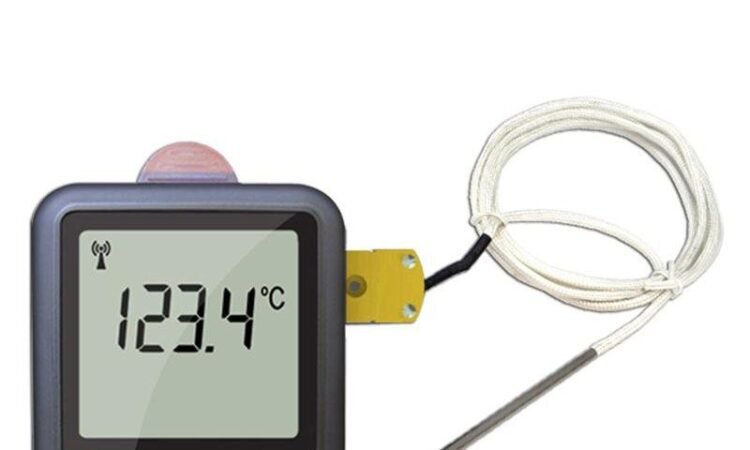
A Wi-Fi temperature data logger is a device that monitors and records temperature readings wirelessly using Wi-Fi connectivity. It is typically used in various applications where temperature monitoring is crucial, such as in laboratories, pharmaceutical storage, cold chain logistics, and HVAC systems.
Here’s a general overview of how a Wi-Fi temperature data logger works:
- Sensor: The wifi temperature data logger includes a built-in temperature sensor or an external sensor that measures the ambient temperature. Some devices may also support additional sensors for monitoring humidity, pressure, or other environmental parameters.
- Data Logging: The data logger records temperature readings at regular intervals, typically in predefined time intervals (e.g., every minute, hour, or day). The collected data is stored internally in the device’s memory or on a removable storage medium such as an SD card.
- Wi-Fi Connectivity: The data logger has Wi-Fi capabilities that allow it to connect to a local wireless network. It can use either a built-in Wi-Fi module or an external Wi-Fi adapter.
- Data Transmission: Once connected to the Wi-Fi network, the data logger transmits the recorded temperature data to a designated server or cloud platform. This transmission can occur in real-time or at scheduled intervals, depending on the device’s configuration.
- Data Storage and Analysis: The transmitted temperature data is received by the server or cloud platform, where it is stored in a database. Users can access the data remotely through a web interface or a dedicated software application. The platform often provides features for visualization, analysis, and generating reports based on the recorded data.
- Alerts and Notifications: Many Wi-Fi temperature data loggers offer configurable alarms and notifications. Users can set temperature thresholds, and if the recorded temperature exceeds or falls below the specified limits, the device can send alerts via email, SMS, or push notifications to notify the relevant personnel.
It’s important to note that specific Wi-Fi temperature data loggers may have additional features or variations in their functionality, depending on the manufacturer and model. It’s advisable to consult the user manual or documentation provided with the specific device for detailed instructions on setup and usage.
add a comment