Roofing shingles come in many different types. These include Metal, Composite, and Asphalt. Each of these types has different advantages and disadvantages. Knowing the differences will help you make the best decision for your home.
Asphalt shingles
Choosing the right types of asphalt shingles for your home is important. They can provide a stylish look to your roof while also protecting it from the elements. You can choose from a variety of colours, styles and shapes. They are also affordable and require little maintenance. There are three primary types of asphalt shingles. They include 3-tab, luxury and dimensional. The best choice is based on your particular needs and preferences.
3-tab shingles are the simplest and most affordable. They have a flat appearance and are made from the same materials as other types of shingles. They are also available in many colours, including brown, black and grey. They are also lightweight and easy to install. However, they do not hold up as well against heavy storms as other types of shingles. Laminated shingles are also a popular choice. They are made of two or more layers of asphalt and are able to mimic the appearance of slate or wood shakes. They also offer an impressive lifespan of 30 years.
Composite shingles
Using composite shingles for roofing can provide you with an eco-friendly alternative to traditional roofing materials. Composite products are often recycled materials and are a great way to divert existing plastic from landfills. They are also less prone to mould and mildew. Composite roofing materials are durable, water-resistant, and can last up to 50 years. They are also more fire-resistant than traditional wood shingles.
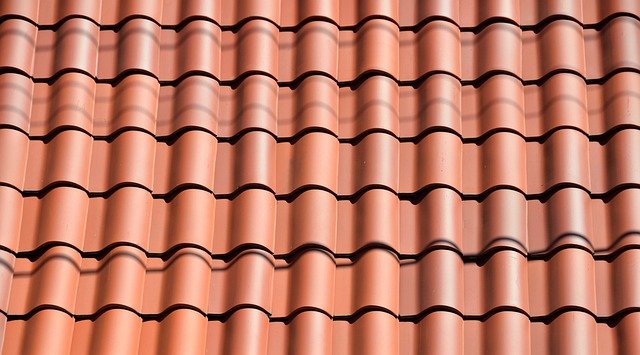
Some composite shingles are moulded to look like wood shakes. Others imitate clay tiles. Composite roofing also comes in a wide range of colours. They are easier to install than wood and less likely to chip or peel. They are lightweight and durable, making them ideal for homes with high-pitched roofs.
Polymer composite shingles are made from a durable material that is single-layered. They are UV-resistant and can withstand foot traffic from installers. They are also fire-resistant and are less likely to warp than wood. They can withstand wind speeds of 110 to 190 mph. They are also more dependable than asphalt composite shingles.
Metal shingles
Using metal shingles for your home or business is no longer a fringe activity. This is particularly the case in the New England area. You may be surprised to learn that metal shingles aren’t exactly cheap. The cost of installing them can run into the low twenties. The cost of maintenance is a fraction of that incurred with traditional roofing materials. They are also less susceptible to water damage if left to their own devices. Considering metal shingles are more likely to survive the apocalypse than traditional roofing materials, you can rest assured that your property is well protected.
The best part is that metal shingles last a good many years before you have to replace them with the requisite replacements. The material is also relatively easy to install, meaning that it is an excellent replacement to consider when the time comes to replace your old roof with a shiny new one. And while you’re at it, you can enjoy the outdoors while you’re at it.
Wood shakes vs wood shingles
Whether you’re replacing an old roof or building a new one, you’re likely to be faced with the question of wood shakes vs wood shingles. While both types of roofing provide a unique, rustic look, they are also different in many ways. Wood shingles are often thinner at the end of the shingle and are made from a single piece of wood, whereas wood shakes are formed by splitting the wood log.
Wood shakes are a type of roofing material, typically made from cedar, redwood, or other similar woods. They’re generally thicker than shingles and give the roof a thick, textured appearance. They are also more durable and provide better storm protection.
Wood shakes are made by splitting a log, or a block of wood, in a way that makes the wood taper. They’re also typically hand-split. This makes them heavier than shingles, but they’re also easier to install. Wood shakes are usually made from naturally rot resistant logs. There are two types of wood shake shingles: tapersawn and edge grain. The former has a semi-textured look, while the latter maintains the natural grain of the wood.
Read more interesting articles at deeptechy