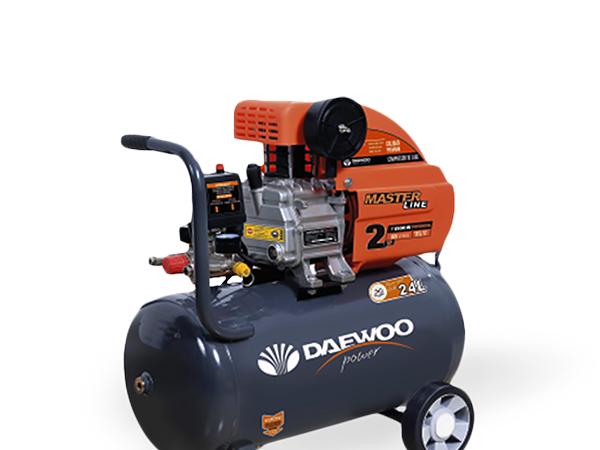
Most people have the assumption that all air compressors are the same, but this is not true. The horsepower of an air compressor varies based on the make and model. The size of the compressor is a crucial thing to think about. If you need to power a stronger tool like a framing nailer, you will need a higher horsepower compressor than if you need to inflate tires.
Compressed air is vital to many operations both industrial and commercial, so you want to be careful when buying a compressor with enough power to meet your needs. First, you need to know what horsepower is;
Understanding air compressor horsepower:
Horsepower (HP) is a unit of power and is used to define the power output of various types of engines. Air compressors are rated in horsepower established on the magnitude of the engine. The higher horsepower, the more power it will have to run a larger or several tools simultaneously.
When looking for an air compressor horse power is an important variable. Most of us are familiar with horsepower ratings and use them as an element when buying a car, lawnmower, or other gear.
Horsepower ratings don’t show the full picture when it comes to what a compressor can and can’t do. Instead, it is just one variable that should be looked at. 2 hp air compressors are equal to 1491 watts.
Horsepower:
Horsepower is a measurement of the quantity of work an engine can achieve. People who work in the auto industry or are car aficionados are likely to be aware of the distinction between standard horsepower and brake horsepower. Horsepower calculates how much work an engine can do in a minute. One horsepower is equivalent to 33 thousand foot-pounds in each minute, which is approximately equal to 746 watts.
All compressors have a motor element that is ranked in horsepower. A compressor motor’s job is simply to move the cylinders or rotary screws that compress air. HP compressor meaning has been explained above, a compressor’s horsepower rating is a vital measure of what it can do and how well it can do it.
HP vs. CFM vs. PSIG:
Horsepower, pressure, and capacity are the three primary measurements of what a compressor can do. PSIG is a measure of air pressure. More power means more pressure. Most air-powered tools need at least 90 PSIG. Horsepower is a measurement of the compressor motor’s efficiency at delivering a specified level of CFM and PSIG. CFM is the maximum amount of air a compressor can produce at a given level of pressure.
All other factors remain the same, a 5 HP air compressor and a 10 HP air compressor can both produce 100 PSIG of air pressure at a rate of 15 CFM, the 5 HP model is working more efficiently and you should go with that one, it’ll save you money on fuel. Horsepower calculates how much work an engine can do in a minute. One horsepower is equivalent to 33 thousand foot-pounds in each minute, which is approximately equal to 746 watts.
How important are horsepower ratings?
HP compressor meaning has been explained above, a compressor’s horsepower rating is a vital measure of what it can do and how well it can do it. A 10 HP air compressor won’t be able to perform anywhere near as good as a 100 HP air compressor.
Other factors to think about:
There are other factors to think about apart from horsepower when you are getting an air compressor. Portability is an important element. Many portable air compressors are available they are light enough to carry, while some large models have wheels so they can easily be transported.
With larger tanks and greater horsepower, stationary air compressors are perfect for workshops and garages
The tank size of the air compressor also determines the scope of work you can get done.
Horsepower to get for an air compressor:
Air compressors have a horsepower rating between 1.3 and 8, though some larger air compressors can have up to 15 HP. If you are using conventional electric power outlets, you’ll require an air compressor at 2 HP or less.
To sum it up:
You should buy an air compressor based on the work you are going to do. Research properly and get an air compressor based on your requirements.