
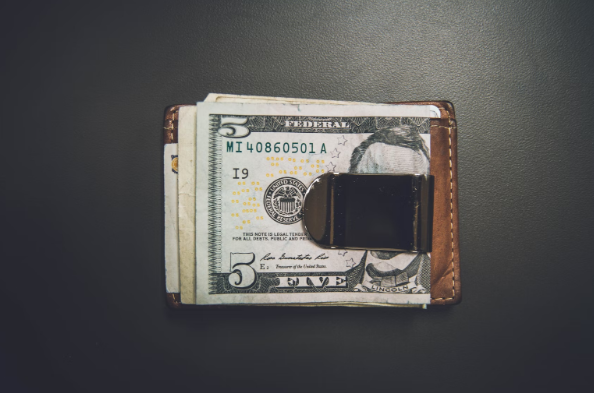
An emergency fund is a cash that you set aside in case of an unexpected event. It’s a cushion that protects you from financial disasters, like losing your job or having your car break down. Experts recommend that everyone should have an emergency fund with enough money to cover three to six months of expenses.
An emergency fund is for unexpected situations
When you need quick cash in an emergency, an emergency fund is for unexpected situations. It’s a cushion for the times when the unexpected happens, like when your car breaks down or your washing machine stops working and you need to pay for repairs.
For some people, that might mean $500 in a savings account; for others, it may be several thousand dollars or more. The amount of money you put away in your emergency fund depends on what kinds of emergencies could happen to you and how much they would cost (for example, an apartment lease in New York City versus a one-bedroom apartment in Memphis).
The ideal amount should cover at least three months’ worth of expenses if something goes wrong with your life or career—but don’t forget: there are other ways to deal with unexpected costs besides using up all that hard-earned cash.
You might need an emergency fund if your car breaks down, or if you lose your job.
If you’re not sure what an emergency fund is, it’s simply a sum of money that you can use when something unexpected happens. For example, if your car breaks down or you get laid off from your job, an emergency fund will help make sure you don’t run into financial problems while waiting for the next paycheck. If this sounds useful to you, here are some reasons why having an emergency fund is important:
- Car repairs
Having enough money saved up could mean the difference between paying for a new carburettor and paying out-of-pocket for one.
- Layoffs
A layoff often comes without warning or preparation time; having a savings account can give people greater peace of mind during stressful times like these.
- Unanticipated medical expenses
Medical bills can be expensive—even life-saving treatments can cost thousands of dollars per year—and often take months before they’re fully paid off by insurance companies or Medicare/Medicaid programs (which themselves require co-pays).
It’s important to have three to six months of expenses saved in your emergency fund
Most financial experts recommend having three to six months of expenses saved in your emergency fund. That’s enough money to cover expenses for a few months if you lost your job or had other unforeseen circumstances that caused you to suddenly stop working.
Some people will tell you that six months’ worth is too much, but I don’t agree with this. You should have enough money saved away so that even if something bad happens and your income stops or slows down significantly, it won’t ruin your finances forever.
Your emergency fund should be separate from your other savings accounts
Because you’ll need to access it quickly in an emergency. You could use a savings account or a money market account, which might offer more flexibility when making withdrawals—or you could opt for either a credit union or bank. Or, if you have enough faith in the stock market and its ability to grow your money over time, consider using a brokerage account instead. If you have some extra cash lying around and want it to be there for emergencies but don’t want to pay fees on it (like those associated with checking accounts), consider investing with a certificate of deposit (CD).
Your emergency fund is not meant to pay for vacations or a new TV
Your emergency fund is not meant to pay for vacations or a new TV. It’s there to help you through unexpected financial emergencies that can arise at any time and cause you significant financial stress.
An emergency fund allows you to cushion your finances
Having an emergency fund allows you to cushion your finances when things don’t go according to plan. If you lose your job and need to live off of your savings until you can find another position, having cash saved up will give you some breathing room during this difficult time. If something were to happen at home and it needed immediate attention—like your water heater breaking down—an emergency fund would help pay for the repair bill so that the problem could be fixed immediately instead of waiting until the next paycheck came in a week later.
Conclusion
There are many different types of financial emergencies that can occur. This article has discussed the importance of having a personal emergency fund, as well as some tips on how to build one up. Hopefully, it will help you get started and feel more confident in your abilities to cope with financial challenges.
Article by Emily Lamp

Emily Lamp is a freelance writer, working closely with many aspiring thinkers and entrepreneurs from various companies. She is also interested in self-improvement, entrepreneurship and technology. Say hi to Emily on Twitter @EmilyLamp2.


