
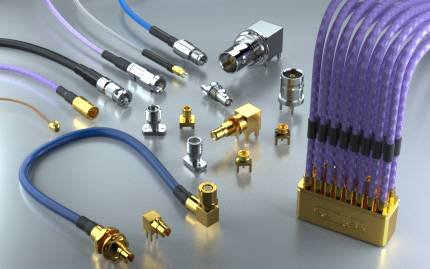
Choosing the right RF connector is essential for achieving reliable signal transmission in communication and electronic systems. While many connectors may appear similar, their specifications can vary significantly depending on the intended application. Understanding these technical details before making a purchase helps ensure compatibility, improve performance, and reduce the risk of signal loss.
Whether you’re working on a wireless communication system, industrial equipment, or testing instruments, selecting the correct connector requires careful evaluation of several factors. Learning how each specification affects performance makes it easier to choose the right rf connector for your specific requirements and avoid costly installation issues.
What Is an RF Connector?
An RF connector is a specialized electrical connector designed to carry radio frequency signals between cables, antennas, and electronic devices. These connectors are engineered to preserve signal quality by maintaining consistent impedance and minimizing reflection, even at high operating frequencies.
RF connectors come in various designs, each suited for different environments, frequencies, and power levels.
Why Connector Specifications Matter
Every RF application has unique performance requirements. Selecting a connector without understanding its specifications can result in poor signal quality, reduced efficiency, and equipment failure.
Properly matched connectors provide several advantages, including:
- Stable signal transmission
- Reduced insertion loss
- Improved system reliability
- Better impedance matching
- Longer service life
Reviewing specifications before purchasing helps ensure the connector performs as expected.
Frequency Range
One of the most important specifications is the connector’s operating frequency range. Every RF connector is designed to function efficiently within a specific frequency limit.
Using a connector beyond its rated frequency can increase signal loss and reduce overall system performance. Always verify that the connector supports the frequency requirements of your application.
Impedance
Impedance matching is critical for maintaining signal integrity. Most RF systems use either 50-ohm or 75-ohm connectors.
- 50-ohm connectors are commonly used in wireless communication, industrial equipment, and testing systems.
- 75-ohm connectors are typically found in television broadcasting, satellite systems, and video applications.
Choosing the correct impedance minimizes signal reflections and improves transmission efficiency.
Insertion Loss
Insertion loss measures how much signal power is lost when passing through a connector. Lower insertion loss indicates better electrical performance.
For high-frequency systems, selecting connectors with low insertion loss helps maintain stronger and more reliable signal transmission.
Voltage Standing Wave Ratio (VSWR)
VSWR indicates how effectively power is transferred through the connector. A lower VSWR means less signal reflection and better overall performance.
High-quality RF connectors are designed to maintain low VSWR across their specified frequency range, making them suitable for demanding communication systems.
Power Handling Capability
Different RF connectors are designed to handle different power levels. High-power applications such as broadcasting, radar, and communication infrastructure require connectors capable of safely carrying greater electrical loads.
Always compare the connector’s power rating with your system requirements before purchasing.
Connector Type
Several connector types are available, each designed for specific applications.
Some common options include:
- BNC connectors
- SMA connectors
- N-Type connectors
- TNC connectors
- F-Type connectors
- MCX and MMCX connectors
Each connector offers unique advantages based on frequency range, durability, and installation requirements.
Environmental Protection
If the connector will be used outdoors or in harsh industrial environments, environmental protection becomes an important consideration.
Look for features such as:
- Weather-resistant construction
- Corrosion-resistant materials
- Dust protection
- Moisture sealing
- Temperature resistance
These features help maintain reliable performance under challenging conditions.
Mechanical Durability
Mechanical strength affects the connector’s lifespan, especially in applications involving frequent connections or vibration.
Threaded connectors generally provide greater stability than quick-connect designs, making them suitable for demanding industrial and outdoor installations.
Cable Compatibility
Not every connector fits every cable type. The connector must match the cable’s diameter, shielding, and construction to ensure proper installation and reliable electrical performance.
Checking compatibility before purchasing helps avoid installation problems and unnecessary replacement costs.
Material and Plating
The materials used in RF connectors influence both electrical performance and durability.
Common materials include:
- Brass
- Stainless steel
- Copper alloys
Many connectors also feature gold or silver plating on the contact surfaces to improve conductivity and resist corrosion.
Choosing the Right RF Connector
Before buying an RF connector, consider the following questions:
- What frequency will the system operate at?
- Does the connector match the required impedance?
- Will it be used indoors or outdoors?
- What power level will it handle?
- Is it compatible with the selected cable?
- Does the application require resistance to vibration or harsh environments?
Answering these questions helps narrow down the most suitable option for your project.
Conclusion
Understanding RF connector specifications before purchasing is essential for building reliable, high-performance communication systems. Factors such as frequency range, impedance, insertion loss, VSWR, power handling, environmental protection, and cable compatibility all influence connector performance. By carefully evaluating these specifications, you can select the right RF connector for your application, improve signal quality, and ensure dependable operation over the long term.


