
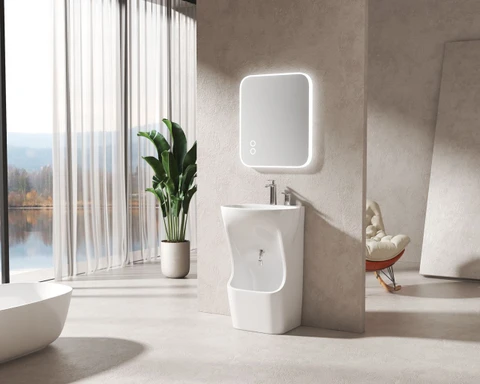
Modern mosque architecture is increasingly focused on maximizing space efficiency while maintaining comfort, hygiene, and accessibility. As congregations grow, especially in urban and high-density areas, architects are challenged to design ablution areas that can accommodate large numbers of worshippers without causing congestion or compromising cleanliness.
To meet these needs, modular design approaches have become a key solution in contemporary mosque planning. A well-structured Wudu Wash Basin system plays an essential role in optimizing available space, enabling efficient user flow while maintaining high standards of hygiene and functionality.
The Importance of Space Optimization in Mosque Design
Space optimization is critical in mosque infrastructure because ablution areas experience peak usage before every prayer session. Without efficient planning, these areas can quickly become overcrowded, leading to delays, water spillage, and reduced hygiene standards.
Modular systems help solve these challenges by allowing flexible configuration of washing units. This enables designers to adapt layouts based on available space, expected user capacity, and architectural constraints.
Key objectives of space optimization include:
- Maximizing user capacity within limited floor space
- Ensuring smooth movement and reduced congestion
- Maintaining hygiene through organized layouts
- Supporting accessibility for all user groups
By achieving these goals, mosque planners can significantly improve the overall functionality of ablution facilities.
Modular Design and Flexible Configuration
Modular ablution systems are designed as interconnected units that can be arranged in various configurations depending on the spatial requirements of the mosque. This flexibility allows architects to create linear, L-shaped, or circular layouts based on available space.
Each module typically includes an integrated washing station, drainage system, and water connection point. This standardized structure simplifies installation and ensures consistency across all units.
Benefits of modular configuration include:
- Easy scalability for small and large mosques
- Faster installation and reduced construction complexity
- Simplified maintenance and replacement of individual units
- Consistent design and user experience across stations
This adaptability makes modular systems ideal for both new mosque projects and renovations of existing facilities.
Efficient Layout Planning for High-Traffic Areas
Effective layout planning is essential for managing high volumes of users during peak prayer times. Modular ablution units allow for strategic spacing that improves movement flow and reduces waiting times.
Designers often incorporate parallel or multi-row arrangements to accommodate multiple users simultaneously. Clear entry and exit pathways are also essential to prevent congestion and ensure smooth circulation.
Important layout considerations include:
- Adequate spacing between washing stations
- Clear separation of entry and exit routes
- Logical sequencing of washing points
- Integration of drainage flow direction with layout design
These planning strategies ensure that even large congregations can perform wudu efficiently without delays.
Hygiene and Maintenance Efficiency Through Modular Systems
Space optimization is closely linked to hygiene management. Modular Wudu Wash Basin systems help maintain cleanliness by reducing overcrowding and ensuring that water is properly contained within designated areas.
Because each unit is self-contained, cleaning and maintenance become more manageable. Damaged or worn-out sections can be replaced individually without disrupting the entire system.
Hygiene advantages include:
- Reduced water spillage due to structured layouts
- Easier cleaning of individual modules
- Improved drainage efficiency in compact spaces
- Lower risk of cross-contamination between users
These benefits contribute to a safer and more sanitary worship environment.
Material Efficiency and Structural Design Benefits
Modern modular systems are often constructed using durable, non-porous materials that resist moisture, stains, and bacterial growth. This ensures long-term performance even under continuous daily use.
In addition to durability, lightweight construction methods allow easier transportation and installation. Prefabricated modules can be quickly assembled on-site, reducing construction time and labor costs.
Material advantages include:
- High resistance to water and wear
- Low maintenance requirements
- Long operational lifespan
- Consistent finish across all modules
These characteristics make modular systems highly practical for both new developments and large-scale renovation projects.
Export Opportunities and Global Market Demand
The demand for efficient mosque infrastructure is growing globally, particularly in regions with expanding urban populations and increasing mosque construction projects. Modular ablution systems are especially attractive to international buyers due to their flexibility, cost efficiency, and ease of installation.
For exporters and B2B platforms, this presents a strong opportunity to promote advanced ablution solutions to architects, contractors, and government-backed development projects.
Effective strategies for market expansion include:
- SEO-focused content targeting mosque construction and modular infrastructure
- Digital advertising aimed at architectural firms and developers
- Participation in international construction and Islamic architecture exhibitions
- Partnerships with export/import platforms and global distributors
By emphasizing modular efficiency and space optimization, businesses can position themselves competitively in the growing global infrastructure market.
Conclusion
Space optimization is a key priority in modern mosque design, and modular ablution systems offer an effective solution for managing high user demand in limited areas. Through flexible configuration, efficient layout planning, and integrated hygiene features, these systems enhance both functionality and user experience.
As global demand for modern mosque facilities continues to grow, Wudu Wash Basin systems designed with modular principles provide strong potential for improving infrastructure efficiency while supporting international export opportunities. Businesses that focus on innovation, scalability, and practical design will be well positioned for success in this expanding market.


