
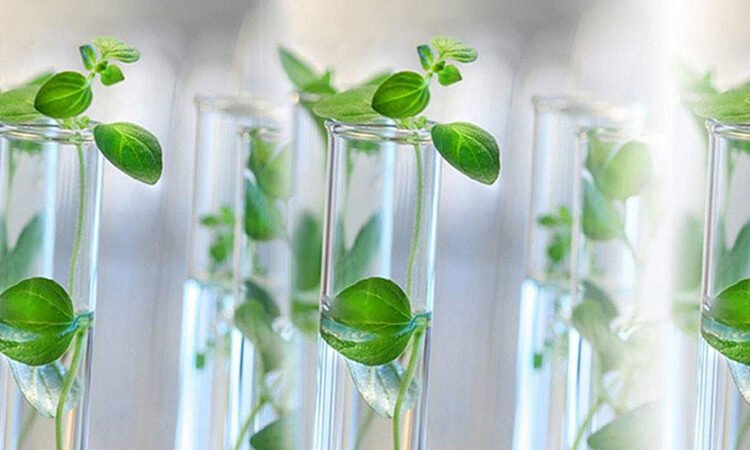
The production of tissue culture plants has become a cornerstone of modern horticulture, enabling large-scale cultivation of uniform, disease-free planting material. As global demand for high-yield and consistent crops continues to rise, quality control has become a critical factor in ensuring the success of tissue culture operations. Without strict standards, even minor contamination or genetic variation can lead to significant losses in commercial farming systems.
In the international plant trade, consistency and reliability are essential for bulk buyers, which is why sourcing from reputable suppliers is so important. Many commercial growers rely on Wholesale Tissue Culture Plants to ensure they receive laboratory-tested, high-quality plantlets that meet strict production and export requirements. Proper quality control not only improves survival rates but also ensures that plants perform uniformly across large-scale plantations.
Importance of Quality Control in Tissue Culture Production
Quality control in tissue culture is essential because the entire production process takes place in a controlled laboratory environment. Any contamination or deviation in protocol can quickly spread and affect thousands of plantlets.
Strict quality systems help ensure:
- Genetic stability of plant material
- Freedom from bacteria, fungi, and viral infections
- Consistent growth performance
- High survival rates during acclimatization
Because tissue culture involves rapid multiplication, even small errors can multiply quickly, making quality control a non-negotiable part of production.
Sterile Laboratory Conditions
One of the most critical aspects of tissue culture production is maintaining sterile conditions throughout all stages. Laboratories must be designed to minimize contamination risks from air, equipment, and human handling.
Key sterilization practices include:
- Use of laminar airflow cabinets during culturing
- Regular sterilization of tools and containers
- Autoclaving of nutrient media and instruments
- Controlled access to laboratory areas
Maintaining a sterile environment ensures that plant tissues develop without interference from harmful microorganisms, which could otherwise compromise entire batches.
Genetic Fidelity and Plant Uniformity
Genetic fidelity refers to maintaining the exact genetic characteristics of the parent plant throughout the propagation process. This is one of the primary advantages of tissue culture, but it also requires strict monitoring.
To maintain genetic stability, producers implement:
- Careful selection of elite mother plants
- Regular testing of plant samples
- Controlled multiplication cycles
- Monitoring for somaclonal variation
Ensuring genetic fidelity guarantees that all plants produced will exhibit uniform traits such as growth rate, yield, and resistance to environmental stress.
Contamination Control and Monitoring
Contamination is one of the biggest risks in tissue culture production. Even a small infection can spread rapidly in a laboratory environment, affecting thousands of plantlets.
To prevent contamination, producers use:
- Continuous visual inspection of cultures
- Routine microbial testing
- Isolation of infected samples
- Strict hygiene protocols for lab personnel
Early detection and removal of contaminated cultures help maintain overall batch quality and prevent large-scale losses.
Acclimatization and Hardening Processes
Once plantlets are produced in the laboratory, they must be gradually adapted to external environmental conditions. This stage is known as acclimatization or hardening, and it is crucial for plant survival.
Key steps include:
- Gradual exposure to natural light and humidity
- Controlled transfer from sterile media to soil or substrate
- Monitoring of root development and moisture levels
- Protection from pests and temperature stress
Poor acclimatization practices can significantly reduce survival rates, even if laboratory production is flawless.
Testing, Documentation, and Certification
Modern tissue culture production facilities rely heavily on testing and documentation to maintain quality assurance. These systems also help meet international trade and export requirements.
Common quality assurance practices include:
- Regular microbial and genetic testing
- Batch-wise production tracking
- Documentation of growth conditions and inputs
- Compliance with phytosanitary standards
Certification from agricultural authorities or industry bodies further enhances trust among global buyers and supports smooth export processes.
Packaging and Transportation Standards
Even after successful production, improper handling during packaging and transport can affect plant quality. Therefore, strict protocols are followed to ensure safe delivery.
Best practices include:
- Use of moisture-retaining packaging materials
- Temperature-controlled shipping environments
- Proper labeling and batch identification
- Minimizing transit time to reduce stress on plants
These measures help ensure that plants arrive in optimal condition and are ready for immediate transplantation.
Conclusion
Quality control is the foundation of successful tissue culture plant production. From sterile laboratory practices to genetic monitoring and careful acclimatization, every stage plays a vital role in ensuring plant health and uniformity. Without these standards, large-scale production would not be possible or reliable.
As global agriculture continues to evolve, the importance of strict quality assurance will only increase. Reliable production systems not only improve crop performance but also build trust between suppliers and bulk buyers in the international horticulture market.


