
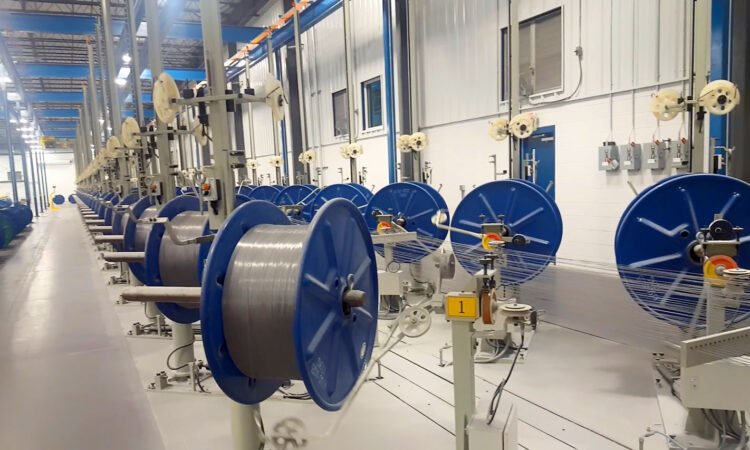
Hot dip galvanizing is widely used to protect steel from corrosion by applying a durable zinc coating. While the process is highly effective, achieving a perfect finish requires strict control over every production stage. Even small variations in surface preparation, temperature, or zinc bath conditions can lead to coating imperfections.
In a modern hot dip galvanizing line, manufacturers carefully monitor each step to minimize defects and ensure consistent coating quality. Understanding common coating issues and their root causes is essential for improving production efficiency and product performance.
Uneven Coating Thickness
One of the most frequently observed defects is uneven coating thickness. This occurs when zinc is not distributed uniformly across the steel surface.
Main causes include:
- Irregular steel surface preparation
- Inconsistent withdrawal speed from the zinc bath
- Poor air knife adjustment
- Variations in steel chemistry
If not controlled, uneven thickness can reduce corrosion resistance in thinner areas while wasting material in thicker sections.
Zinc Drips and Runs
Zinc drips appear when excess molten zinc solidifies on the surface during cooling. These formations often look like thick, uneven droplets along edges or lower sections of steel components.
This defect is usually caused by:
- Improper air wiping pressure
- Incorrect positioning of steel during withdrawal
- Low zinc drainage efficiency
Improving air knife control and optimizing steel angle during removal from the bath can significantly reduce this issue.
Bare Spots on Steel Surface
Bare spots are areas where zinc fails to coat the steel surface, leaving it exposed to corrosion. This is a serious defect that compromises long-term durability.
Common reasons include:
- Incomplete cleaning during degreasing
- Residual rust or mill scale after pickling
- Poor flux application
- Surface contamination before immersion
Bare spots highlight the importance of proper surface preparation before galvanizing begins.
Excessive Alloy Layer Growth
In some cases, the zinc-iron alloy layer becomes too thick, resulting in a brittle and rough coating. This can reduce adhesion strength and affect surface appearance.
The main causes are:
- High silicon or phosphorus content in steel
- Excessive immersion time in molten zinc
- High bath temperature
Controlling steel composition and maintaining stable operating conditions helps prevent this defect.
Ash Inclusion Defects
Ash inclusions occur when zinc oxide or flux residues become trapped in the coating. These appear as rough patches or embedded particles on the surface.
They are typically caused by:
- Poor skimming of zinc bath surface
- Excess oxidation in the furnace
- Inadequate flux control
- Contaminated steel entry into the bath
Proper bath maintenance and surface cleaning reduce the risk of ash contamination.
Pitting and Surface Roughness
Pitting refers to small cavities or uneven textures on the coated surface. While not always visible immediately, it can affect long-term performance.
Possible causes include:
- Gas entrapment during immersion
- Incomplete surface cleaning
- Improper flux drying
- Chemical imbalance in the zinc bath
Maintaining stable chemical conditions is essential for smooth coating formation.
Dross-Related Defects
Dross is a natural byproduct of the galvanizing process formed by zinc-iron reactions. If not properly controlled, it can cause surface defects or contamination.
Common issues include:
- Dross particles sticking to steel surfaces
- Rough coating texture
- Reduced coating uniformity
Efficient dross removal and filtration systems in a modern hot dip galvanizing line help maintain coating cleanliness.
Blistering After Cooling
Blistering appears as raised bubbles on the coating surface after solidification. This defect weakens the protective layer and can lead to premature corrosion.
It is usually caused by:
- Moisture trapped under the coating
- Poor drying before zinc immersion
- Gas release during cooling
- Contaminants on steel surface
Proper drying and preheating are critical to preventing blister formation.
Surface Discoloration
Discoloration does not always affect performance but can indicate inconsistencies in the process. The coating may appear dull, uneven, or patchy in color.
Typical causes include:
- Variation in cooling rates
- Uneven zinc composition
- Oxidation during solidification
- Irregular air knife operation
While mostly aesthetic, discoloration may signal underlying process instability.
Conclusion
Coating defects in galvanizing can significantly impact product quality, durability, and performance. Most issues originate from surface preparation errors, improper bath conditions, or poor process control.
A well-managed hot dip galvanizing line helps minimize these defects through precise automation, stable temperature regulation, and strict quality control. By understanding the root causes of common issues, manufacturers can achieve more consistent, high-quality galvanized steel suitable for demanding industrial applications.


