
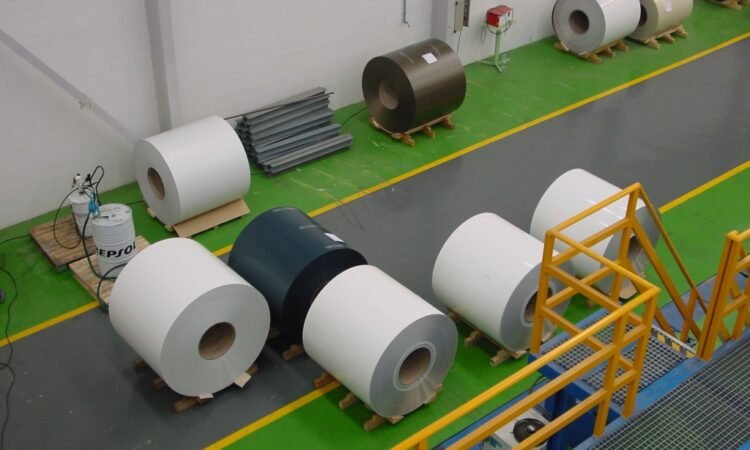
In modern metal processing industries, maintaining consistent product quality is essential for ensuring performance, durability, and customer satisfaction. A color coating line is designed not only for efficient production but also for strict quality control throughout every stage of the coating process. From surface preparation to final inspection, each step is carefully monitored to ensure uniformity and reliability in the finished metal products.
A well-structured color coating line integrates advanced automation systems and precision monitoring tools that help manufacturers maintain stable production conditions. These systems are responsible for controlling coating thickness, temperature, chemical composition, and line speed, all of which directly influence the final product quality.
Importance of Quality Control in Color Coating Processes
Quality control plays a critical role in ensuring that coated metal products meet industrial standards. Even minor variations in surface treatment or coating application can lead to defects such as peeling, uneven color, or reduced corrosion resistance.
Effective quality control ensures:
- Consistent coating thickness
- Strong adhesion between layers
- Uniform color and surface finish
- Long-term durability of the product
Without strict monitoring, production efficiency may increase, but product reliability can significantly decrease.
Raw Material Inspection and Preparation
Quality control begins at the earliest stage of production with raw material inspection. Metal coils must be checked for surface defects, dimensional accuracy, and contamination before entering the production line.
Key inspection points include:
- Surface cleanliness and oil contamination levels
- Thickness and width accuracy of metal coils
- Presence of rust, scratches, or dents
Proper material selection and inspection ensure that downstream processes are not affected by initial defects.
Surface Treatment Quality Monitoring
Surface treatment is one of the most sensitive stages in a color coating line. It directly affects coating adhesion and final product durability.
Quality control measures in this stage include:
- Monitoring chemical concentration in cleaning solutions
- Ensuring uniform rinsing and drying
- Checking conversion coating coverage and consistency
Any imbalance in chemical treatment can result in poor adhesion or premature coating failure.
Coating Thickness and Application Control
Coating application is another critical area where precision is essential. The thickness of primer and top coats must be controlled within strict tolerances to ensure both aesthetic and functional performance.
Modern systems use sensors and automated controls to regulate:
- Roller pressure and speed
- Paint viscosity and flow rate
- Coating uniformity across the metal surface
Regular calibration of equipment ensures consistent application quality throughout production runs.
Curing Process and Temperature Regulation
The curing oven plays a vital role in solidifying the coating layers. Proper temperature control ensures that the paint fully bonds with the metal surface without defects.
Quality checks in this stage focus on:
- Oven temperature uniformity
- Heating duration consistency
- Prevention of overheating or under-curing
Improper curing can lead to issues such as discoloration, weak adhesion, or reduced durability.
Online Monitoring and Automation Systems
Modern production lines rely heavily on automation and real-time monitoring systems. These technologies help detect deviations immediately and reduce production errors.
Common monitoring tools include:
- Thickness measurement sensors
- Temperature control systems
- Vision inspection systems for surface defects
Automation enhances efficiency while maintaining strict quality standards throughout the process.
Final Inspection and Product Testing
Before coated coils are released for use, they undergo final inspection and testing. This step ensures that all quality requirements have been met.
Typical tests include:
- Adhesion strength testing
- Color consistency verification
- Surface hardness and scratch resistance checks
- Corrosion resistance evaluation
Only products that pass these tests are approved for shipment and industrial use.
Role of Operators and Maintenance in Quality Assurance
While automation plays a major role, skilled operators are still essential for maintaining quality. Regular maintenance of equipment ensures that all systems function correctly and consistently.
Important maintenance tasks include:
- Cleaning coating rollers and nozzles
- Checking sensor calibration
- Inspecting mechanical components for wear
- Ensuring chemical balance in treatment tanks
Preventive maintenance reduces downtime and helps maintain stable product quality.
Conclusion
Quality control in a color coating line is a comprehensive process that spans from raw material inspection to final product testing. Every stage contributes to ensuring that coated metal products meet strict industrial standards for durability, appearance, and performance.
By combining advanced automation with continuous monitoring and skilled operational practices, manufacturers can achieve high efficiency without compromising quality. As industrial demand continues to grow, effective quality control remains a key factor in the success of modern metal coating operations.


