
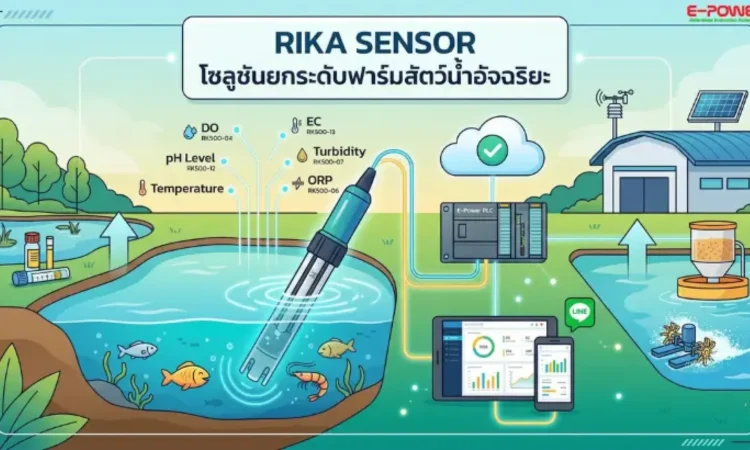
Smart monitoring systems are transforming how industries observe, analyze, and respond to environmental and operational conditions. From precision agriculture to industrial automation and smart cities, these systems depend on accurate and timely data to function effectively. At the heart of every smart monitoring system lies a network of sensors that continuously collect critical information from the surrounding environment.
As the demand for automation and data-driven decision-making grows, the importance of high-quality sensors becomes even more evident. Reliable sensing solutions ensure that monitoring systems operate efficiently without errors or delays. In this context, Rika Sensor technology stands out as a key contributor, offering dependable and precise measurements that enhance the performance of modern monitoring systems.
The Foundation of Smart Monitoring
Sensors act as the primary data collection tools in any smart monitoring setup. They measure various environmental parameters such as temperature, humidity, air pressure, wind speed, rainfall, and air quality. This data is then transmitted to centralized platforms where it is analyzed and used to make decisions, trigger alerts, or automate processes.
Without accurate sensors, even the most advanced monitoring systems can fail. Incorrect data can lead to poor analysis, faulty predictions, and ineffective responses. This makes the selection of high-performance sensors a critical step in building reliable monitoring infrastructure.
Precision and Data Accuracy
One of the main reasons Rika sensors are essential is their high level of precision. In smart monitoring systems, even minor inaccuracies can lead to significant consequences. For example, in agricultural applications, incorrect soil moisture readings can result in over-irrigation or water shortages, both of which affect crop yield.
Rika sensors are engineered to provide highly accurate readings across various environmental conditions. Their advanced calibration processes and quality materials ensure consistent performance. This precision enables users to rely on the data for making critical decisions, ultimately improving efficiency and reducing risks.
Real-Time Monitoring and Fast Response
Smart monitoring systems rely heavily on real-time data to function effectively. The ability to detect and respond to changes instantly is crucial in many applications. Rika sensors support continuous data collection and rapid transmission, allowing systems to react without delay.
For instance, in weather monitoring, sudden changes in wind speed or rainfall must be detected immediately to issue timely warnings. In industrial environments, real-time temperature monitoring can prevent machinery from overheating. By delivering instant data, Rika sensors enhance the responsiveness and reliability of smart systems.
Durability in Challenging Conditions
Monitoring systems are often deployed in environments that expose equipment to extreme conditions. These may include high temperatures, heavy rainfall, dust, or strong winds. Sensors that cannot withstand such conditions may fail or provide inaccurate readings.
Rika sensors are designed with durability in mind. Their robust construction and protective features allow them to operate reliably in harsh environments. This durability ensures uninterrupted data collection and reduces the need for frequent maintenance or replacements, making them a cost-effective solution in the long run.
Seamless Integration with Modern Technologies
Another key advantage of Rika sensors is their compatibility with modern monitoring technologies. Smart systems often involve IoT platforms, cloud-based analytics, and wireless communication networks. Sensors must integrate smoothly with these technologies to ensure efficient data flow.
Rika sensors support multiple communication protocols, making them easy to connect with existing systems. This flexibility allows organizations to implement or expand their monitoring solutions without major technical challenges. Seamless integration also ensures that data remains consistent and accessible across platforms.
Versatile Applications Across Industries
Rika sensors are widely used in various industries due to their adaptability and performance. In agriculture, they help optimize irrigation and monitor weather conditions. In environmental monitoring, they track air quality and climate changes. In industrial settings, they ensure safe and efficient operations by monitoring critical parameters.
Smart city initiatives also rely on sensors to manage traffic, reduce pollution, and improve public services. Water management systems use sensors to monitor water levels and quality. This wide range of applications highlights the importance of reliable sensors in modern monitoring systems.
Enhancing Decision-Making and Efficiency
Accurate and real-time data collected by Rika sensors plays a vital role in improving decision-making. Organizations can analyze trends, predict potential issues, and take proactive measures. This leads to better resource management, reduced operational costs, and improved overall efficiency.
In addition, automated systems benefit from precise sensor data by performing tasks more effectively. Whether it is adjusting irrigation schedules or controlling industrial processes, accurate input ensures optimal performance.
Conclusion
Smart monitoring systems are becoming essential in today’s data-driven world, and their success depends largely on the quality of sensors used. Rika sensors provide the accuracy, reliability, and durability needed to support these systems across various applications.
By offering precise measurements, real-time monitoring, and seamless integration, Rika sensors play a crucial role in enhancing system performance. As industries continue to adopt smart technologies, the importance of dependable sensors will only grow, making Rika sensors an essential component of modern monitoring solutions.


