
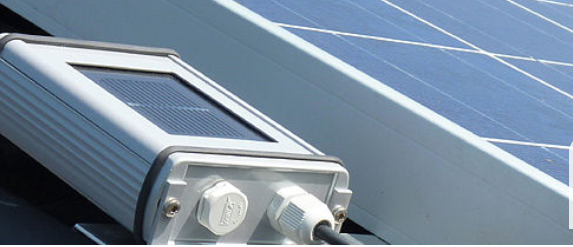
An Irradiance Sensor is a vital tool for measuring solar radiation, providing data essential for solar energy systems, environmental studies, and agricultural management. Accurate irradiance measurements are crucial for optimizing solar panel efficiency, forecasting energy production, and understanding the effects of sunlight on crops and ecosystems. Over time, the accuracy of these sensors can be affected by environmental exposure, dust accumulation, and natural wear. Therefore, proper maintenance and regular calibration are necessary to ensure reliable and precise data collection.
Proper calibration of an Irradiance Sensor ensures that its readings remain accurate over time. Calibration involves comparing the sensor’s output to a known reference standard and adjusting it to correct any deviations. High-quality sensors, such as the Irradiance Sensor from Rika Sensor, offer stable performance and can be recalibrated periodically to maintain their precision. Calibration is especially important in research and solar energy applications where even minor errors can affect data reliability, system performance, and energy forecasting.
Importance of Regular Maintenance
Regular maintenance is essential to prevent inaccuracies caused by dirt, dust, and environmental factors. Outdoor sensors are exposed to sunlight, rain, wind, and pollutants, which can accumulate on the sensor surface and affect readings. Cleaning the sensor with a soft, non-abrasive cloth and mild cleaning solution helps maintain accurate measurements. Avoid using harsh chemicals or abrasive materials, as these can damage the sensor’s sensitive components. Consistent maintenance also extends the lifespan of the sensor and reduces the likelihood of costly replacements.
Calibration Techniques
Calibration techniques for irradiance sensors vary depending on the sensor type and application. The two main methods are field calibration and laboratory calibration:
- Field Calibration: This method involves comparing the sensor’s readings to a reference sensor installed at the same site under identical environmental conditions. It allows for real-time adjustments and is practical for ongoing monitoring systems. Field calibration is convenient but may be affected by weather variations and atmospheric conditions.
- Laboratory Calibration: Conducted under controlled conditions, laboratory calibration uses a reference light source or standard irradiance measurement device. This method provides high precision and is ideal for ensuring long-term sensor accuracy. Sensors are typically calibrated at periodic intervals to maintain data integrity, especially in scientific research or large-scale solar installations.
Frequency of Maintenance and Calibration
The frequency of maintenance and calibration depends on the sensor type, environmental conditions, and application requirements. In areas with high dust, pollution, or extreme weather, more frequent cleaning and calibration may be necessary. For research-grade sensors used in critical measurements, calibration may be required annually or biannually. For general solar energy monitoring, semi-annual checks are often sufficient. Monitoring the sensor’s output and comparing it with reference data can also indicate when calibration is needed.
Protective Measures
To reduce maintenance needs and prolong sensor life, protective measures can be implemented. Installing sensors under transparent covers or shields helps prevent dirt and debris accumulation while still allowing sunlight to reach the sensor. Weatherproof housings protect against rain, snow, and UV radiation. Choosing sensors with durable coatings and materials designed for outdoor use minimizes environmental degradation and ensures consistent performance over time.
Documentation and Record Keeping
Maintaining records of calibration and maintenance activities is important for verifying sensor accuracy and compliance with standards. Documentation should include the date of calibration, the method used, any adjustments made, and observations during maintenance. For solar energy systems, these records help track performance trends and detect potential issues early. In scientific studies, proper documentation ensures that data remains credible and reproducible.
Troubleshooting and Sensor Replacement
Even with proper maintenance and calibration, sensors may occasionally experience performance issues. Common problems include inconsistent readings, signal drift, or damage to the sensing surface. Troubleshooting involves inspecting the sensor for dirt, checking connections, and verifying calibration. If the sensor consistently fails to produce accurate measurements despite proper maintenance, replacement may be necessary to maintain data reliability. Selecting high-quality sensors reduces the likelihood of premature failure and ensures long-term accuracy.
Conclusion
Maintenance and calibration are critical for ensuring the accuracy and reliability of irradiance sensors. Regular cleaning, proper calibration, and protective measures help maintain consistent performance, extend sensor lifespan, and support accurate solar energy forecasting, agricultural management, and environmental research. By documenting all maintenance and calibration activities, users can verify data integrity and detect issues early. Investing time and effort in proper sensor care ensures that irradiance measurements remain precise and valuable for long-term applications.


