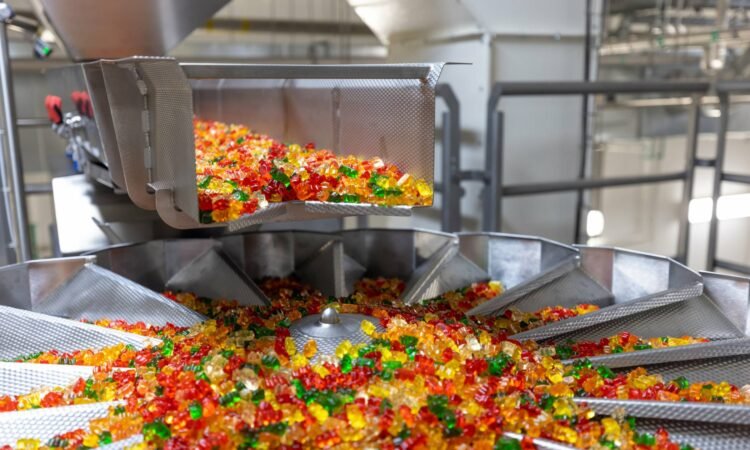
The production of gums and jellies involves a detailed process that combines precision, timing, and proper use of specialized machinery. Efficient operation of manufacturing equipment ensures consistent quality, optimal production speed, and minimal waste. For both new manufacturers and experienced operators, understanding each step of the process is crucial to achieving the best results.
Gums and jellies are produced through a series of steps that include mixing, cooking, molding, cooling, and packaging. Using the right Gums and Jellies Manufacturing Equipment can make these processes smoother and more reliable. These machines are designed to handle everything from small-scale artisan production to high-volume industrial output, providing precision and control at every stage of candy making.
Step 1: Preparing Ingredients
The first step in producing gums and jellies is ingredient preparation. This typically involves measuring sugar, glucose syrup, water, gelling agents, flavorings, and colorings. Accurate measurement is critical, as any deviation can affect texture, taste, and consistency. Using automated ingredient feeders available in some modern equipment can reduce errors and improve efficiency.
Step 2: Mixing
Once the ingredients are ready, they are combined in a mixing machine. Proper mixing ensures a uniform solution and helps dissolve sugar completely. Many gums and jellies manufacturing machines feature temperature-controlled mixers that maintain the ideal consistency of the mixture. Continuous mixing prevents ingredient separation and prepares the mass for the cooking phase.
Step 3: Cooking
Cooking is a critical step in candy production. The mixture is heated to specific temperatures to achieve the desired texture and gel strength. Modern equipment often uses vacuum cooking technology to reduce cooking time and prevent sugar crystallization. This ensures that the final product has a smooth, elastic texture. Precise temperature and pressure controls allow operators to maintain quality across batches.
Step 4: Depositing and Molding
After cooking, the candy mass is ready for shaping. Depositing machines accurately portion the mixture into molds or trays, ensuring uniform size and weight. Molding machines can create a variety of shapes, from simple cubes to intricate designs, without compromising the consistency of the candy. Using automated molding systems minimizes manual handling, reduces waste, and increases overall production speed.
Step 5: Cooling and Setting
Once molded, gums and jellies need to cool and set properly. Cooling tunnels or controlled environment chambers are used to regulate airflow and temperature, allowing candies to solidify without losing shape. This step is essential for achieving the right texture and firmness. Proper cooling also prevents deformation and maintains the aesthetic appeal of the candies.
Step 6: Coating and Flavoring
Many gums and jellies are coated with sugar, sour powders, or chocolate to enhance flavor and visual appeal. Coating machines apply these layers evenly, ensuring every piece meets quality standards. Automated coating systems are particularly useful in large-scale production, as they maintain consistency while reducing labor requirements.
Step 7: Packaging
The final step in the production process is packaging. Modern equipment offers various options, including flow wrapping, pouch packing, and box packing. Automated packaging machines improve hygiene, extend shelf life, and protect products during transportation. Efficient packaging systems also streamline operations, enabling higher output without compromising quality.
Step 8: Cleaning and Maintenance
Proper cleaning and maintenance of equipment are essential to ensure longevity and prevent contamination. Most gums and jellies manufacturing machines are designed with food-grade materials and accessible components to simplify cleaning. Regular maintenance checks and timely servicing prevent downtime and maintain production efficiency.
Tips for Effective Equipment Use
- Follow Manufacturer Guidelines: Always adhere to operational instructions provided by the equipment manufacturer to ensure safety and optimal performance.
- Monitor Temperature and Consistency: Use sensors and controls to maintain precise conditions during cooking and molding.
- Train Staff: Skilled operators can quickly identify issues and adjust parameters to maintain consistent product quality.
- Plan Production Flow: Organize equipment layout to reduce unnecessary movement and streamline the production line.
- Regular Inspections: Frequent checks of motors, belts, and heating systems prevent breakdowns and extend equipment life.
Conclusion
Using gums and jellies manufacturing equipment effectively requires understanding each stage of production, from ingredient preparation to packaging. Following a step-by-step approach ensures high-quality products, reduces waste, and maximizes efficiency. Modern automated systems not only speed up production but also maintain consistency, making them invaluable for both small and large-scale manufacturers.
By investing in reliable equipment and following best practices, manufacturers can meet market demand, enhance productivity, and maintain a competitive edge in the growing confectionery industry. Proper operation, regular maintenance, and skilled staffing are key to getting the most out of the machinery, ultimately resulting in delicious, high-quality gums and jellies that satisfy consumers.