
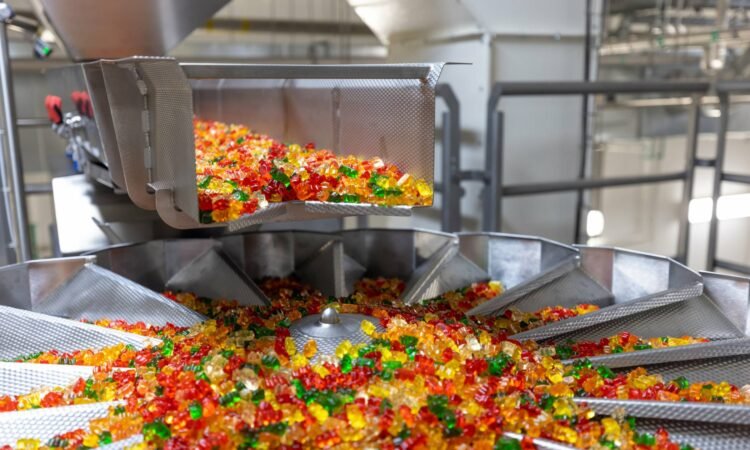
Gums and jellies manufacturing is a precise process that relies heavily on specialized machinery to produce high-quality products efficiently. From cooking and mixing to molding, cooling, and packaging, each stage requires equipment that performs consistently under demanding conditions. Proper maintenance of this machinery is crucial to ensure smooth operations, reduce downtime, and extend the lifespan of the equipment. Neglecting maintenance can lead to product inconsistencies, higher repair costs, and unexpected production halts, which can significantly impact a factory’s productivity and profitability.
Gums and jellies are made from sugar, glucose syrup, water, gelling agents, flavorings, and colorings. These ingredients require careful handling during production, and the equipment must operate under strict temperature and timing controls. To maintain optimal performance, regular inspection, cleaning, and servicing of machinery are necessary. Factories investing in high-quality Gums and Jellies Manufacturing Equipment can benefit from longer equipment life and more consistent product quality, provided that proper maintenance practices are followed consistently.
Regular Cleaning
One of the most important aspects of equipment maintenance is thorough cleaning. Sugar-based products can leave sticky residues that, if not removed, can cause mechanical issues, contamination, and even microbial growth. Cleaning should be done at the end of each production cycle and include all components that come into contact with the product, such as mixing bowls, molds, conveyor belts, and extruders. Using food-safe cleaning solutions and following manufacturer guidelines ensures both hygiene and equipment safety.
Lubrication of Moving Parts
Gums and jellies manufacturing machines contain multiple moving components, such as gears, bearings, and motors. Regular lubrication reduces friction and wear, preventing premature breakdowns and extending equipment life. Use only recommended lubricants and apply them according to the manufacturer’s schedule. Over-lubrication or using incorrect oils can cause operational issues or contamination, so adherence to specifications is critical.
Inspection and Replacement of Wearable Parts
Machinery often includes components that experience wear over time, including belts, seals, gaskets, and cutting blades. Regular inspection of these parts is essential to identify signs of wear or damage before they lead to equipment failure. Replacing worn components promptly reduces the risk of unplanned downtime and ensures consistent product quality. Keeping an inventory of critical spare parts can also prevent extended production stoppages in case of a sudden failure.
Calibration and Adjustment
Precision is crucial in gummy and jelly production, as factors such as temperature, mixing speed, and portioning directly affect product quality. Regular calibration of temperature sensors, mixing paddles, and portioning devices ensures accurate operation. Additionally, adjustments to equipment alignment and tension can prevent uneven cooking, shaping inconsistencies, and product defects. Periodic calibration should be documented and scheduled according to manufacturer recommendations.
Preventive Maintenance Schedule
Developing a preventive maintenance schedule is one of the most effective ways to reduce equipment breakdowns. A preventive plan should include daily, weekly, monthly, and annual checks, covering cleaning, lubrication, inspection, and calibration. Scheduled maintenance allows factory managers to anticipate issues before they escalate, minimizing disruptions to production and avoiding costly emergency repairs. Many manufacturers provide maintenance guides that can be tailored to the factory’s specific production volume and equipment usage.
Training and Safety Measures
Properly trained staff play a vital role in maintaining gums and jellies manufacturing machinery. Employees should be familiar with operating procedures, cleaning protocols, and basic troubleshooting techniques. Adequate training reduces the likelihood of human error that can lead to equipment damage or safety hazards. Additionally, following safety guidelines, such as locking out machines before servicing and wearing appropriate protective gear, ensures a safe working environment.
Environmental Considerations
The operating environment of the factory can also impact equipment maintenance. Excessive humidity, dust, and temperature fluctuations can affect machinery performance and longevity. Maintaining a controlled environment with proper ventilation and temperature control helps prevent corrosion, overheating, and other environmental damage. This is particularly important for cooling tunnels, refrigeration units, and coating machines used in gummy and jelly production.
Documentation and Record-Keeping
Maintaining detailed records of all maintenance activities is a best practice for any manufacturing facility. Documentation should include cleaning logs, lubrication schedules, part replacements, calibration dates, and any repairs performed. These records provide valuable insights into equipment performance trends, help in planning preventive maintenance, and can be useful during audits or warranty claims.
Conclusion
Maintaining Gums and Jellies Manufacturing Equipment is essential for ensuring consistent product quality, operational efficiency, and long-term equipment reliability. Regular cleaning, lubrication, inspection, calibration, and adherence to a preventive maintenance schedule are all critical practices that contribute to smooth production operations. Proper staff training and attention to environmental factors further enhance machinery longevity and reduce the risk of production disruptions.
By implementing a comprehensive maintenance plan, factories can minimize downtime, reduce repair costs, and maximize the lifespan of their equipment, ultimately supporting efficient, high-quality gummy and jelly production. Factories that prioritize maintenance not only protect their investment in machinery but also ensure a steady supply of quality confectionery products that meet consumer expectations.


