
Back pain and discomfort are common issues affecting millions of people worldwide. From office workers to athletes, maintaining proper spinal support is crucial for both comfort and injury prevention. As a result, back support products have become widely available, ranging from rigid braces to flexible belts. Among these, neoprene back supports stand out for their unique combination of comfort, flexibility, and stability. Understanding the differences between neoprene and other types of back supports can help individuals choose the right option for their needs.
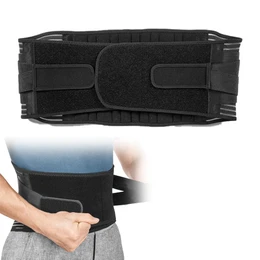
Neoprene back supports are made from synthetic rubber material known for its durability and elasticity. Unlike rigid braces or traditional fabric belts, neoprene provides both compression and heat retention, which can aid in muscle relaxation and pain relief. Many people rely on products like Neoprene Back Support to support their lower back during work, exercise, or daily activities. The material conforms to the body, providing targeted support without restricting natural movement, which is a key advantage over many conventional back supports.
Understanding Different Types of Back Supports
There are several types of back supports available, each designed for specific purposes. Rigid back braces are typically made from hard plastic or metal and are designed to immobilize the spine. They are often recommended for serious injuries or post-surgical recovery, where limiting movement is critical. While highly supportive, rigid braces can be bulky, uncomfortable, and restrictive, making them less suitable for daily activities or active individuals.
Soft fabric belts or elastic lumbar supports offer a more flexible approach. They provide mild compression and some stabilization but generally lack the structural integrity of rigid braces. These types of supports can be suitable for minor discomfort or posture improvement, but they may not offer sufficient protection during high-intensity activities or heavy lifting.
Neoprene back supports fall somewhere between these two extremes. They combine the flexibility of soft supports with the compression and stability benefits that help protect the lower back. This makes them suitable for a wide range of users, including those recovering from minor injuries, athletes, and people with chronic back strain.
Key Features of Neoprene Back Support
One of the most significant advantages of neoprene back supports is their heat-retention capability. By keeping the lower back warm, neoprene helps relax tight muscles and improve blood circulation. This can enhance comfort, reduce stiffness, and promote faster recovery after physical activity or prolonged sitting.
Adjustability is another important feature. Neoprene supports typically come with Velcro straps or hook-and-loop closures, allowing users to customize the fit according to their needs. This ensures consistent support while accommodating different body shapes and sizes. Many rigid braces lack this level of flexibility, which can make them less comfortable for extended wear.
Durability and comfort also set neoprene apart. The material is resilient and able to maintain its shape over time, even with frequent use. It is also lightweight and breathable when designed with perforations or mesh panels, reducing overheating and sweating during extended wear. In contrast, some traditional back supports may feel heavy or constrictive, particularly during physical activities.
How Neoprene Back Support Helps Compared to Others
Neoprene back supports offer several practical benefits that differentiate them from other types of braces. First, the combination of compression and flexibility provides both stabilization and freedom of movement. This is particularly valuable for individuals who need support while staying active, such as athletes or workers performing physical tasks.
Second, the heat-retention properties of neoprene help alleviate muscle tension, which can be less pronounced in rigid braces or basic fabric belts. Warm muscles are less prone to strain, which may contribute to reduced discomfort during prolonged periods of activity or after workouts.
Third, neoprene supports encourage better posture by promoting spinal alignment without restricting motion. Poor posture is a common cause of back pain, and maintaining proper alignment is essential for preventing long-term issues. While rigid braces enforce posture mechanically, neoprene offers a gentler approach that is easier to integrate into daily routines.
Finally, neoprene supports can be worn discreetly under clothing, making them convenient for everyday use. Some rigid or bulkier supports may be difficult to wear under clothing, limiting their practicality for many users.
Who Can Benefit from Neoprene Back Support
Neoprene back supports are suitable for a broad range of users. Office workers, drivers, and others who spend long hours sitting can use them to improve posture and reduce lower back strain. Athletes and fitness enthusiasts can benefit from added support during training sessions, lifting, or high-impact sports. Individuals recovering from minor back injuries may find neoprene braces helpful for stabilizing muscles while maintaining mobility.
Unlike rigid braces that may restrict daily activity, neoprene supports provide a balance of protection and flexibility that fits into active lifestyles. They are also appropriate for long-term use, as their lightweight and comfortable design encourages consistent wear.
Conclusion
Neoprene back support offers a unique combination of benefits that distinguish it from other types of back supports. Its flexibility, compression, heat-retention, and adjustability make it suitable for a wide range of users, from office workers to athletes. While rigid braces provide maximum immobilization and fabric belts offer limited support, neoprene strikes a balance between comfort and protection. For individuals seeking an effective and versatile back support solution, neoprene back supports remain a reliable choice that can enhance both daily comfort and physical performance.


