
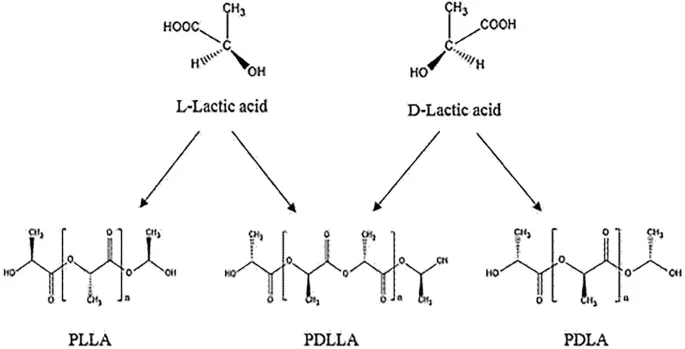
Poly-L-lactic acid, commonly known as PLLA, is a biodegradable and bioactive polymer that has become increasingly important in modern science, medicine, and industry. It is derived from lactic acid, a naturally occurring substance produced during the fermentation of carbohydrates. As awareness grows around sustainability and biocompatible materials, PLLA has emerged as a preferred option due to its ability to safely degrade within the body and the environment. Its balance of strength, safety, and adaptability has positioned it as a material of choice across multiple sectors.
Chemical Structure and Fundamental Characteristics
PLLA is produced through the polymerization of L-lactic acid, which is typically sourced from renewable materials such as corn or sugarcane. This renewable origin contributes to its environmentally friendly profile. The polymer is semi-crystalline in nature, giving it notable mechanical strength and thermal resistance compared to other biodegradable plastics. These characteristics allow PLLA to maintain structural integrity for a controlled period before breaking down.
In practical applications, PLLA is valued for its predictable degradation rate and stability, especially in fields that require precision and safety. Its molecular structure can be adjusted during manufacturing to control factors such as rigidity, durability, and absorption time, making it highly versatile for specialized uses.
Biodegradability and Biocompatibility
One of the defining features of Poly-L-lactic acid is its biodegradability. Unlike conventional plastics that persist in the environment for decades, PLLA gradually degrades through hydrolysis into lactic acid. This byproduct is naturally metabolized by the body into carbon dioxide and water, ensuring minimal biological impact.
Biocompatibility is equally important, particularly in medical applications. PLLA does not trigger significant immune responses when introduced into the body, which reduces the risk of complications. This property makes it suitable for applications where prolonged contact with tissues is required, offering both safety and reliability over time.
Applications in Medicine and Healthcare
PLLA has been used in medical settings for several decades. One of its earliest and most common uses is in absorbable surgical sutures, which eliminate the need for removal after healing. Beyond sutures, PLLA is widely used in orthopedic devices such as screws, pins, and plates that provide temporary support during bone healing.
The material is also employed in tissue engineering and controlled drug delivery systems. Its gradual degradation allows medications to be released over time, improving treatment effectiveness. In regenerative medicine, PLLA scaffolds support cell growth and tissue formation before being naturally absorbed by the body.
Role in Aesthetic and Cosmetic Treatments
In aesthetic medicine, PLLA is known for its collagen-stimulating properties. Instead of acting as a traditional filler, it works by encouraging the body to produce its own collagen over time. This approach leads to gradual and natural-looking improvements in skin volume and texture.
Because the results develop progressively, treatments involving PLLA are often favored by individuals seeking subtle, long-lasting enhancements rather than immediate changes. Its safety profile and long history of medical use further support its popularity in cosmetic applications.
Industrial and Environmental Applications
Outside of healthcare, PLLA is gaining traction in industrial and environmental fields. Its biodegradable nature makes it a strong candidate for sustainable packaging, disposable utensils, and agricultural products. As global regulations tighten around plastic waste, industries are increasingly turning to materials like PLLA to reduce their environmental footprint.
PLLA is also compatible with modern manufacturing methods, including injection molding and 3D printing. This adaptability allows companies to integrate it into existing production processes without major changes, accelerating its adoption in commercial applications.
Benefits and Limitations of PLLA
The primary advantages of Poly-L-lactic acid include its renewable sourcing, biodegradability, and excellent compatibility with biological systems. It offers reliable performance and predictable degradation, which are critical in both medical and industrial contexts. However, PLLA does have limitations. It can be more costly than traditional plastics, and its rigidity may require modification or blending for applications that demand flexibility.
Despite these challenges, continuous research is improving its properties and expanding its potential uses.
Future Prospects of Poly-L-Lactic Acid
The future of PLLA is closely tied to advancements in sustainable materials and biomedical innovation. Ongoing research aims to enhance its mechanical performance, reduce production costs, and broaden its range of applications. As demand grows for materials that are both high-performing and environmentally responsible, Poly-L-lactic acid is expected to play an increasingly significant role in shaping the future of material science.


