
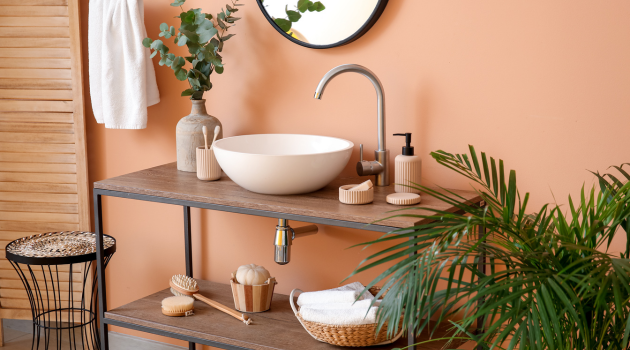
China has become a global leader in the sanitary ware industry, supplying a wide range of bathroom products to international markets. From ceramic toilets and washbasins to advanced solid surface bathtubs and sinks, Chinese manufacturers have significantly improved their production capabilities over the years. The success of this industry is largely driven by the adoption of advanced manufacturing technologies that improve efficiency, ensure consistent quality, and allow companies to meet global demand. As competition in the bathroom fixtures market continues to increase, technological innovation has become essential for maintaining high production standards and meeting modern consumer expectations.
One of the major reasons behind the success of the Chinese sanitary ware industry is its ability to integrate modern manufacturing technologies into large-scale production systems. Factories across key industrial regions are equipped with automated machinery, precision tools, and advanced material processing systems. Many international buyers rely on partnerships with Sanitary Ware Manufacturers in China because these companies can produce high-quality products efficiently while maintaining competitive costs. By combining automation, material science, and digital design technologies, Chinese manufacturers continue to strengthen their position in the global sanitary ware market.
Advanced Ceramic Production Technology
Ceramic manufacturing remains one of the most important technologies used in the sanitary ware industry. Many bathroom fixtures such as toilets, urinals, and basins are produced using high-quality ceramic materials. Chinese factories use advanced ceramic molding processes that ensure precise shapes and smooth finishes. These processes often include pressure casting technology, which allows manufacturers to create complex designs while maintaining uniform thickness and structural strength.
Tunnel kilns and automated firing systems are widely used to improve the efficiency of ceramic production. These high-temperature kilns ensure consistent firing conditions, which enhances durability and surface quality. Modern glazing technologies are also applied to create smooth, stain-resistant, and easy-to-clean surfaces that meet international quality standards.
Solid Surface and Artificial Stone Processing
In addition to ceramics, many Chinese sanitary ware manufacturers produce products using solid surface materials and artificial stone. These materials are widely used for bathtubs, sinks, countertops, and shower trays because they offer durability, aesthetic appeal, and design flexibility.
Manufacturing solid surface products involves mixing natural minerals with high-performance resins to create a moldable composite material. Once the mixture is poured into molds, it is cured under controlled conditions to form a strong and uniform structure. Computer-controlled cutting machines and polishing equipment are then used to shape and finish the products with high precision.
This technology allows manufacturers to create seamless designs with smooth edges and modern appearances. Solid surface materials are also popular because they can be repaired and refinished easily, making them a practical option for residential and commercial bathroom installations.
Automation and Smart Manufacturing Systems
Automation has become a key component of modern sanitary ware manufacturing in China. Many factories now use robotic arms, automated assembly lines, and digital monitoring systems to improve production efficiency. Automated equipment can handle tasks such as molding, glazing, polishing, and packaging with high accuracy and minimal human intervention.
Smart manufacturing systems also allow companies to monitor production processes in real time. Sensors and digital control systems collect data throughout the manufacturing cycle, enabling operators to detect errors quickly and maintain consistent product quality. This integration of digital technology helps manufacturers reduce waste, optimize production schedules, and improve overall efficiency.
Automation not only increases production capacity but also enhances workplace safety by reducing the need for manual handling of heavy materials and high-temperature equipment.
Computer-Aided Design and Product Development
Computer-aided design (CAD) software plays a crucial role in the development of modern sanitary ware products. Designers use digital modeling tools to create detailed product designs before manufacturing begins. These digital models allow engineers to test dimensions, structural strength, and aesthetics virtually, reducing the need for multiple physical prototypes.
Many manufacturers also use 3D modeling and rapid prototyping technologies to accelerate product development. These technologies enable companies to produce sample models quickly, allowing designers and clients to review the design before full-scale production begins.
By using CAD and digital design systems, Chinese sanitary ware manufacturers can develop innovative products that meet the specific requirements of international markets while maintaining precise manufacturing standards.
Surface Finishing and Quality Control Technologies
Surface finishing is a critical step in sanitary ware production because it directly affects product appearance and durability. Chinese manufacturers use advanced polishing, glazing, and coating technologies to achieve smooth and visually appealing surfaces. Anti-bacterial coatings and stain-resistant finishes are increasingly being applied to improve hygiene and ease of maintenance.
Quality control technologies also play an essential role in the manufacturing process. Many factories use automated inspection equipment and testing systems to ensure that products meet strict quality standards. These systems check for defects such as cracks, surface irregularities, or dimensional inconsistencies before products are packaged and shipped.
The Future of Manufacturing Technology in the Industry
The sanitary ware manufacturing sector in China continues to evolve as companies invest in new technologies and sustainable production methods. Future developments are likely to include greater use of artificial intelligence, energy-efficient manufacturing systems, and environmentally friendly materials.
As global demand for high-quality bathroom products continues to grow, Chinese manufacturers are expected to focus on improving automation, product innovation, and environmentally responsible production practices. With strong technological capabilities and large-scale manufacturing infrastructure, China will remain a major force in shaping the future of the global sanitary ware industry.


