
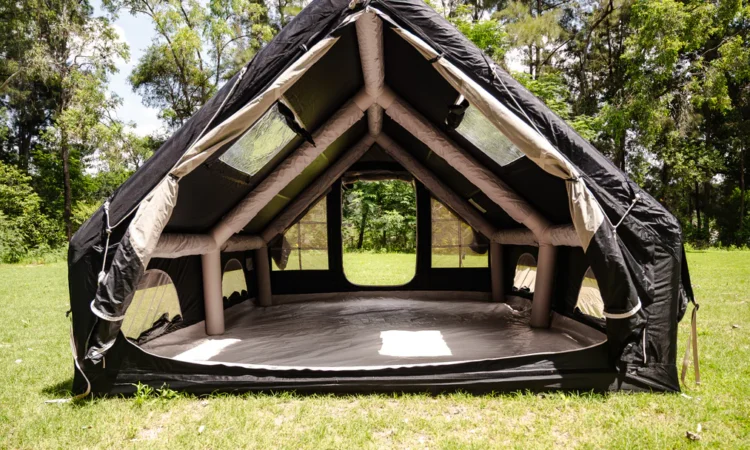
Inflatable tents have become a preferred choice for outdoor events, emergency shelters, promotional campaigns, and recreational activities due to their ease of deployment, portability, and versatile design. While functionality and aesthetics are essential, compliance with safety standards and certification requirements is equally critical in ensuring that inflatable tents are safe, durable, and reliable for end-users. Manufacturers must adhere to various regulations, both nationally and internationally, to meet legal and industry standards.
Compliance and certification are vital not only for legal purposes but also for building customer trust. Professional Inflatable Tent Manufacturers integrate these requirements into their production processes to guarantee that each tent meets established quality and safety benchmarks.
Importance of Compliance in Inflatable Tent Manufacturing
Compliance ensures that inflatable tents are designed and produced according to recognized safety, environmental, and quality standards. Non-compliance can lead to structural failures, air leaks, fire hazards, or rapid material degradation. Adhering to safety regulations is particularly important for tents used in public spaces, large gatherings, or emergency situations where human safety is a priority.
Regulatory compliance typically covers several aspects, including fire resistance, material strength, stability under load, and environmental impact. By following these guidelines, manufacturers reduce the risk of accidents and product liability, while customers gain confidence in the product’s performance.
Key Certifications for Inflatable Tents
Inflatable tent manufacturers often pursue certifications that demonstrate adherence to international safety and quality standards. These include:
1. Fire-Retardant Certification: Tents used in public venues or commercial events are required to meet fire safety standards. Materials are tested for flame resistance, smoke production, and flame spread. Fire-retardant certification ensures that the tent will not accelerate fire in case of an emergency, providing additional safety for occupants.
2. ISO 9001 Certification: ISO 9001 focuses on quality management systems, ensuring that manufacturers maintain consistent production quality, proper documentation, and continuous improvement practices. Achieving ISO 9001 certification demonstrates a commitment to high-quality manufacturing processes.
3. CE Certification: In the European Union, CE marking indicates that inflatable tents comply with EU safety, health, and environmental requirements. This certification covers aspects like structural integrity, materials, and environmental compliance, making the tents eligible for sale in EU countries.
4. RoHS Compliance: Restriction of Hazardous Substances (RoHS) compliance ensures that the materials used in tents are free from harmful chemicals such as lead, cadmium, and mercury. This certification protects both users and the environment.
5. ASTM Standards: The American Society for Testing and Materials (ASTM) provides standards for materials, load testing, and safety performance. Compliance with ASTM standards ensures that tents can withstand stress, wind, and pressure while maintaining structural stability.
Material and Structural Compliance
Compliance begins at the material selection stage. Inflatable tents commonly use PVC-coated polyester, Oxford fabric with PU coating, or airtight laminated textiles. These materials must meet standards for tensile strength, UV resistance, waterproofing, and fire retardancy. Additionally, seams, valves, and reinforcement patches are tested for durability to comply with safety regulations.
Structural compliance includes ensuring that the tent can withstand wind loads, weight stress, and repeated inflation cycles without failure. Manufacturers use simulation tools and physical tests to confirm that internal baffles, anchors, and tension systems maintain the tent’s integrity under various conditions.
Testing Procedures for Certification
To obtain certifications, inflatable tents undergo rigorous testing. This includes:
- Fire testing to evaluate flame resistance and smoke production.
- Air retention testing to verify airtightness over extended periods.
- Load and wind tests to assess structural stability and pressure distribution.
- Environmental tests to ensure resistance to UV exposure, moisture, and temperature fluctuations.
Testing is conducted both in-house and at accredited third-party laboratories, depending on the certification requirements. Manufacturers document all test results to provide proof of compliance.
Documentation and Traceability
Certification also requires proper documentation and traceability. Inflatable tent manufacturers maintain records of material batches, production processes, quality inspections, and testing results. These documents provide accountability and enable manufacturers to track any potential defects, recalls, or improvements in future production batches.
Traceability ensures that each tent produced can be linked to its source materials and production conditions, reinforcing reliability and trust in the product.
Ongoing Compliance and Industry Updates
Regulatory standards and safety requirements evolve over time. Inflatable tent manufacturers must stay updated with changes in legislation, material standards, and certification processes. Continuous monitoring and process adjustments are necessary to maintain compliance and adapt to new safety or environmental guidelines.
Conclusion
Compliance and certification are essential aspects of inflatable tent manufacturing, ensuring safety, durability, and regulatory adherence. From material selection and structural design to testing and documentation, each stage is governed by standards that protect end-users and enhance product reliability. By integrating certification processes into production, inflatable tent manufacturers provide customers with high-quality, safe, and trustworthy tents suitable for a wide range of applications. Adherence to these standards not only ensures legal compliance but also reinforces the manufacturer’s commitment to quality and safety.


