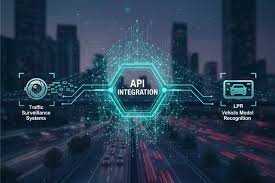
In modern cities, effective traffic management depends on real-time data, automation, and intelligent systems. One of the most transformative technologies powering this change is Automatic Number Plate Recognition (ANPR). When integrated properly, ANPR APIs can help streamline traffic monitoring, law enforcement, toll management, and parking operations. But many organizations still struggle to understand how to successfully integrate license plate recognition software into their existing infrastructure.
This guide walks you through a detailed, human-centered explanation of how to integrate ANPR APIs with your traffic management system, along with the practical benefits and considerations at each stage.
What is ANPR and Why Is It Important for Modern Traffic Systems?
Automatic Number Plate Recognition (ANPR), sometimes called number plate recognition (NPR) is a computer vision-based technology that reads vehicle license plates using AI-powered cameras. These cameras capture plate images and use optical character recognition (OCR) algorithms to convert them into digital data.
This data can then be used for multiple applications such as toll collection, parking automation, red-light violation detection, and vehicle tracking in real-time. For city authorities and transportation agencies, ANPR integration means improved efficiency, better safety, and reduced human error.
Why Integrate ANPR APIs Instead of Standalone Systems?
While standalone ANPR systems work well in specific use cases, integrating them into a broader traffic management system ensures data centralization and automated workflows. APIs (Application Programming Interfaces) make this integration seamless by acting as a bridge between the license plate recognition software and your central traffic management platform.
Through API integration, you can:
- Access real-time vehicle data from multiple cameras in one interface.
- Automate event-based actions like issuing fines or opening gates.
- Sync license plate information with law enforcement or toll databases.
- Generate analytics and reports to study traffic patterns.
The result is a smarter, connected ecosystem that responds dynamically to traffic conditions and policy enforcement needs.
Step 1: Assess Your Existing Infrastructure
Before integrating any ANPR API, evaluate your current system. This includes checking your camera network, data storage setup, and backend software capabilities. Ensure your cameras have sufficient resolution and are compatible with number plate recognition requirements like image clarity under varying light and weather conditions.
You’ll also need to confirm whether your backend platform supports RESTful APIs, as most ANPR services provide API endpoints for easy communication between systems.
Step 2: Choose a Reliable ANPR API Provider
Choosing the right provider is crucial. Look for solutions that offer high accuracy, speed, and adaptability to your region’s license plate formats. Some advanced APIs also include AI enhancements for vehicle type, color, or make detection.
Reliability is key—your provider should guarantee uptime, strong data encryption, and support for cloud or on-premises deployment. Opt for a vendor with clear documentation and active technical support to simplify your development process.
Step 3: Obtain API Credentials and Set Up Authentication
Once you’ve selected your provider, the next step is obtaining API credentials such as an API key or access token. These credentials authenticate requests between your license plate recognition software and your traffic management system.
Most APIs use secure HTTPS protocols to ensure data safety during transmission. Integrate authentication at the application level to prevent unauthorized access. If your system handles sensitive data, it’s best to include encryption and multi-factor authentication for added security.
Step 4: Connect the ANPR API to Your System
Now comes the integration phase. Using the API documentation provided, connect your traffic management software with the ANPR API endpoints. The integration usually involves:
- Sending vehicle image or video frames to the ANPR API.
- Receiving recognition results in JSON format (typically including the plate number, timestamp, and confidence score).
- Storing or processing that data in your central database.
You can automate workflows such as flagging suspicious vehicles, controlling traffic lights, or recording violations based on these API responses. The data can also be combined with GPS, weather, and sensor data for richer analytics.
Step 5: Test and Calibrate the System
Testing ensures that the integration works as expected. Run tests across various conditions—nighttime, rain, high-speed vehicles—to confirm the recognition accuracy of your number plate recognition system.
Adjust parameters like image resolution, frame rate, and camera angle for optimal performance. Some systems even offer machine learning-based calibration, which continuously improves accuracy as more data is collected.
Step 6: Enable Data Storage and Analytics
After successful integration, enable proper data storage for the recognized plates and associated metadata. Cloud-based solutions are scalable and often include built-in compliance and backup features.
Integrating analytics tools allows you to monitor vehicle trends, detect anomalies, and generate reports for planning or enforcement. For example, you can study peak traffic hours, detect frequent violators, or analyze toll payment behavior.
This analytical layer is what transforms ANPR from a simple recognition tool into a full-fledged traffic intelligence system.
Step 7: Ensure Compliance and Data Security
Since ANPR involves vehicle and personal data, privacy compliance is a must. Follow regulations such as GDPR or local data protection laws depending on your region. Ensure data retention policies are clearly defined and anonymize records where appropriate.
Encrypt stored data, limit user access based on roles, and maintain secure logs for every API transaction. Many API providers already implement compliance-ready frameworks to help clients stay secure.
Common Challenges During Integration
Even with a well-planned setup, challenges may arise. These can include:
- Inconsistent lighting or weather affecting recognition accuracy.
- Network latency during real-time data transfer.
- Compatibility issues with legacy systems.
- Data synchronization errors.
To overcome these, work closely with your API provider’s technical team, and consider pilot testing before full deployment. Using edge-based ANPR processing (where data is analyzed directly on the camera device) can also help reduce latency and bandwidth consumption.
Future of ANPR in Intelligent Traffic Management
With advancements in AI and IoT, ANPR technology is evolving rapidly. Modern license plate recognition software now uses deep learning to achieve near-human accuracy and can even recognize damaged or dirty plates.
In the near future, integration with smart city ecosystems will enable real-time traffic optimization, dynamic tolling, and predictive maintenance. Cloud-based ANPR solutions combined with 5G networks will provide instant data access across large-scale networks, transforming how cities manage mobility.
FAQs
1. What is the difference between ANPR and regular CCTV cameras?
CCTV cameras record general video footage, while ANPR cameras are designed specifically to capture and read license plate information using AI-based OCR algorithms.
2. How accurate is modern license plate recognition software?
Modern ANPR systems achieve over 95% accuracy under optimal conditions. AI-based models continuously improve with more data, maintaining accuracy even in low light or complex environments.
3. Can ANPR APIs work with any camera?
Most APIs can process images from any IP camera, provided the image resolution and angle are suitable for clear plate visibility. Some solutions also offer SDKs to fine-tune compatibility with specific camera brands.
4. Is ANPR integration expensive?
Integration costs depend on the scale, number of cameras, and API provider. Many providers offer flexible subscription models, allowing you to scale affordably without major upfront investments.
5. How can ANPR improve law enforcement?
ANPR helps identify stolen vehicles, enforce traffic violations automatically, and monitor restricted zones. Real-time alerts enable faster response and improved road safety outcomes.
Read Also: appalachian trail forever stamps usps