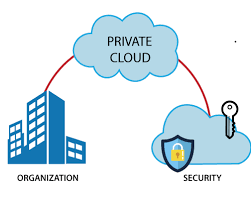
While public cloud platforms (like AWS, Azure, GCP) offer flexibility, shared infrastructure can lead to performance bottlenecks, security concerns, and limited customization. Private cloud hosting provides dedicated resources, enhanced privacy, and full control—making it ideal for businesses with strict performance, security, or compliance needs.
What Is Private Cloud?
A private cloud environment dedicates hardware and virtual resources to a single organization. Compared to multi-tenant public clouds, private clouds offer:
- Guaranteed compute, storage, and network resources
- Tailored networking and security policies
- Customizable compliance configurations
- Predictable pricing structures
This model is especially ideal for businesses with consistently demanding workloads.
Key Benefits
- Performance Consistency: No noisy neighbors—your applications experience stable, allocated resources.
- Security & Compliance: Advanced tools like custom firewalls, encryption at rest/in transit, and access controls help meet HIPAA, PCI, GDPR, or other regulatory requirements.
- Customization: You control the OS, stack (Linux, Windows, Kubernetes), and integration with on-prem systems.
- Scalability on Your Terms: Ramp up CPU/RAM or storage as needed without migrating away from your existing setup.
- Cost Predictability: Flat-rate server billing avoids variable fees tied to public cloud usage spikes.
Who Should Consider Private Cloud?
- Healthcare practices holding PHI
- Financial firms bound by data regulations
- E‑commerce platforms requiring fast, dependable checkout experiences
- SaaS providers needing performance SLAs
- Hybrid IT setups, combining in-house servers with cloud infrastructure
Deployment & Management Strategy
A successful private cloud rollout typically follows:
- Assessment: Analyze your current systems, workload types, performance requirements, and compliance rules.
- Design: Architect a custom environment—choosing virtualization, storage, networking, security, and backup protocols.
- Deployment: Provision servers, configure networks/security, and migrate applications/data.
- Ongoing Operations: Monitor performance, patch and update systems, and handle backups/disaster recovery.
- Scalability Planning: Ensure flexibility to expand resources without disruptions.
Final Thoughts
Private cloud hosting offers a powerful alternative to shared public cloud environments. With dedicated hardware, fine-tuned security, and customization freedom, it’s well-suited for businesses needing performance consistency, regulatory compliance, and transparent cost structures. By following a thoughtful deployment approach—from assessment through scaling—you can build an environment that’s resilient, secure, and backed by full operational control.