
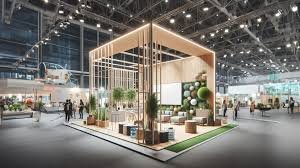
In today’s increasingly eco-conscious world, the exhibition industry is undergoing a significant transformation. The role of an exhibition stand builder is no longer just about creating visually striking structures — it’s about building smarter, greener, and more sustainable environments. Exhibition stand contractors are now pioneering methods that reduce waste, use recyclable materials, and promote reusability, all while ensuring that brands continue to shine at trade shows. This shift marks a new era in exhibition stand building, where aesthetics and responsibility go hand in hand.
Why Sustainability Matters in Exhibition Stand Design
Trade shows have long been known for their high-impact displays — and unfortunately, their high environmental footprint. From disposable stands to excessive packaging and energy use, the traditional model often resulted in massive waste after each event. With global attention turning toward sustainability and corporate social responsibility (CSR), both clients and contractors have been forced to rethink their approach.
Today, companies want their presence at trade shows to reflect their values. Brands that invest in sustainable exhibition stands are not only reducing their carbon footprint but also gaining a reputational boost among environmentally conscious consumers and partners. This has pushed exhibition stand contractors to develop more environmentally responsible solutions without compromising on creativity or impact.
Eco-Friendly Materials and Modular Design
A key approach to sustainable stand building involves the use of recyclable and biodegradable materials. Wood from responsibly managed forests, recycled aluminum frames, low-VOC paints, and natural textiles are just a few examples of materials that are replacing their less sustainable counterparts.
Modular design has also gained momentum. These systems are built with reusability in mind — components can be reconfigured, resized, and rebranded for multiple events. This not only minimizes waste but also reduces long-term costs for businesses. With smart engineering, modular stands maintain a premium look and feel, debunking the myth that sustainability compromises design.
Energy Efficiency and Digital Innovation
Lighting plays a significant role in the energy consumption of exhibition spaces. Contractors are increasingly turning to LED lighting and smart energy systems to reduce power usage. In addition, innovations like integrated solar panels, energy-efficient screens, and motion sensor lighting are being explored for larger installations.
Digital elements such as virtual product displays, touchscreens, and interactive media also help reduce the need for printed materials and excessive product samples. This shift not only saves trees but also creates engaging, immersive experiences for visitors.
Collaboration Between Builders and Brands
Sustainable stand construction works best when there is clear alignment between the brand’s values and the builder’s expertise. Exhibition stand builders now often act as consultants, advising clients on environmentally responsible design choices and helping them meet their CSR targets.
The collaboration extends to logistics as well. Transporting materials in bulk, choosing local suppliers, and designing flat-pack elements to reduce shipping volume are all part of the conversation. These practices significantly reduce the carbon footprint associated with attending multiple trade shows.
The Business Case for Sustainability
Aside from the environmental benefits, sustainable exhibition stands make business sense. Brands save money over time by reusing components and reducing shipping costs. Many venues are now offering incentives for eco-friendly exhibits, including discounted fees or premium booth placements.
Moreover, consumers and B2B partners increasingly expect sustainability to be a core part of a company’s identity. A stand that reflects these values sends a strong, consistent message and fosters trust and loyalty among stakeholders.
Conclusion: Building for the Future
The future of exhibition stand building is undeniably green. As exhibition stand contractors continue to innovate and adapt, they are proving that sustainability and stunning design are not mutually exclusive. With thoughtful planning, eco-friendly materials, and reusable structures, the industry is moving toward a model that benefits both businesses and the planet.
Whether you’re an exhibitor looking to make an impact or a builder committed to innovation, embracing sustainable practices is no longer optional — it’s essential. And in this new era of trade shows, those who lead with responsibility will also lead in results.


