Accelerating Your Path to Meeting CMMC Level 2 Requirements—What’s the Real Timeline?
Deadlines sneak up faster than anyone likes to admit—especially in high-stakes industries where compliance is tied directly to contract eligibility. For organizations aiming to work with the Department of Defense, reaching CMMC Level 2 isn’t optional—it’s a business imperative. The real challenge? Understanding how long it actually takes and what factors either speed it up or stall progress.
Expect a 12- to 18-Month Journey Toward CMMC Level 2 Compliance
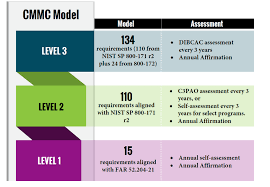
CMMC Level 2 is not something you check off overnight. It’s a structured process that unfolds over the course of 12 to 18 months for most organizations. That timeframe accounts for everything from internal readiness reviews to formal third-party CMMC assessments. Unlike CMMC Level 1 requirements, which are more foundational, Level 2 dives into the protection of Controlled Unclassified Information (CUI), demanding technical maturity and consistent processes.
Every business moves at a different pace depending on its starting point. Companies with no previous cybersecurity framework often need the full 18 months—or more—just to lay the groundwork. Those with partial controls already in place may progress faster. Regardless, skipping steps or rushing documentation only leads to delays later during the official CMMC assessment. Planning ahead is what separates rushed fixes from streamlined success.
Early Action Prevents Lost Opportunities with DoD Contracts
The biggest risk of delay? Missing out on defense contracts. Once the CMMC requirements are baked into Department of Defense acquisitions, organizations without a valid certification will be excluded from bidding. By the time a request for proposal drops, it’s already too late to start preparing. And that’s not just a theoretical problem—it’s a competitive one that cuts directly into potential revenue.
Starting early doesn’t just mean avoiding stress. It keeps the door open for new business. Companies that meet CMMC Level 2 requirements ahead of schedule are ready to respond when contracts land. That responsiveness sends a message to prime contractors and procurement officers alike: this is a business that’s serious about compliance. An early start translates into long-term credibility.
Timely Gap Assessments Can Dramatically Cut Compliance Delays
Many businesses underestimate the value of a thorough gap assessment. This isn’t just a checklist—it’s a reality check. A well-executed gap analysis measures where your current cybersecurity posture stands compared to the CMMC Level 2 requirements. Done early, it shines a light on blind spots before they become roadblocks during a formal CMMC assessment.
The timing of this assessment matters. Conducting it six months into your timeline instead of at the start can double the work. Knowing what’s missing from the outset allows teams to build toward compliance in a focused, strategic way. Without that insight, organizations often waste time on fixes that don’t align with CMMC compliance requirements. The earlier a gap assessment is completed, the smoother the entire journey becomes.
Why Document Prep Often Dictates Your Compliance Timeline
Policies, procedures, and plans—on paper, they might sound dull, but they form the backbone of any successful CMMC Level 2 journey. Documentation isn’t just about having written policies. It’s about proving that your business follows them consistently and that those documents match what’s happening in real-world operations.
For many companies, the bulk of the timeline isn’t technical—it’s administrative. Gathering existing documentation, identifying missing policies, and drafting compliant materials takes time. Then comes training staff to follow the new procedures, creating audit trails, and making adjustments as needed. Without solid documentation, a company can’t pass the CMMC assessment, no matter how strong its technical defenses are. That’s why many organizations discover that the paperwork—not the software—controls their timeline.
Avoid Last-Minute Pitfalls by Starting Compliance Efforts Early
Waiting until contract deadlines loom rarely ends well. One of the most common mistakes organizations make is treating CMMC like a final hurdle instead of a process. That approach often leads to rushed assessments, incomplete controls, and high-stress audits that uncover gaps too late to fix.
Starting early gives your team time to test processes, fix missteps, and build confidence before the real audit begins. You’ll also have time to train staff properly—an often-overlooked part of the CMMC compliance requirements. The earlier a business embeds compliance into daily routines, the less disruptive the assessment will be when it finally arrives. Early preparation isn’t about extra work—it’s about working smart to avoid bigger problems later.
How Company Size Impacts Your CMMC Level 2 Readiness Schedule
A company’s size directly influences the timeline for reaching CMMC Level 2. Smaller teams can sometimes move faster, especially if decision-making is centralized and IT systems are straightforward. But even small businesses must meet the same rigorous CMMC requirements as larger ones. Simpler doesn’t always mean easier—just different challenges to solve.
Larger companies, on the other hand, often face longer timelines due to the sheer number of endpoints, departments, and people involved. Coordinating across multiple teams or locations takes time. Policy alignment, system updates, and user training become more complex. That’s why the readiness schedule should always consider company size—along with the scope of systems handling CUI. It’s not about one-size-fits-all timelines; it’s about scaling the approach to match your organization.
Strategic Preparation Now Protects Future Defense Contract Eligibility
Getting ahead of the curve on CMMC Level 2 isn’t just about passing an audit—it’s about protecting access to future opportunities. The Department of Defense is phasing CMMC requirements into more contracts over time. Companies that lag behind risk missing out on bids, partnerships, and prime contractor networks that expect security readiness.
Strategic preparation means setting internal deadlines that beat official ones. It means involving leadership, IT, HR, and operations from the start so that everyone moves together. Organizations that treat compliance like a permanent business function—not just a project—build a stronger foundation for growth. Meeting the CMMC assessment requirements now ensures you’re not scrambling to catch up later when it counts the most.