
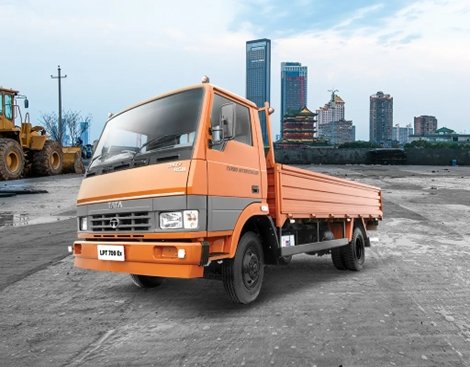
Maintaining the tyres of your commercial vehicle, whether a light truck or a bus, is crucial for maintaining the vehicle’s safety, optimal performance, and longevity. Tyres are the only point of contact between your car and the road, impacting your vehicle’s overall fuel efficiency, manoeuvrability, and longevity.
Regular inspections: Routine inspections of your light truck tyres are essential for detecting any problems that could lead to severe wear and tear to the vehicle’s performance.
- Tread depth: The tread is essential for grip and water displacement. You could check the depth of the tread with a simple coin test. Insert a coin inside the tread. If you can see most of the coin, it is time to change your tyres.
- Uneven wear: Look for any indicators of uneven wear on the tyres, which indicates alignment issues or improper inflation. Inconsistent wear patterns would detrimentally affect the vehicle’s manoeuvrability, affecting the overall driving experience.
- Cracks and bulges: Check your tyres for cracks, unusual bulges, or items lodged in the tread. Foreign objects lodged in the tyre structure could lead to dangerous blowouts.
Proper inflation: Maintaining the appropriate tyre pressure is extremely important for care. Over-inflated or under-inflated tyres leads to reduced traction, increased damage to tyres, and decreased fuel efficiency. Check your tyres’ air pressure with a reliable gauge once a month or before long road trips. Cross-check the manual for details or manufacturers’ instructions to ensure optimum care for your specific vehicle model.
Maintaining tyre pressure ensures vehicle safety and reduces overall fuel consumption, which is crucial for vehicles that operate on higher mileage.
Tyre rotation: To ensure even wear, it is best that the vehicle’s tyres are rotated every 8,000 km or so or as specified by the manufacturer. This practice ensures the longevity and lifespan of your tyres, as it maintains even wear across all tyres.
Wheel alignment: Misalignment causes uneven wear in the tyres and detrimentally impact the handling capacity. If you notice the vehicle pulling to one side or if the steering wheel seems off-centre, it is time for an alignment check. These checks ensure that tyres operate at their maximum potential.
Maintain cleanliness: Maintaining tyre hygiene is important not only for aesthetic appeal but also for optimal tyre health.
- Regular cleaning: Remove dirt, oil, and grime that accumulates in the tyres and between the crevices. Use mild soap and water to clean the tyres.
- Avoid harsh chemicals: When cleaning the tyre, avoid using harsh chemicals that degrades rubber over time. Go for products aimed at tyre care.
A clean tyre maintains the integrity of the rubber used, thus enhancing the safety and efficiency of the tyres.
Understand load limits: Commercial vehicles like TATA bus and trucks, etc., carry heavy cargo loads, so you should gauge the specific load limits for your vehicle model and its tyres.
- Check manufacturer specifications: Every tyre has a specified load index, which is the maximum weight or load that the vehicle can comfortably carry. Confirm this with the manufacturer’s manual and ensure that your cargo shipments do not exceed this limit.
- Avoid overloading: Overloading the vehicle causes heat generation and put undue pressure on the tyres, which detrimentally affect its safety and longevity.
By adhering to the load limits for your specific tyre, you can prevent premature damage to the tyre and prevent them from compromising safety.
Preparation for seasonal changes: Seasonal changes affect tyre performance. Adapt your tyres to maintain safety during these changes and maintain consistent performance all year round. If you operate in areas with severe seasonal changes, consider investing in seasonal tyres. Summer tyres provide better handling and braking in warm weather, while winter tyres perform well on ice and snow.
Being proactive about seasonal changes helps you maintain optimal tyre performance in varying conditions.
Professional maintenance: While you can perform many tyre care tasks independently, it is recommended you have your tyres checked by a professional mechanic once every few months.
- Expert inspections: Professional mechanics can offer deeper insights into your tyre’s health that may not be immediately visible to an amateur’s eye and maybe overlooked. It is about the tyre’s structure or wear indicators that signals a replacement or maintenance.
- Tyre replacement: When it is time to replace tyres, ensure you select quality products suitable for your specific vehicle requirements. TATA Motors, for example, offers comprehensive specifications that helps you choose the best tyres for bus TATA.
Conclusion
Investing time and resources into tyre care is crucial for any business operating commercial vehicles. By following these guidelines, you can ensure that your commercial vehicles remain in top condition, benefiting your company and its operations for years to come.


