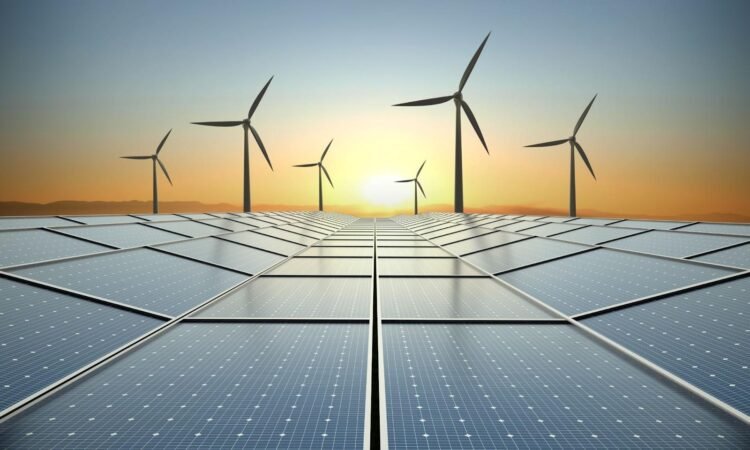
As the world shifts towards sustainable energy solutions, Glass Reinforced Plastic (GRP) is playing a critical role in the construction of wind farms, solar power plants, and hydroelectric facilities. With its durability, lightweight design, and resistance to extreme weather, GRP is helping to future-proof renewable energy infrastructure, ensuring that these projects are both efficient and long-lasting.
Weather Resistance for Harsh Environments
Renewable energy projects are often located in challenging environments, such as offshore wind farms, desert solar plants, and remote hydroelectric stations. These locations expose infrastructure to harsh conditions, including UV exposure, corrosion, and moisture. GRP’s inherent resistance to these elements ensures a long lifespan with minimal maintenance, making it an ideal material for renewable energy applications. Whether it’s the salty air of offshore wind farms or the intense heat of desert solar plants, GRP stands up to the challenge, ensuring that renewable energy infrastructure remains operational and efficient.
Lightweight and Easy to Install
Transporting and installing heavy materials in remote energy sites can be expensive and time-consuming. GRP is significantly lighter than traditional materials like steel and concrete, making it easier to transport and install in both offshore and onshore energy facilities. This lightweight nature not only reduces transportation costs but also allows for quicker installation, minimizing downtime and accelerating the deployment of renewable energy projects. Additionally, the ease of handling GRP components reduces the need for heavy machinery, further lowering installation costs.
Electrical Insulation for Safety
Renewable energy projects often involve high-voltage environments, such as solar farms and wind turbine substations. GRP’s non-conductive properties make it an excellent choice for these applications, enhancing worker safety and reducing electrical hazards. By using GRP in cable management systems, enclosures, and support structures, renewable energy developers can ensure that their infrastructure is not only efficient but also safe for workers and the environment.
Applications of GRP in Renewable Energy
GRP is used in a variety of applications within the renewable energy sector. GRP cable management systems protect electrical wiring in solar and wind farms, ensuring that cables are organized and shielded from environmental damage. GRP handrails and platforms provide safe access for maintenance personnel, enhancing worker safety in challenging environments. Additionally, GRP turbine enclosures shield sensitive wind turbine components from harsh conditions, ensuring that these critical components remain operational and efficient.
A Sustainable Future with GRP
By integrating GRP into renewable energy infrastructure, developers can achieve more efficient, cost-effective, and long-lasting solutions that support the transition to clean energy. GRP’s durability, lightweight design, and resistance to extreme weather make it an ideal material for renewable energy projects, ensuring that these projects are not only sustainable but also future-proofed against the challenges of tomorrow.
To explore GRP applications for renewable energy, visit Engineered Composites’ website or consult with their experts today.